




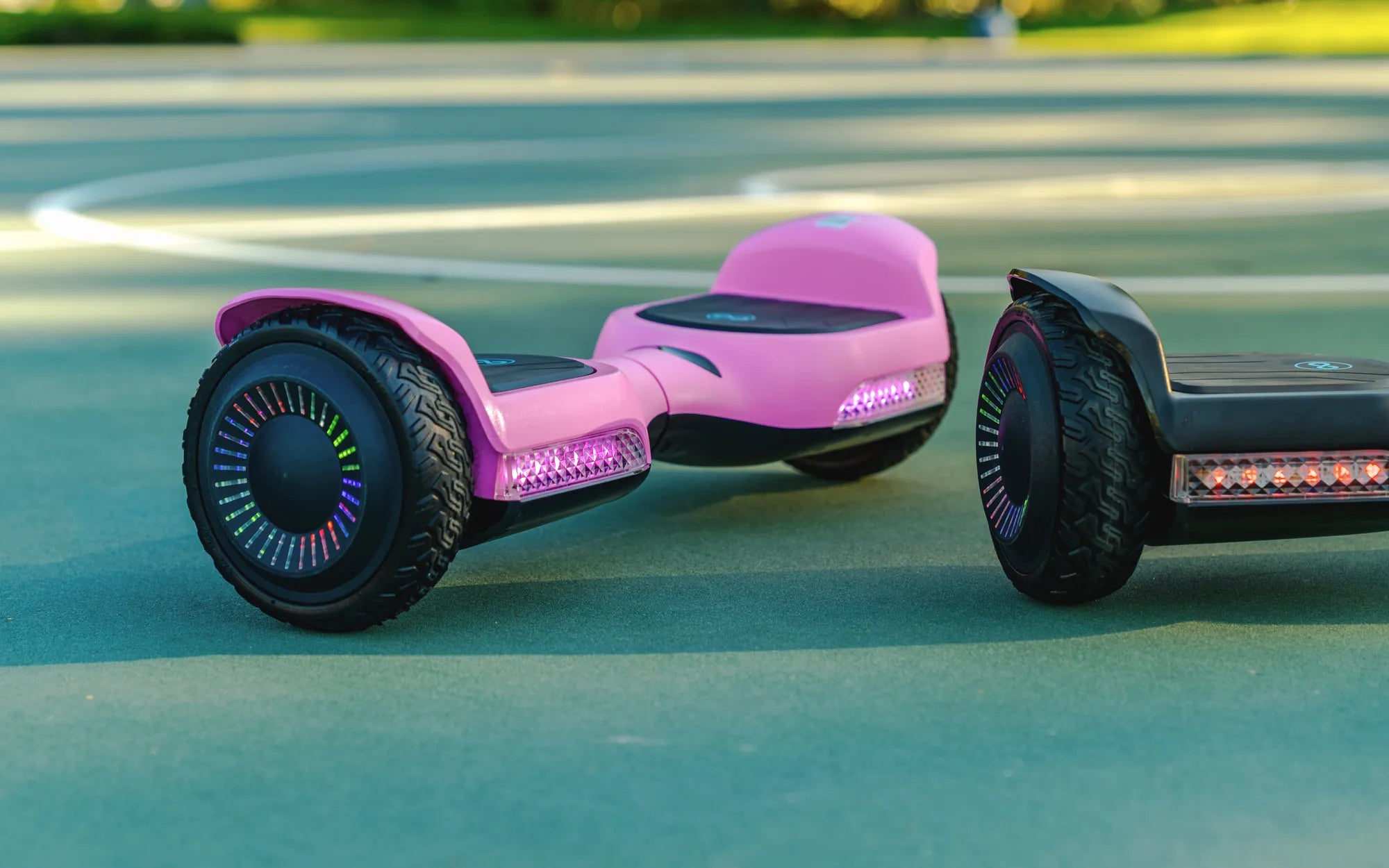
Introduction: Redefining Personal Thrill Rides
The hoverboard go kart combo represents a fundamental evolution in personal electric mobility. It transcends the limitations of a standalone hoverboard by integrating it into a stable, seated chassis, creating a hybrid machine that delivers a novel and exhilarating riding experience. This guide will dissect the engineering, benefits, and practical considerations of this innovative product, empowering you to make an informed decision. You will learn how these combos work, their key advantages over traditional hoverboards, essential safety and buying factors, and why choosing a system from a trusted manufacturer is paramount for long-term enjoyment and reliability.
By docking a hoverboard into a purpose-built frame, riders unlock a new dimension of control and comfort. The transformation is not merely cosmetic; it fundamentally alters the physics of riding, shifting from a balancing act to a more intuitive, go-kart-like drive. This modular approach maximizes the utility of your initial hoverboard investment. Leading electric mobility brands like Gyroor have entered this category, applying their expertise in stable, powerful electric scooters and e-bikes to create combos engineered for performance and durability, trusted by over 100,000 riders globally.
What is a Hoverboard Go Kart Combo? Anatomy of a Hybrid Machine
A hoverboard go kart combo is a two-part system consisting of a detachable go-kart frame and a standard self-balancing hoverboard. The hoverboard acts as the powertrain and brain of the vehicle, providing the motor, battery, and gyroscopic sensors. The kart frame is a passive chassis that provides a seat, steering wheel, footrests, and a set of additional wheels. When combined, the hoverboard's footpads are used for acceleration and braking via the steering column linkage, while the kart's extra wheels provide a stable, three or four-point contact with the ground.
The core innovation lies in the docking mechanism. High-quality combos use a tool-free, clamp-based system that securely fastens the hoverboard to the frame. This connection must be robust to handle steering forces and vibrations. Once attached, the rider controls the vehicle by turning the steering wheel, which mechanically tilts the hoverboard's footpads left or right, instructing it to turn. Pushing the steering wheel forward engages acceleration, while pulling it back activates braking, translating the hoverboard's intuitive lean-to-steer logic into a seated, hand-controlled format.
Key Components and How They Work Together
The synergy between components is critical for a safe and responsive ride. The steering column is the primary interface, connected via rods or cables to pads that press on the hoverboard's foot sensors. The seat and chassis redistribute the rider's weight lower and more centrally, dramatically increasing stability. The auxiliary wheels on the kart frame are typically larger than the hoverboard's wheels (e.g., 8-inch pneumatic tires), allowing for better obstacle clearance and a smoother ride over minor pavement imperfections.
The hoverboard remains the performance heart. Its battery capacity (measured in Watt-hours or Ah) determines range, while its motor power (watts per motor) influences torque and hill-climbing ability. In a combo setup, the added weight of the frame and rider means range can decrease by 10-20% compared to using the hoverboard alone, and top speed is often governed for safety. A well-designed combo, like those from Gyroor, ensures the frame is lightweight yet strong, using aluminum alloy or reinforced steel to minimize this performance penalty while maintaining a high weight capacity, often up to 220 lbs or more.
Why Choose a Combo? Benefits Over a Standalone Hoverboard
The primary advantage is a radical improvement in stability and accessibility. Learning to ride a traditional hoverboard requires core strength, balance, and confidence. The combo eliminates this learning curve, making the thrill of electric mobility instantly available to a much wider audience, including younger teens, adults, and those less comfortable with balancing. This stability also translates to safety, as the lower center of gravity and wider wheelbase make tipping over significantly less likely during normal operation.
Secondly, it enables longer, more comfortable adventures. Standing on a hoverboard can lead to leg fatigue, limiting ride duration. The seated position of a combo allows for extended cruising around neighborhoods, parks, or large driveways without physical strain. Furthermore, the perceived experience is different; being seated lower to the ground enhances the sensation of speed, making a 10 mph ride feel far more thrilling. It effectively gives you two distinct vehicles in one: a nimble hoverboard for tricks and indoor use, and a stable go-kart for outdoor exploration and fun.
The Gyroor Advantage: Built for Performance and Peace of Mind
Not all combos are created equal. The quality of the hoverboard is the most critical safety factor. Gyroor combos are built around hoverboards equipped with UL 2272 certified lithium-ion battery packs, which have undergone rigorous testing for electrical, mechanical, and environmental safety—a non-negotiable standard that mitigates fire risk. The electrical systems also feature an IPX5 water-resistant rating on critical components, providing protection against low-pressure water jets, so morning dew or a damp driveway won't cause a malfunction.
Beyond the hoverboard, the kart frame itself is engineered for durability. Gyroor utilizes reinforced connection points, reliable steering linkage, and robust clamp mechanisms to ensure a secure attachment every time. This engineering is backed by a comprehensive 1-year warranty covering both the hoverboard and the frame, supported by a US-based customer service team. This commitment to certified safety and reliable support provides peace of mind that the fun is built on a foundation of quality, distinguishing it from uncertified, generic alternatives.
Top Considerations Before You Buy: A Practical Guide
Compatibility is the first and most crucial checkpoint. Most go-kart frames are designed for standard hoverboards with 6.5-inch or 8-inch wheels. However, the shape of the hoverboard's body, the placement of its footpads, and the location of its charging port can affect fit. Always verify the manufacturer's specific compatibility list. Using an incompatible hoverboard can lead to poor control, connection failure, or damage to the board. For optimal performance and guaranteed fit, using a hoverboard and frame from the same brand, such as a dedicated Gyroor combo kit, is highly recommended.
You must also consider weight capacity and intended use. Check the maximum rider weight for both the hoverboard and the kart frame individually; the system's limit is the lower of the two. Most quality combos support riders from 44 lbs up to 220-265 lbs. Consider where you'll ride: smooth pavement and driveways are ideal. While larger tires help, these are not designed for true off-road terrain. Finally, assess storage space. Many frames are foldable or can be partially disassembled, but they will still require more room than a hoverboard alone.
Safety First: Gear and Best Practices
Safety gear is non-negotiable, regardless of the increased stability. An ASTM or CPSC-certified helmet is mandatory. Elbow and knee pads are strongly advised, especially for new riders. Begin practice in a safe, open, private area like an empty parking lot or a smooth driveway to familiarize yourself with the steering sensitivity, braking distance, and turning radius, which will feel different from a standalone hoverboard.
Conduct a pre-ride check every time. Ensure the hoverboard is securely locked into the frame with all clamps fastened. Check the tire pressure on the kart's pneumatic wheels. Verify that the hoverboard is fully charged. Always obey local regulations regarding where these vehicles can be used; they are typically not legal on public roads. Understanding these dynamics and respecting the machine's limits are key to a safe, enjoyable experience for years to come.
Hoverboard Go Kart Combos in Action: Ideal Use Cases and Scenarios
These combos excel as a centerpiece for family fun in controlled environments. They are perfect for cruising in cul-de-sacs, large driveways, or on smooth pathways in parks (where local rules permit). They provide a shared activity where multiple family members, of varying ages and skill levels, can take turns enjoying the ride. For older teens and adults, the combo offers a novel and thrilling way to run quick errands within gated communities, large private properties, or college campuses, adding an element of fun to mundane tasks.
The seated go-kart format also opens up electric mobility to individuals who may find standing scooters or hoverboards physically challenging or intimidating. It serves as a fantastic gateway into personal electric vehicles. Furthermore, for the thrill-seeker who already owns a hoverboard, the combo frame is a cost-effective accessory that dramatically expands the utility and enjoyment derived from their existing device, effectively giving them a brand-new riding experience for a fraction of the cost of a separate electric go-kart.
Performance Comparison: Combo vs. Standalone Hoverboard
The following table provides a data-driven comparison of the key performance and experiential differences between using a hoverboard in a go-kart combo versus using it in its standard standalone configuration.
| Feature | Hoverboard Go Kart Combo | Standalone Hoverboard |
|---|---|---|
| Primary Riding Position | Seated, with back support | Standing, requiring balance |
| Stability | Very High (3-4 point contact) | Moderate (2 point contact) |
| Learning Curve | Very Low (Intuitive steering) | Steep (Requires practice) |
| Ideal Rider Age | Teens to Adults (44-220+ lbs) | Older Kids to Adults |
| Typical Max Speed | 7-10 mph (Governed for safety) | 8-12 mph |
| Effective Range* | 7-12 miles per charge | 8-15 miles per charge |
| Ride Comfort & Fatigue | High (Suitable for long rides) | Low to Moderate (Leg fatigue) |
| Maneuverability & Tricks | Low (Wide turning radius) | Very High (360° spins, etc.) |
| Storage Footprint | Large (Even when folded) | Very Compact |
*Range is dependent on hoverboard battery capacity, rider weight, and terrain. Combo range is reduced due to added frame weight.
Frequently Asked Questions (FAQ)
Q: Is any hoverboard compatible with a go kart frame?
A: No. Compatibility is specific. Most frames require a standard two-wheel hoverboard with 6.5" or 8" wheels, and the body shape must allow for proper clamping and steering linkage access. Always consult the frame manufacturer's official compatibility guide. For guaranteed fit and optimized performance, using a matched set from one brand, like Gyroor, is the most reliable approach.
Q: What's the typical speed and range I can expect?
A: In go-kart mode, top speed is often electronically limited to between 7 and 10 mph for enhanced safety due to the seated position. The range is determined by your hoverboard's battery but will be 1-3 miles less than its standalone rating due to the added weight of the frame. With a typical 36V 4.0Ah hoverboard, expect 7-12 miles of mixed-terrain riding per charge.
Q: Can adults use these combos?
A: Absolutely. Many models are specifically designed for teens and adults. Check the combined maximum weight limit, which for quality models like those from Gyroor often extends to 220 lbs or even 265 lbs. Ensure the specific hoverboard you use also supports that rider weight.
Q: How difficult is assembly and storage?
A> Initial assembly is usually straightforward, involving attaching the steering wheel, wheels, and sometimes the seat—often requiring only an Allen wrench provided. Storage requires more space. Look for frames with a quick-fold mechanism or ones that can be disassembled into 2-3 main pieces. Even when folded, the frame is bulkier than a hoverboard alone.
Q: Are hoverboard go kart combos safe?
A> Safety is a function of product quality and responsible use. Combos from reputable brands that use UL-certified hoverboards (like Gyroor) eliminate the primary battery hazard. The kart frame itself enhances stability, reducing fall risk. When combined with mandatory helmet use, proper protective gear, and riding in safe, appropriate environments, these combos can be a very safe form of recreational electric mobility.
Conclusion: Unleashing a New Tier of Electric Fun
The hoverboard go kart combo is more than a novelty; it's a pragmatic innovation that multiplies the fun, accessibility, and utility of personal electric transport. It solves the key challenges of hoverboards—the learning curve and physical fatigue—while injecting the pure thrill of go-karting into everyday environments. By choosing a system engineered with safety as a cornerstone, featuring UL-certified batteries, robust construction, and reliable customer support, you invest in sustained enjoyment rather than a fleeting gadget.
This ultimate fun machine for thrill-seekers successfully bridges the gap between childlike excitement and adult-grade performance. It represents a smart, modular approach to electric mobility where one core device (the hoverboard) can serve multiple thrilling purposes. For those ready to upgrade their ride experience with confidence, exploring a professionally engineered combo is the definitive next step.
Ready to transform your hoverboard or step into a complete, high-performance system? Browse the full Gyroor collection of electric scooters, e-bikes, and compatible hoverboard gear at gyroorboard.com, where certified safety meets cutting-edge fun.
Christmas Gift Ideas for Boys Age 11: Fun and Exciting Presents They’ll Love
Best Scooter for Big Kids: Top Picks for Fun and Safety