


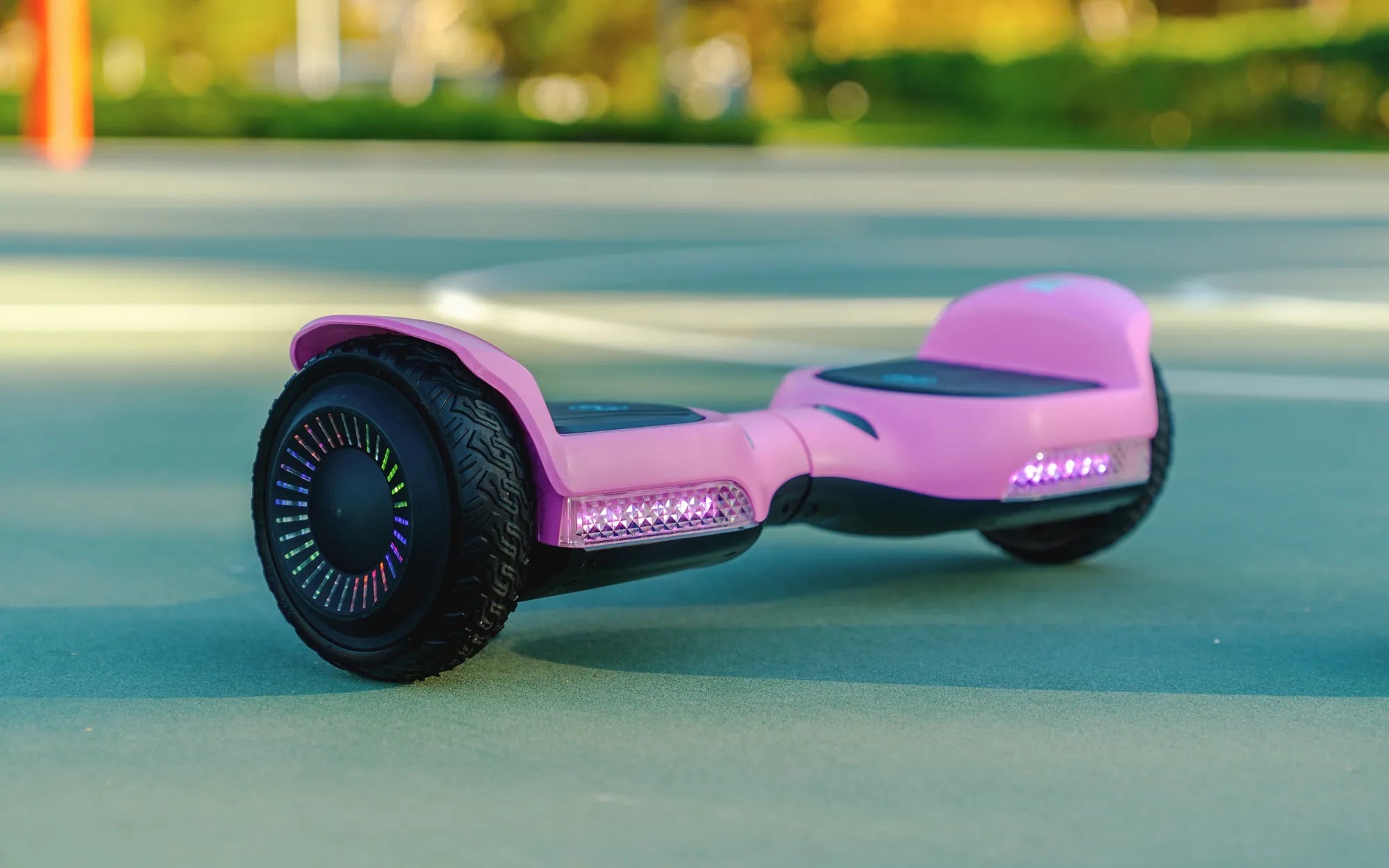
If you've shopped for a hoverboard recently, you've likely experienced sticker shock. The prices for these once-novelty items have climbed steadily, leaving many consumers wondering why. This isn't a simple case of inflation; it's the result of a perfect storm of global economic pressures, technological evolution, and a fundamental market shift toward quality and safety. Understanding the hoverboard price rising trend requires looking beyond the retail tag to the complex web of material sourcing, manufacturing, and regulation that defines the modern personal electric vehicle (PEV) industry. This article will dissect the key drivers, from lithium-ion battery bottlenecks to enhanced durability features, and explain why today's higher price often represents a smarter, safer long-term investment.
The Global Economic Engine: Macro Forces Reshaping Costs
The personal electric transport market does not exist in a vacuum. It is deeply intertwined with global commodity markets, logistics networks, and consumer electronics demand. Over the past three years, a confluence of events has created sustained upward pressure on production costs across the board.
First, raw material prices have soared. Lithium, the cornerstone of rechargeable batteries, has seen volatile but generally rising prices due to explosive demand from the electric vehicle industry. Similarly, costs for copper (used in wiring and motors), aluminum (for frames), and high-grade rubber (for tires) have all been elevated. These are not discretionary inputs; they are the essential building blocks of every hoverboard and electric scooter.
Second, global supply chain disruptions, while easing from their pandemic peak, have led to a new normal of higher operational costs. Shipping container rates, though down from historic highs, remain above pre-2020 levels. Port congestion and increased logistics complexity add time and expense to getting components from factories to assembly lines and finished products to consumers in North America and Europe.
Finally, manufacturing labor costs in key production regions have increased. Furthermore, brands committed to ethical production and safer working conditions inherently face higher overhead. These macro factors form the baseline from which all other cost increases stem, making the era of the $99 hoverboard a distant memory.
The Battery Bottleneck: Lithium-Ion Economics and Safety Imperatives
The single most significant component driving the hoverboard price rising trend is the battery pack. A hoverboard is essentially a battery, two motors, and a circuit board on wheels. The quality and safety of that battery determine not only performance but also the fundamental risk profile of the device.
Demand for lithium-ion cells has skyrocketed, stretching supply thin. Every electric car, power tool, laptop, and smartphone competes for the same basic battery chemistry. This competition has driven up cell prices and forced PEV manufacturers to secure supply through more costly, long-term contracts. The battery can represent 25-35% of a quality hoverboard's total production cost.
More critically, the market has undergone a harsh lesson in battery safety. The recalls and safety concerns of the mid-2010s were directly linked to substandard, uncertified battery packs prone to overheating and fire. In response, reputable brands now invest heavily in certified, high-quality battery systems. For instance, brands like Gyroor use UL 2272-certified battery packs that undergo rigorous testing for overcharge, short circuit, and impact.
These certified packs use higher-grade lithium-ion cells, better battery management systems (BMS), and superior construction. This investment in safety is non-negotiable and a major contributor to the increased cost. You are not just paying for more battery; you are paying for the engineering and certification that ensures it won't fail dangerously.
Building to Last: The Engineering Cost of Durability and Water Resistance
The market has matured from viewing hoverboards as disposable toys to recognizing them as legitimate short-range transport. This shift in perception demands a parallel shift in build quality. Consumers now expect devices that can handle daily commutes, uneven pavement, and occasional wet conditions.
Meeting these expectations requires more robust materials and engineering. Frames made from aircraft-grade aluminum alloy are more expensive than cheap, brittle plastics. High-torque hub motors with better heat dissipation and sealed bearings cost more to produce. These components directly impact performance, hill-climbing ability, and longevity.
A key feature illustrating this cost-value equation is water resistance. An IPX5 rating, like that found on Gyroor hoverboards and scooters, means the device can withstand low-pressure water jets from any direction. Achieving this isn't as simple as adding a rubber gasket; it requires careful design of seals for the battery compartment, charging port, and wheel hubs, as well as using corrosion-resistant connectors and components throughout.
This engineering for durability and environmental protection adds significant cost but dramatically extends the product's life and usability. It transforms the device from a fair-weather novelty into a reliable daily tool, justifying a higher price point through enhanced utility and reduced risk of water damage failure.
Regulatory Compliance and Certification: The Price of Market Access
As the personal electric vehicle industry has grown, so has regulatory scrutiny. Governments and standards bodies have implemented strict requirements to ensure consumer safety. Compliance is no longer optional for brands that wish to sell in major markets like the United States, Canada, and the European Union.
The UL 2272 standard is the most prominent example. This comprehensive safety certification tests the entire electrical system—battery, charger, and motor—for electrical and fire safety. The testing process itself is expensive, often costing tens of thousands of dollars per model. Furthermore, designing a product to pass these tests from the ground up requires more expensive components and sophisticated engineering.
Beyond product safety, regulatory costs include electromagnetic compatibility (EMC) testing to ensure the device doesn't interfere with other electronics, transportation regulations for shipping lithium batteries, and import/export certifications. For a brand like Gyroor, selling in multiple continents multiplies these compliance costs.
These are fixed costs that must be amortized across each unit sold. Smaller, fly-by-night manufacturers often skip these certifications to keep prices low, but that places the risk entirely on the consumer. The hoverboard price rising for certified products reflects the cost of ensuring they meet recognized safety benchmarks.
Price vs. Value: A Detailed Comparison of Market Tiers
To truly understand the hoverboard price rising phenomenon, we must differentiate between price and value. The cheapest option often carries hidden costs and risks. The table below compares a typical generic, low-priced model with a hoverboard from an established brand that invests in safety and quality.
| Feature / Component | Generic, Low-Cost Hoverboard (~$150-$250) | Established Brand Hoverboard (e.g., Gyroor, ~$350-$500) |
|---|---|---|
| Battery & Safety | Uncertified, generic lithium cells. Minimal or no Battery Management System (BMS). High risk of overheating, swelling, or fire. | UL 2272 Certified battery pack. Advanced BMS for overcharge, discharge, and short-circuit protection. Fire-retardant casing. |
| Build Quality & Durability | Thin plastic shell, poor weld points on the frame. Basic, low-torque motors. No official water resistance rating. | Reinforced aluminum/ABS composite frame. High-torque, brushless hub motors. Often rated IPX4 or IPX5 for water resistance. |
| Warranty & Support | 30-90 day "warranty" often requiring buyer to pay return shipping to an overseas address. Little to no customer service. | Comprehensive 1-year warranty on major components. US-based or accessible customer support for troubleshooting and parts. |
| Performance | Advertised range is often exaggerated. Speed and hill-climbing ability are poor. Performance degrades quickly. | Real-world range matches specifications (e.g., 7-12 miles). Consistent power and torque for hills. Stable performance over time. |
| Long-Term Total Cost | High risk of failure within months. No support for repairs. Effectively a disposable product, leading to repurchase. | Higher initial investment but designed to last for years. Support network enables repairs. Lower total cost of ownership. |
This comparison reveals that the higher upfront cost of a quality hoverboard is an investment in safety, reliability, and longevity. The true "cost" of a generic model includes elevated safety risks, almost certain premature failure, and the frustration of having no recourse when it breaks.
Smart Buying Strategies in a High-Price Market
Given the reality of higher prices, consumers need smarter strategies to ensure they get true value for their money. The goal is to identify the best combination of features, safety, and support within your budget.
First, prioritize verified specifications over marketing claims. Look for the UL 2272 certification mark. Check the IP rating for water resistance. Note the wattage of the motors (2x 350W is standard for good performance) and the voltage and amp-hour (Ah) rating of the battery (e.g., 36V 4.0Ah). These hard numbers are more telling than any sales copy.
Second, buy from authorized retailers or directly from the brand's official website. This is the best defense against counterfeit products, which may fake safety certifications. Purchasing from Gyroor's official site, for example, guarantees you receive a genuine product with a valid warranty.
Third, consider timing your purchase. While prices are structurally higher, brands often run promotions during holiday sales events (Black Friday, Cyber Monday), end-of-season clearances, or when launching new models. Signing up for brand newsletters can alert you to these opportunities.
Finally, expand your consideration to include other personal electric vehicles. Sometimes, the value proposition of an electric scooter or e-bike at a similar price point may be higher for your specific needs, offering greater range, speed, or utility. Brands like Gyroor offer a range of PEVs, allowing you to choose the best tool for your commute or recreation.
Frequently Asked Questions (FAQ)
Why have hoverboard prices gone up so much recently?
Prices have risen due to a combination of increased costs for raw materials (especially lithium for batteries), persistent global supply chain expenses, and the significant investment required for mandatory safety certifications (like UL 2272) and improved, durable components like water-resistant designs and better motors.
Is a more expensive hoverboard actually safer?
Generally, yes. A higher price from a reputable brand typically reflects the cost of safety engineering, including UL-certified battery packs that are rigorously tested to prevent fires, and robust construction that reduces the risk of mechanical failure. Always look for the UL 2272 certification as the primary safety indicator.
Will hoverboard prices ever go back down to where they were 5 years ago?
It is highly unlikely. The ultra-low prices of the past were often associated with uncertified, unsafe products made with the cheapest possible components. The market has consolidated around safety and quality, and the material, manufacturing, and compliance costs that define today's products are structurally higher.
What is the most important feature to look for when buying a hoverboard today?
The non-negotiable feature is UL 2272 certification. This is your assurance of electrical and fire safety. After that, prioritize build quality (look for aluminum frames, good weight capacity) and an appropriate IP water resistance rating (IPX4 or higher) if you plan to ride outdoors.
How can I tell if I'm getting good value and not just overpaying?
Compare hard specifications: battery certification (UL 2272), motor wattage, frame material, and warranty length (a full 1-year warranty is a strong sign of confidence). Read professional and user reviews focusing on long-term reliability. A brand like Gyroor, with a track record, clear specs, and strong customer support, exemplifies good value at a fair price.
The Future Outlook: Stabilization, Not Rollback
Looking ahead, consumers should expect prices to stabilize at their current elevated levels rather than dramatically decrease. While some cost pressures, like shipping, may ease, the core drivers—demand for lithium, the cost of safety compliance, and consumer expectation for durable products—are permanent features of the landscape.
Innovation may also influence price points. The development of new battery chemistries (like lithium iron phosphate, which is safer and may become cheaper) could alter cost structures. However, any savings might be reinvested into further performance or safety enhancements rather than passed on as deep price cuts.
The market will likely continue to segment. There will be an entry-level tier defined by basic, certified safety, a robust mid-tier with better performance and durability (where most reputable brands compete), and a premium tier with advanced features like app connectivity and superior suspension. The hoverboard price rising trend has effectively ended the "race to the bottom" and initiated a "race to quality."
For the informed consumer, this is ultimately positive. It means the market is maturing, prioritizing your safety and satisfaction over unsustainable low prices. Your purchasing decision is now more clearly a choice between a risky, short-lived product and a reliable, safe investment in personal mobility.
The surge in hoverboard prices is a reflection of a maturing industry grappling with real-world economics and safety responsibilities. It is driven by tangible factors: scarce lithium, rigorous certification processes, and engineering for daily durability. While the initial investment is higher, this price represents the true cost of a safe, reliable, and enjoyable personal electric vehicle. In this new era, value is measured not just in dollars but in peace of mind, longevity, and performance. By choosing a certified product from an established brand with a clear commitment to quality, you are investing in countless safe rides ahead. Ready to explore a range of UL-certified, durable personal electric vehicles designed for real-world use? Browse the full Gyroor collection at gyroorboard.com.
Christmas Gift Ideas for Girls 12-14: Creative and Thoughtful Presents
Christmas Gift for Boys Kids: Top Ideas to Delight Young Minds