


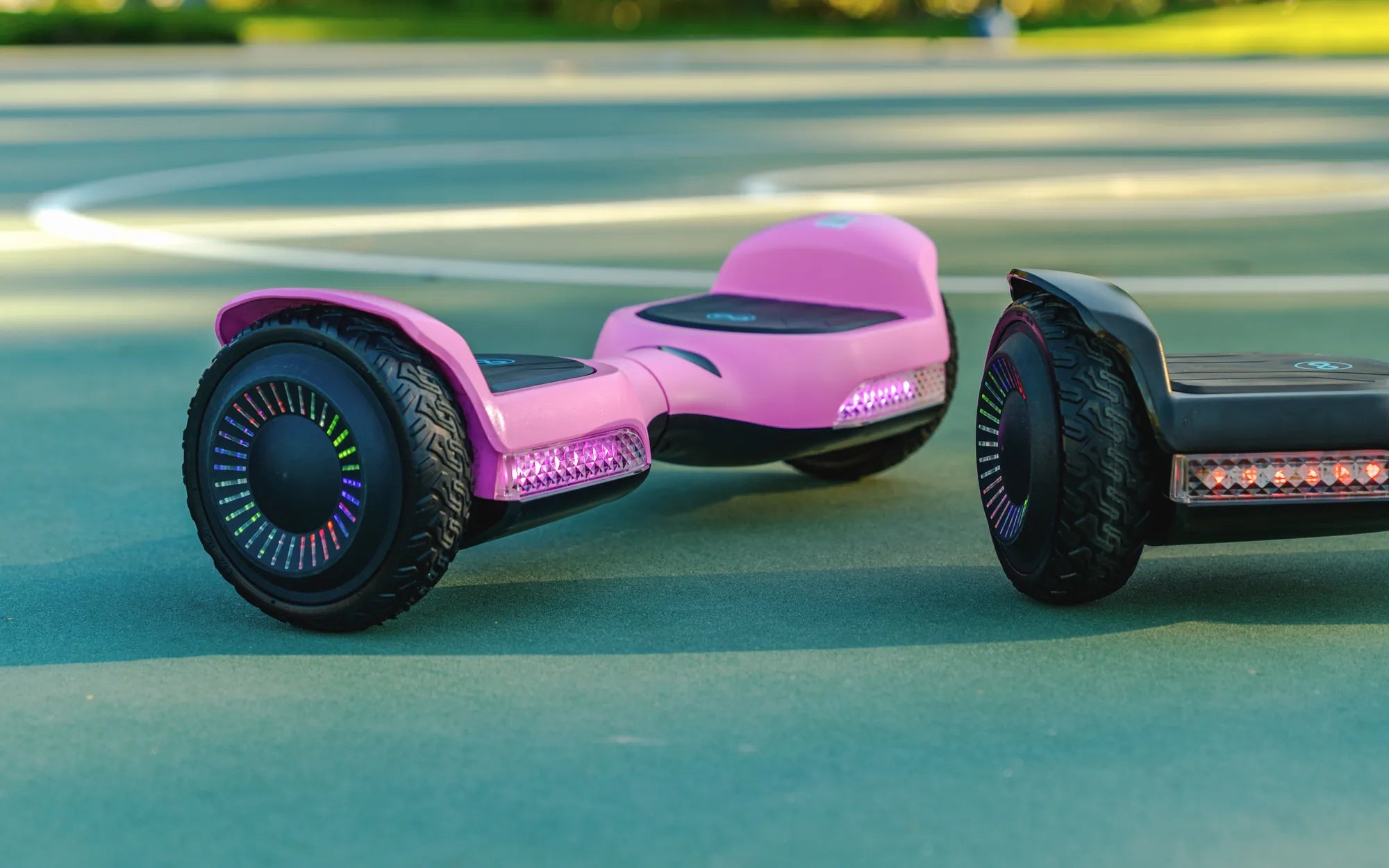
Introduction: Redefining the Hoverboard Experience
Imagine gliding through the city streets, not standing, but comfortably seated on a self-balancing, electric-powered device. This is the reality offered by a hoverboard you can sit on, a transformative leap in personal electric mobility. It represents the natural evolution of the stand-up hoverboard, directly addressing its limitations in comfort and stability for practical, daily use.
This article will provide a comprehensive guide to this emerging vehicle category. You will learn how it works, its core benefits, critical safety considerations, and how it stacks up against other personal transporters. We will also explore the specific engineering and warranty standards, like those from leading brands such as Gyroor, that make this technology a reliable choice for over 100,000 riders.
What is a Seated Hoverboard? Beyond the Stand-Up Scooter
A seated hoverboard, often called a self-balancing scooter with a seat, is an electric personal transporter. It features a platform with two wheels, a central gyroscopic stabilization system, and an integrated seat or saddle with handlebars or a control column. The rider sits and controls speed and direction by leaning forward, backward, or shifting weight side-to-side.
This design fundamentally differs from a stand-up hoverboard, which requires constant leg engagement and balance. It is also distinct from an electric scooter, which has a manual steering column and requires a kick-off to start, and from an e-bike, which involves pedaling assisted by a motor. The seated hoverboard offers a unique, hands-free steering experience powered entirely by body posture.
Key Components and How They Work
The core technology revolves around gyroscopic sensors and electric motors. Internal gyroscopes and tilt sensors detect the rider's center of gravity hundreds of times per second. When you lean forward, the sensors signal the wheel motors to accelerate proportionally to maintain balance, creating an intuitive "gliding" sensation.
The rechargeable lithium-ion battery pack powers these motors and electronics. High-quality models, like those from Gyroor, utilize UL-certified battery cells tested for over 500 charge cycles, ensuring both longevity and safety. The seated control mechanism simply translates your seated posture into precise movement commands, making operation accessible for most users after a brief learning period.
Top Benefits of Choosing a Sit-Down Hoverboard
The shift from standing to sitting unlocks significant advantages that move this device from a novelty toy to a legitimate mobility tool. These benefits cater directly to the needs of commuters, recreational riders, and those seeking a more accessible form of transport.
Enhanced Comfort and Reduced Fatigue
The primary benefit is unparalleled comfort for extended journeys. A stand-up hoverboard can cause leg and foot fatigue within 20-30 minutes. A seated model allows you to ride for the full battery duration—often 10-15 miles or more—without strain. This makes a hoverboard you can sit on a viable solution for the "last mile" of a commute or leisurely exploration of a large park or campus.
The ergonomic seated position also promotes better posture compared to the hunched stance sometimes adopted on stand-up models. This reduces lower back stress and makes the ride enjoyable for a wider age range, broadening its appeal beyond just younger users.
Superior Stability and Control
The seated position dramatically lowers the rider's center of gravity. This physics principle translates into significantly greater inherent stability, especially during low-speed maneuvers, starts, and stops. The fear of "flying off" the front or back, a common concern with stand-up versions, is greatly mitigated.
This enhanced stability shortens the learning curve and builds rider confidence quickly. It also makes the device safer for navigating crowded sidewalks or uneven pavement transitions, as the seated posture provides a more secure and controlled riding platform.
Extended Range and Practical Utility
The larger frame of a seated hoverboard often accommodates a higher-capacity battery. Coupled with the efficient, seated riding posture, this can translate to a longer practical range per charge. Furthermore, many models incorporate practical features absent from stand-up boards.
Some designs include under-seat storage compartments, luggage hooks, or phone holders. This transforms the device from a simple transporter into a practical tool for running errands, carrying a small grocery bag, or commuting with a laptop backpack, making the hoverboard you can sit on a genuinely useful urban mobility companion.
Gyroor's Approach: Safety and Reliability in Seated Mobility
In a market where performance is often prioritized over safety, Gyroor's engineering philosophy places certified safety and reliability at the forefront. For a personal transport device that carries a rider, these features are not optional extras but fundamental design requirements.
The Critical Importance of a UL-Certified Battery
The battery is the most critical safety component in any electric vehicle. Gyroor exclusively uses UL 2271 certified battery packs across its lineup, including its seated mobility options. This certification means the battery cells, wiring, and housing have undergone rigorous independent testing for electrical, mechanical, and environmental safety.
This testing specifically guards against thermal runaway—a chain reaction that can lead to overheating or fire. By insisting on this standard, Gyroor ensures that the power source for your hoverboard you can sit on meets the highest recognized benchmark for consumer safety, providing peace of mind that is essential for daily use.
Built to Last: IPX5 Water Resistance and Durability
Real-world riding encounters puddles, wet pavement, and light rain. An IPX5 water-resistance rating is a key durability feature. It certifies the device can withstand water jets (6.3mm nozzle) from any direction without harmful water ingress.
This protection extends the life of the electronics and motors by preventing corrosion from road spray. For the rider, it means you don't have to panic at the first sign of moisture, making the device a more reliable and all-weather capable form of transport, which is crucial for practical commuting.
Peace of Mind: The 1-Year Comprehensive Warranty
Backing its quality claims, Gyroor provides a robust 1-year warranty on its seated hoverboards and other personal electric vehicles. This warranty covers manufacturing defects in materials and workmanship for the frame, motor, battery, and electronic systems.
Supported by US-based customer service, this warranty demonstrates the brand's confidence in its products and commitment to supporting riders long after the purchase. It transforms the device from a disposable gadget into a durable investment in personal mobility.
Seated Hoverboard vs. Other Personal Transport Options
Choosing the right electric vehicle depends on your specific needs. The following table provides a clear, data-driven comparison to help you understand where a seated hoverboard fits in the ecosystem of personal electric transport.
| Feature | Seated Hoverboard | Stand-Up Hoverboard | Electric Scooter | Electric Bike |
|---|---|---|---|---|
| Primary Stance | Seated | Standing | Standing/Kick-off | Seated (Pedaling) |
| Steering Method | Body Lean / Handlebar | Body Lean | Manual Handlebar | Manual Handlebar |
| Typical Range | 10-15 miles | 6-10 miles | 15-25 miles | 20-50+ miles |
| Top Speed | 10-12 mph | 8-10 mph | 15-20 mph | 20-28 mph (Class 3) |
| Learning Curve | Moderate | Steeper | Easy | Easy (if you can bike) |
| Portability | Moderate (bulky) | High (compact) | High (folding) | Low (unless folding) |
| Ideal Use Case | Comfortable Commuting, Leisurely Riding | Recreation, Short Trips | Fast Commuting, Last-Mile | Long-Distance Commuting, Exercise |
Compared to Traditional (Stand-Up) Hoverboards
The seated model's most significant advantage is comfort for durations over 15 minutes. It offers superior stability due to the lower center of gravity, making it less intimidating for beginners. While the stand-up version is more portable and playful for tricks, the hoverboard you can sit on is designed for purposeful travel and extended enjoyment.
Compared to Electric Scooters
Electric scooters generally offer higher speeds and longer ranges. They also have a simpler, manual steering mechanism familiar to most. However, a seated hoverboard provides a unique, fun, and hands-free steering experience. It often feels more stable at lower speeds and doesn't require a kick-start, offering a different kind of effortless glide that many riders prefer for relaxed travel.
Compared to Electric Bikes
E-bikes are in a different class for speed, range, and road legality. They are ideal for longer commutes and provide exercise. A seated hoverboard is more compact, significantly lighter, and requires no physical effort. It serves as a more playful, compact alternative for shorter urban trips, errands, or recreational use where parking and storage are concerns, and where the unique self-balancing ride is the main attraction.
Who is a Seated Hoverboard Ideal For? Target Use Cases
The versatility of this device means it serves several distinct rider profiles. Understanding these use cases can help you determine if a hoverboard you can sit on aligns with your lifestyle.
The Urban Commuter
For individuals navigating the "last mile" from a bus stop or train station to their office, comfort and reliability are key. A seated hoverboard eliminates the sweat and fatigue of walking or standing on a crowded platform device. Its compact size allows it to be tucked under a desk, and features like water resistance ensure a consistent commute regardless of weather.
The Recreational Enthusiast
For riders on college campuses, beach boardwalks, or large parks, the seated hoverboard is a source of pure fun and exploration. It offers a novel way to cover more ground than walking without the physical demand of a bicycle. The comfortable seat encourages longer adventure rides, making it perfect for weekend explorers and families.
Riders Seeking Accessibility
This category is crucial. For individuals who find standing for prolonged periods challenging, or who may lack the core strength and balance for a stand-up model, a seated hoverboard opens up a new world of personal mobility. The stable, seated platform provides confidence and independence, making it an excellent option for a broader demographic seeking a fun and practical way to get around.
FAQ: Your Questions About Seated Hoverboards, Answered
Q: How fast do seated hoverboards go?
A: Most consumer models have a top speed between 10 and 12 miles per hour. This is governed for safety and often aligns with local regulations for sidewalk and bike path use.
Q: What's the typical range on a single charge?
A: Range varies by battery size and rider weight, but a typical range for a quality model is 10 to 15 miles per charge. Models with UL-certified, high-capacity batteries, like those from Gyroor, often achieve the higher end of this spectrum.
Q: Are they legal on sidewalks and bike lanes?
A> Laws vary by city, state, and country. Generally, devices with a top speed under 15 mph are often permitted in bike lanes and on sidewalks, but you must always check your local ordinances. They are typically not allowed on public roads.
Q: What is the weight limit for a seated hoverboard?
A> Weight capacities range, but robust models are designed to support riders up to 220-265 pounds (100-120 kg). Always check the manufacturer's specified maximum load capacity before purchasing.
Q: How long does the battery take to charge?
A> A full charge from empty typically takes 3 to 5 hours. Using the manufacturer-provided charger is essential for safety and to preserve the lifespan of the UL-certified battery pack.
Conclusion: Embracing a Smarter, More Comfortable Ride
The hoverboard you can sit on is more than an incremental upgrade; it's a redefinition of what personal electric mobility can be. By solving the core issues of comfort and stability, it transitions from a recreational gadget to a practical, daily-use vehicle for commuting, errands, and exploration. Its unique combination of intuitive self-balancing technology and ergonomic design offers a riding experience unlike any other.
The future of this category hinges on responsible engineering and consumer trust. Prioritizing certified battery safety, durable water-resistant construction, and strong warranty support—as exemplified by brands like Gyroor with their UL-certified batteries and IPX5 rating—is what separates reliable transportation from a passing trend. For anyone looking to add a layer of effortless, enjoyable mobility to their life, the seated hoverboard presents a compelling and mature choice.
Ready to experience the future of personal mobility? Browse the full Gyroor collection, including innovative seated mobility options, at gyroorboard.com.
Best Kids Electric Scooter for 9 Year Old: A Complete Buying Guide
Two Wheel Self Balancing Scooter $200: The Ultimate Budget-Friendly Commuter