



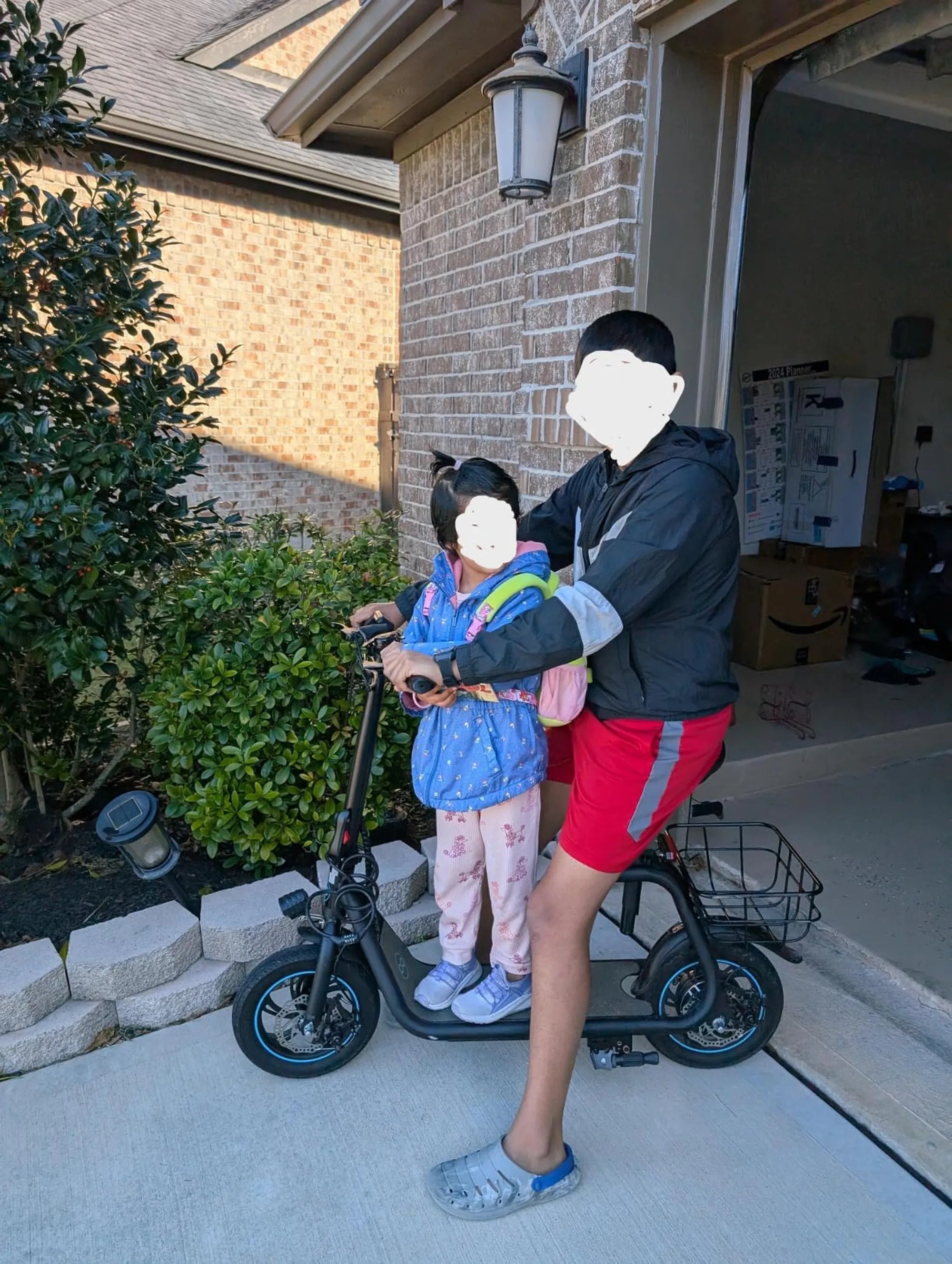
Electric scooters have taken urban transportation by storm, offering a convenient and eco-friendly alternative to cars and public transit. But as their popularity grows, so does the question: how are you willing to pay for electric scooters? Whether you're a daily commuter or a weekend rider, understanding the cost dynamics can help you make an informed decision.
The Price Spectrum of Electric Scooters
Electric scooters come in a wide range of prices, from budget-friendly models under $300 to high-end options exceeding $1,500. The cost often reflects factors like battery life, motor power, build quality, and additional features such as app connectivity or suspension systems.
Budget Scooters: Under $500
For those dipping their toes into the e-scooter world, budget options provide an affordable entry point. These scooters typically offer shorter ranges (10-15 miles) and lower top speeds (15-20 mph). While they may lack premium features, they’re ideal for short commutes or occasional use.
Mid-Range Scooters: $500-$1,000
Mid-range models strike a balance between performance and affordability. With ranges of 20-30 miles and speeds up to 25 mph, they cater to daily commuters who need reliability without breaking the bank. Many also include better suspension and durability.
Premium Scooters: Over $1,000
High-end electric scooters boast advanced features like long-range batteries (40+ miles), powerful motors (30+ mph), and rugged designs for off-road use. These are for enthusiasts who prioritize performance and are willing to pay a premium.
What Influences Willingness to Pay?
Several factors determine how much consumers are willing to spend on electric scooters:
- Usage Frequency: Daily riders may invest more for durability and comfort.
- Range Anxiety: Longer commutes require higher-capacity batteries, driving up costs.
- Brand Reputation: Trusted brands often command higher prices due to perceived reliability.
- Local Infrastructure: Cities with bike lanes and charging stations make e-scooters more appealing.
The Hidden Costs of Ownership
Beyond the initial purchase, electric scooters come with ongoing expenses:
- Maintenance: Tires, brakes, and batteries require periodic replacement.
- Insurance: Some riders opt for coverage against theft or accidents.
- Accessories: Helmets, locks, and storage solutions add to the total cost.
Renting vs. Buying: Which Makes Sense?
Many cities offer e-scooter rentals through apps, charging by the minute or hour. While convenient for occasional use, frequent riders often find buying more economical in the long run. Renting eliminates maintenance hassles but lacks the customization and availability of ownership.
The Future of Electric Scooter Pricing
As technology advances and competition grows, prices are expected to stabilize or even drop. Battery innovations and economies of scale could make premium features more accessible. Meanwhile, government incentives for eco-friendly transport may further reduce costs.
Electric scooters are more than just a trend—they’re reshaping how we move. Whether you’re ready to splurge on a top-tier model or prefer a budget-friendly ride, understanding your willingness to pay ensures you get the best value for your money. The road ahead is electric, and the choice is yours.
How Do Self Balancing Electric Scooters Work: The Science Behind the Ride
Best Self-Charging Electric Bike: The Future of Eco-Friendly Commuting