



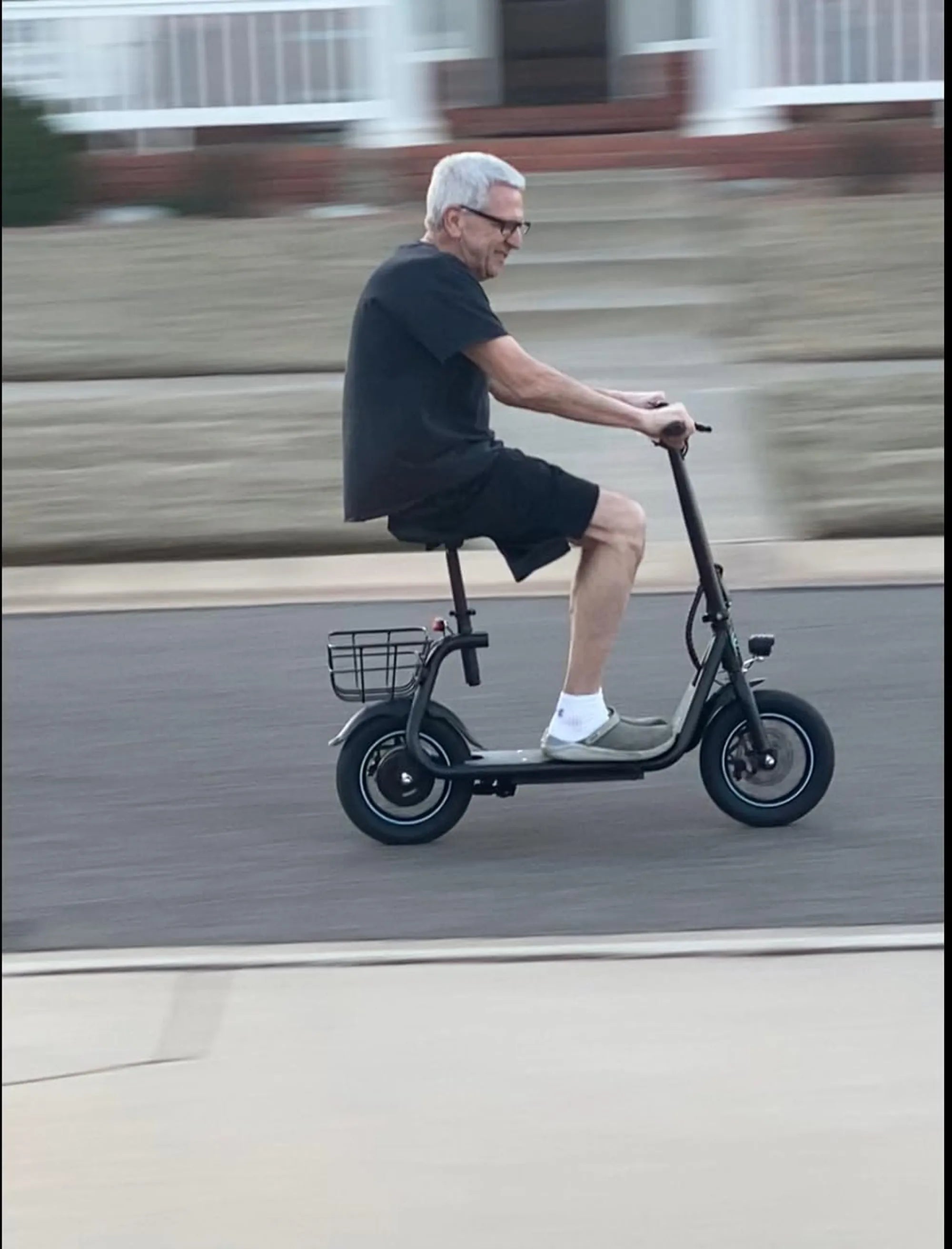
Is your electric scooter's throttle acting up, leaving you stranded or struggling to control your speed? A malfunctioning throttle can be frustrating and even dangerous, but don't worry—fixing it is often simpler than you think. Whether it's unresponsive, sticky, or erratic, this guide will help you troubleshoot and repair the throttle on your electric scooter like a pro.
Understanding How the Throttle Works
Before diving into repairs, it's essential to understand how the throttle functions. The throttle is a critical component that controls the speed of your electric scooter by sending signals to the motor controller. Most throttles use a Hall-effect sensor or a potentiometer to regulate power output based on your input. When the throttle fails, it can result in no response, inconsistent acceleration, or sudden power cuts.
Common Throttle Problems and Their Causes
Several issues can cause throttle malfunctions. Here are the most common ones:
- Unresponsive Throttle: This could be due to a disconnected or damaged wire, a faulty sensor, or a dead battery.
- Sticky or Hard-to-Press Throttle: Dirt, debris, or wear and tear may be preventing smooth movement.
- Erratic Speed Control: Loose connections, water damage, or a failing sensor can cause unpredictable acceleration.
Tools You'll Need for the Repair
Gather these tools before starting:
- Screwdrivers (Phillips and flathead)
- Multimeter for testing electrical connections
- Wire strippers and electrical tape
- Cleaning supplies (isopropyl alcohol, cotton swabs)
- Replacement throttle (if necessary)
Step-by-Step Throttle Fixing Guide
Step 1: Inspect the Throttle Housing
Start by removing the throttle housing to check for visible damage or debris. Use a screwdriver to open the casing and examine the internal components. Look for frayed wires, corrosion, or obstructions.
Step 2: Test the Wiring with a Multimeter
Set your multimeter to measure voltage and check the throttle's wiring. Disconnect the throttle from the controller and test for continuity. If the readings are inconsistent, the wires or sensor may need replacement.
Step 3: Clean the Throttle Mechanism
If the throttle feels sticky, clean the moving parts with isopropyl alcohol. Remove dirt or grime that might be interfering with the sensor's operation. Ensure everything is dry before reassembling.
Step 4: Check the Throttle Sensor
For Hall-effect throttles, use the multimeter to test the sensor's output voltage. A faulty sensor won't provide the correct signal to the controller and will need replacement.
Step 5: Reassemble and Test
Once repairs are complete, reassemble the throttle and test it. Turn on the scooter and gently twist the throttle to ensure smooth and consistent acceleration.
When to Replace the Throttle
If cleaning and rewiring don't resolve the issue, the throttle may need replacement. Look for signs like persistent unresponsiveness, burnt wires, or a cracked housing. A new throttle is often affordable and easy to install.
Safety Tips for Throttle Repairs
- Always disconnect the battery before working on electrical components.
- Wear gloves and safety glasses to protect against sharp edges or debris.
- Avoid riding the scooter until the throttle is fully functional.
A faulty throttle doesn't have to mean the end of your electric scooter adventures. With the right tools and a little patience, you can diagnose and fix most throttle issues yourself. Get back on the road with confidence, knowing your scooter is running smoothly and safely.
ClassyWalk Electric Scooter: The Ultimate Urban Commuting Companion
Lightweight Electric Kick Scooter: The Future of Urban Mobility