

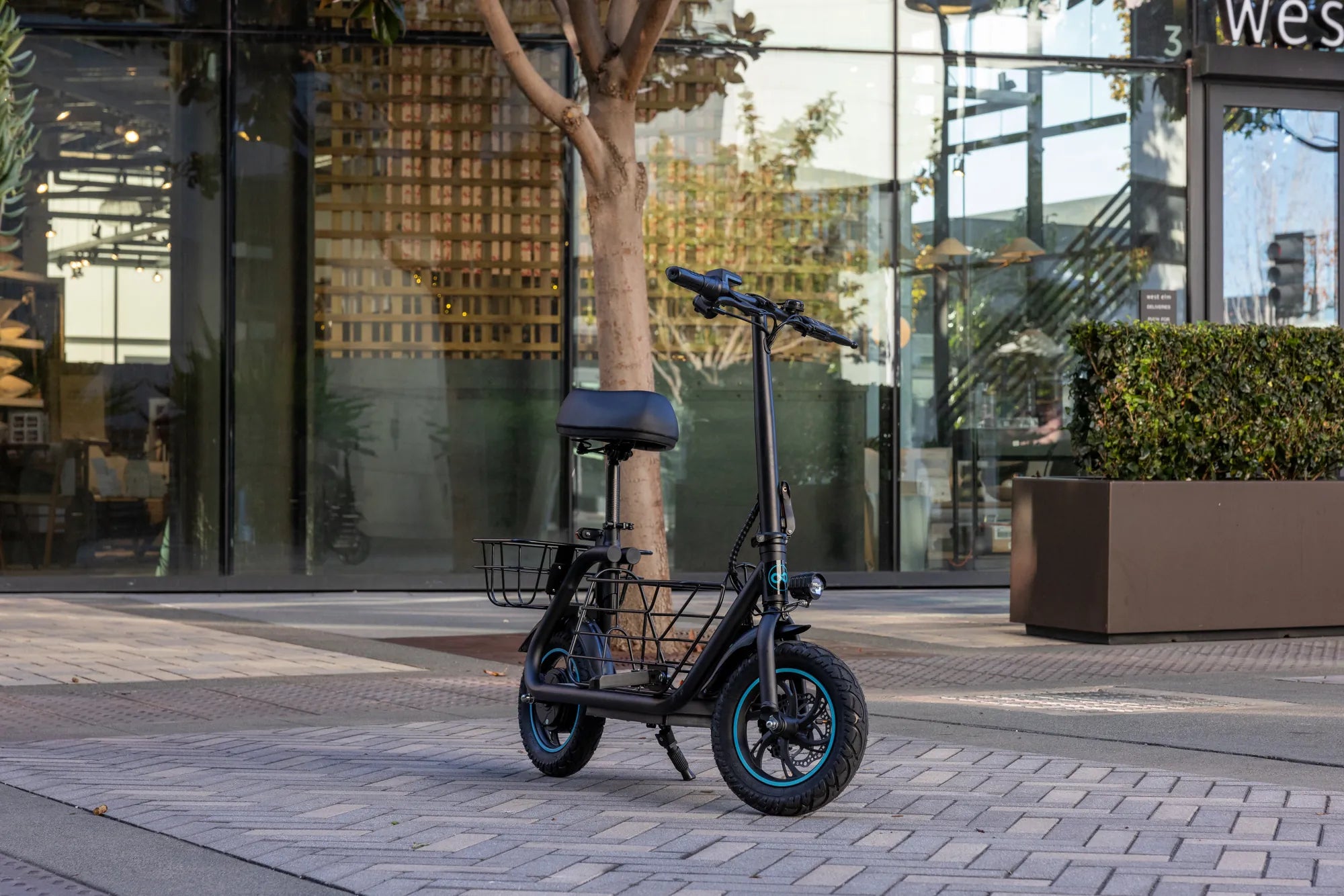
Electric bikes are revolutionizing the way we commute, explore, and stay active. But if you're new to the world of e-bikes, figuring out the right battery can feel like solving a complex puzzle. The wrong choice could leave you stranded mid-ride or even damage your bike. So, how do you pick the perfect battery for your electric bike? Let's dive in.
Understanding Electric Bike Battery Basics
Before choosing a battery, it's essential to understand the core components that define its performance. The two most critical factors are voltage and capacity.
Voltage (V)
Voltage determines the power output of your e-bike. Most electric bikes operate on 36V, 48V, or 52V systems. Higher voltage means more speed and torque, but it must match your bike's motor and controller specifications. Using an incompatible voltage can cause malfunctions or even permanent damage.
Capacity (Ah or Wh)
Capacity measures how much energy the battery can store, typically in ampere-hours (Ah) or watt-hours (Wh). A higher capacity means longer range, but it also increases weight and cost. For example, a 10Ah battery will generally last longer than a 7Ah one under the same conditions.
Battery Chemistry: Which One Is Right for You?
Not all batteries are created equal. The most common types for e-bikes are:
- Lithium-Ion (Li-ion): Lightweight, long lifespan, and fast charging. The most popular choice for modern e-bikes.
- Lithium Iron Phosphate (LiFePO4): Extremely durable and safe but heavier and more expensive.
- Lead-Acid: Cheaper but bulky, heavy, and shorter lifespan. Mostly found in older or budget e-bikes.
For most riders, lithium-ion batteries strike the best balance between performance, weight, and cost.
Compatibility: Will It Fit and Work with Your Bike?
Not all batteries fit all e-bikes. Here's what to check:
- Mounting Type: Some batteries slide into a frame, while others mount on a rear rack.
- Connector Type: Ensure the battery's plug matches your bike's charging port.
- Controller Compatibility: The battery must work with your bike's motor controller to avoid electrical issues.
Range and Performance: How Far Can You Go?
Your riding habits determine the ideal battery size. If you take long rides, prioritize higher capacity (measured in Wh). For shorter commutes, a smaller battery may suffice. Terrain, rider weight, and assist level also affect range.
Budget vs. Longevity: Finding the Sweet Spot
Cheaper batteries may save money upfront but often degrade faster. Investing in a high-quality battery with a good warranty can save you money in the long run by lasting more charge cycles.
Safety and Maintenance Tips
To maximize battery life and safety:
- Avoid extreme temperatures.
- Store at a partial charge if not using for long periods.
- Use the correct charger to prevent overheating.
Choosing the right battery doesn't have to be a guessing game. By understanding voltage, capacity, chemistry, and compatibility, you can confidently power your rides for years to come. Ready to hit the road with the perfect e-bike battery? Your next adventure awaits!
Electric Fat Trike Mid-Drive: The Ultimate Guide to Power and Performance
Big Boy Electric Trike: The Ultimate Ride for Comfort and Power