



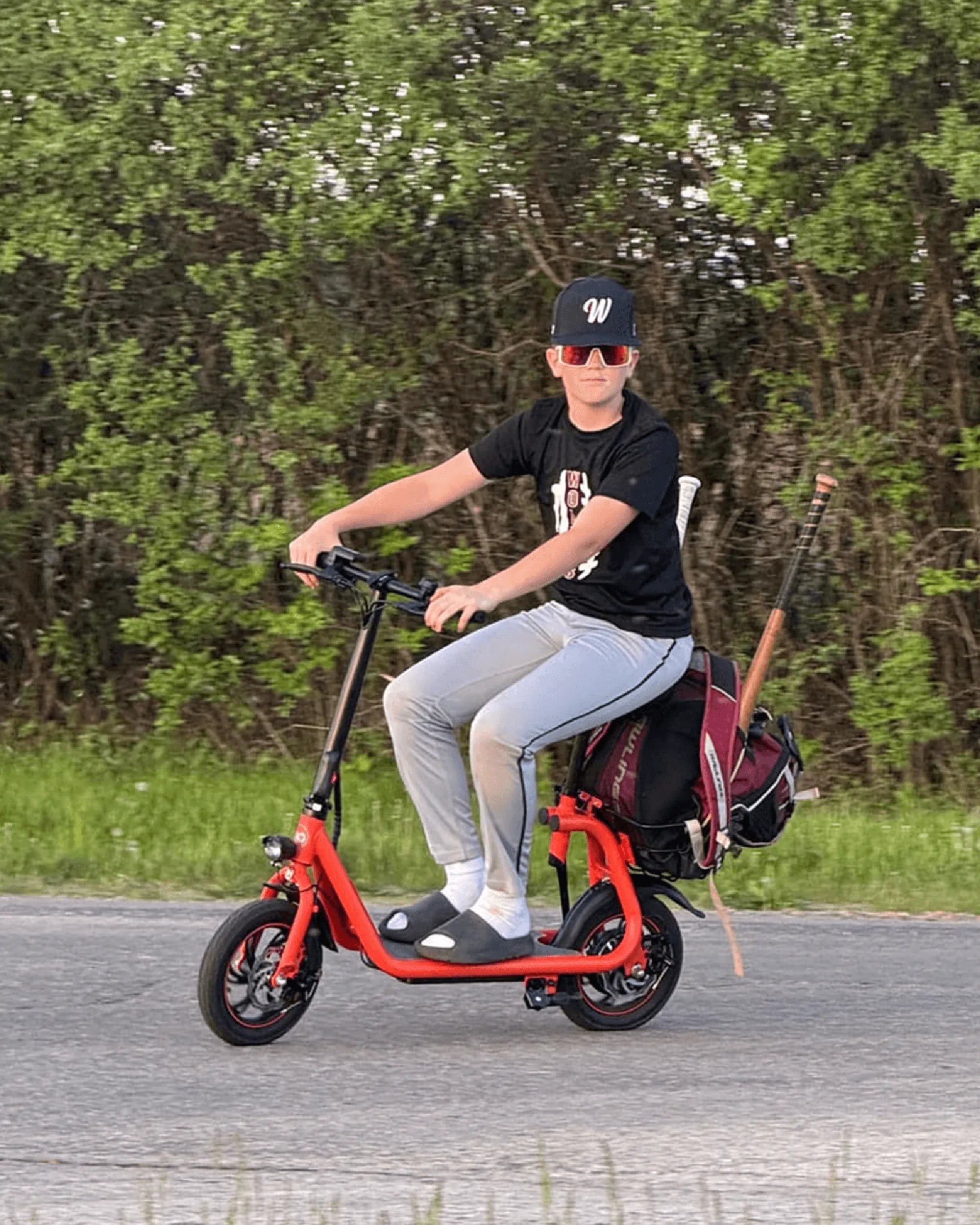
Ever wondered why your electric bike doesn’t always deliver the range or performance you expected? The answer might be simpler than you think—your weight plays a crucial role. From battery drain to acceleration, rider weight significantly influences how a specialized electric bike performs. Let’s break down the science behind it and uncover how you can maximize your ride.
The Relationship Between Rider Weight and Electric Bike Performance
Electric bikes are engineered to balance power, efficiency, and durability. However, rider weight directly affects this balance. Heavier riders demand more from the motor and battery, which can lead to reduced range and slower acceleration. Here’s how:
- Increased Energy Consumption: The motor must work harder to propel additional weight, draining the battery faster.
- Slower Acceleration: More mass requires more torque, which can delay reaching top speed.
- Higher Strain on Components: Brakes, tires, and the frame endure more stress, potentially shortening their lifespan.
How Weight Impacts Battery Range
Battery range is one of the most noticeable effects of rider weight. A heavier load forces the motor to draw more power, reducing the distance you can travel on a single charge. Studies suggest that for every 20 pounds over the recommended weight limit, range can drop by 5-10%. Here’s why:
- Power Demand: More weight increases rolling resistance and air resistance, requiring sustained high power output.
- Battery Drain: Frequent use of higher assist levels depletes the battery quicker.
- Terrain Influence: Hills and rough terrain amplify these effects, further cutting into your range.
Performance Trade-offs: Speed and Handling
Beyond range, rider weight alters how an electric bike handles. Acceleration becomes sluggish, and top speed may slightly decrease due to the extra load. Additionally, braking distances can lengthen, requiring more caution on descents. Key performance factors include:
- Motor Efficiency: Mid-drive motors handle weight better than hub motors but still face limitations.
- Suspension Adjustments: Heavier riders may need to tweak suspension settings for optimal comfort and control.
- Tire Pressure: Proper inflation is critical to prevent excessive wear and maintain traction.
Tips to Optimize Your Electric Bike for Heavier Riders
If you’re on the heavier side, don’t worry—there are ways to enhance your bike’s performance:
- Choose the Right Bike: Look for models with higher weight capacities and robust motors.
- Upgrade the Battery: A higher-capacity battery can compensate for increased energy demands.
- Maintain Optimal Tire Pressure: Properly inflated tires reduce rolling resistance and improve efficiency.
- Use Lower Assist Levels: Relying on eco mode for flat terrain can extend your range.
- Reduce Cargo Weight: Minimize additional baggage to lighten the load.
Real-World Scenarios: How Much Difference Does Weight Make?
Imagine two riders—one weighing 150 pounds and the other 250 pounds—using the same electric bike on identical terrain. The lighter rider might achieve 50 miles on a single charge, while the heavier rider could see that number drop to 35 miles. Similarly, climbing hills would require significantly more effort for the heavier rider, emphasizing the importance of selecting the right bike for your needs.
The Bottom Line: Weight Matters, But It’s Manageable
While rider weight undeniably affects an electric bike’s range and performance, smart choices and adjustments can mitigate these issues. Whether you’re a casual rider or a daily commuter, understanding these dynamics helps you get the most out of your specialized electric bike. Ready to hit the road with confidence? Your perfect ride is just a few tweaks away.
Adult How Much Is a Electric Bike: A Complete Pricing Guide
Adult How Much Is a Electric Bike: A Complete Pricing Guide