

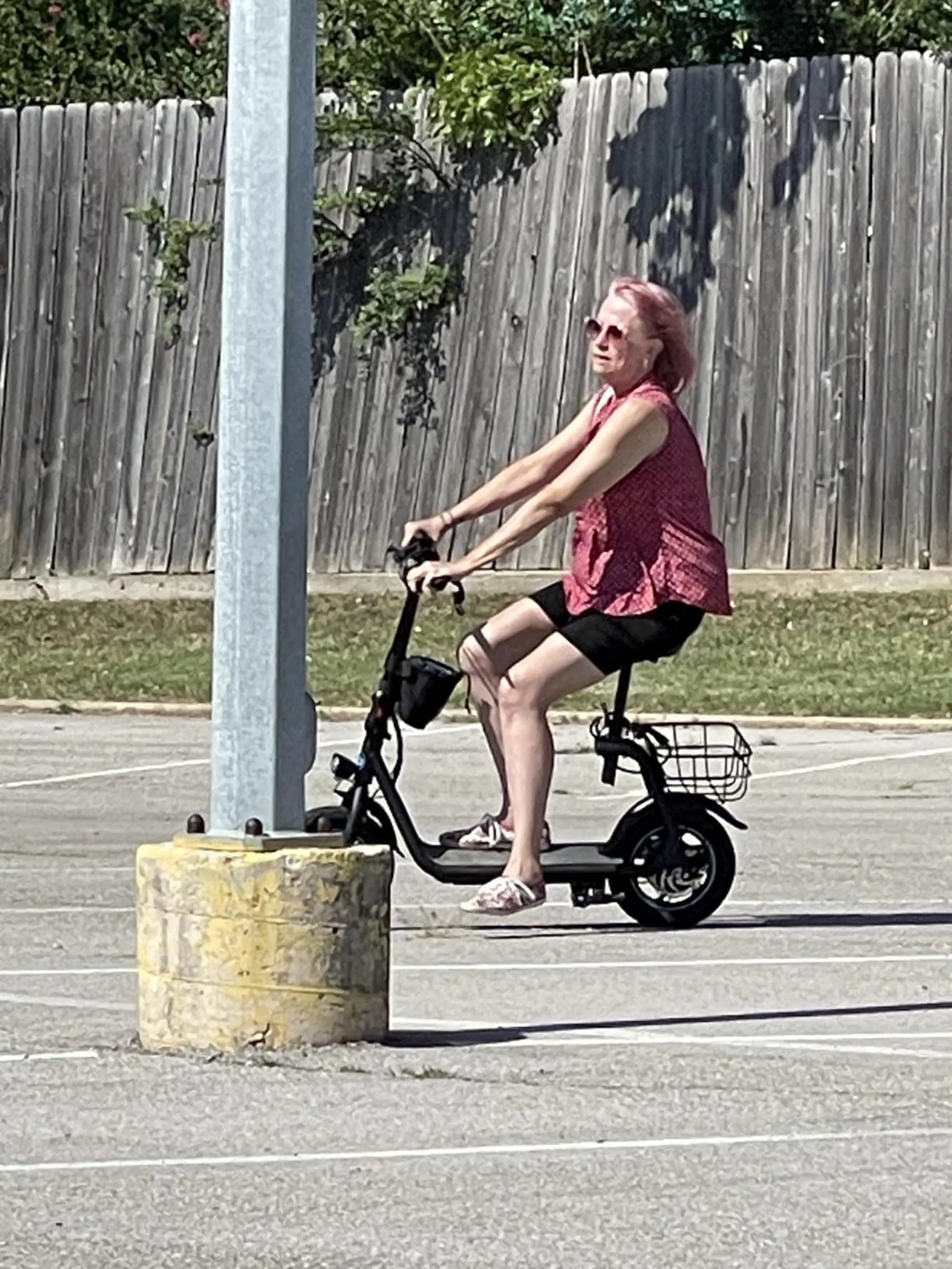
Electric scooters have become a popular mode of transportation for urban commuters and adventure seekers alike. But one question lingers in the minds of riders: how far will an electric scooter go? The answer isn't as simple as a single number—it depends on a variety of factors, from battery size to terrain. In this article, we'll break down everything you need to know about electric scooter range and how to get the most out of every charge.
Battery Capacity: The Heart of Your Scooter's Range
The primary factor determining how far an electric scooter can travel is its battery capacity, typically measured in watt-hours (Wh). A higher watt-hour rating means more energy storage, which translates to a longer range. For example, a scooter with a 500Wh battery will generally go farther than one with a 250Wh battery under similar conditions.
Motor Efficiency: Power vs. Distance
Your scooter's motor plays a crucial role in determining range. More powerful motors consume energy faster, reducing the total distance you can travel. However, efficient motors with smart power management systems can help stretch the battery life further. Dual-motor scooters, while offering better performance, often drain the battery quicker than single-motor models.
Rider Weight and Payload
Heavier riders or those carrying additional cargo will notice a decrease in range. The scooter's motor has to work harder to move extra weight, consuming more energy in the process. Manufacturers often provide range estimates based on an average rider weight—usually around 160-180 lbs—so adjust your expectations if you fall outside this range.
Terrain and Riding Conditions
Riding on flat, smooth surfaces maximizes range, while hills, rough terrain, and frequent stops and starts can significantly reduce it. Wind resistance also plays a role—riding against strong headwinds forces the motor to work harder, draining the battery faster.
Speed and Riding Style
Faster speeds consume more energy. If you're looking to maximize range, consider riding at a moderate pace rather than top speed. Aggressive acceleration and braking also waste energy, so a smooth, steady riding style will help you go farther.
Tire Type and Pressure
Pneumatic (air-filled) tires generally offer better efficiency than solid tires, as they reduce rolling resistance. Keeping your tires properly inflated is also crucial—underinflated tires create more drag, reducing range.
Temperature and Weather
Cold weather can negatively impact battery performance, reducing range by as much as 20-30%. If you're riding in chilly conditions, expect a shorter distance per charge. Rain and wet surfaces can also decrease efficiency due to increased friction.
How to Maximize Your Electric Scooter's Range
- Charge your battery fully before each ride.
- Maintain a steady speed and avoid unnecessary acceleration.
- Keep your tires properly inflated.
- Reduce payload if possible.
- Use eco or range-extending modes if your scooter has them.
- Avoid steep hills when planning your route.
Understanding the factors that influence how far an electric scooter will go empowers you to make smarter riding decisions. By optimizing your scooter's efficiency, you can squeeze every last mile out of your battery and enjoy longer, more reliable rides. Whether you're commuting or exploring, knowing your scooter's limits ensures you'll never be left stranded.
1500 Watt Electric Scooter: The Ultimate Guide to Power and Performance
Simple One Electric Scooter India: Simple Energy for a Greener Future