

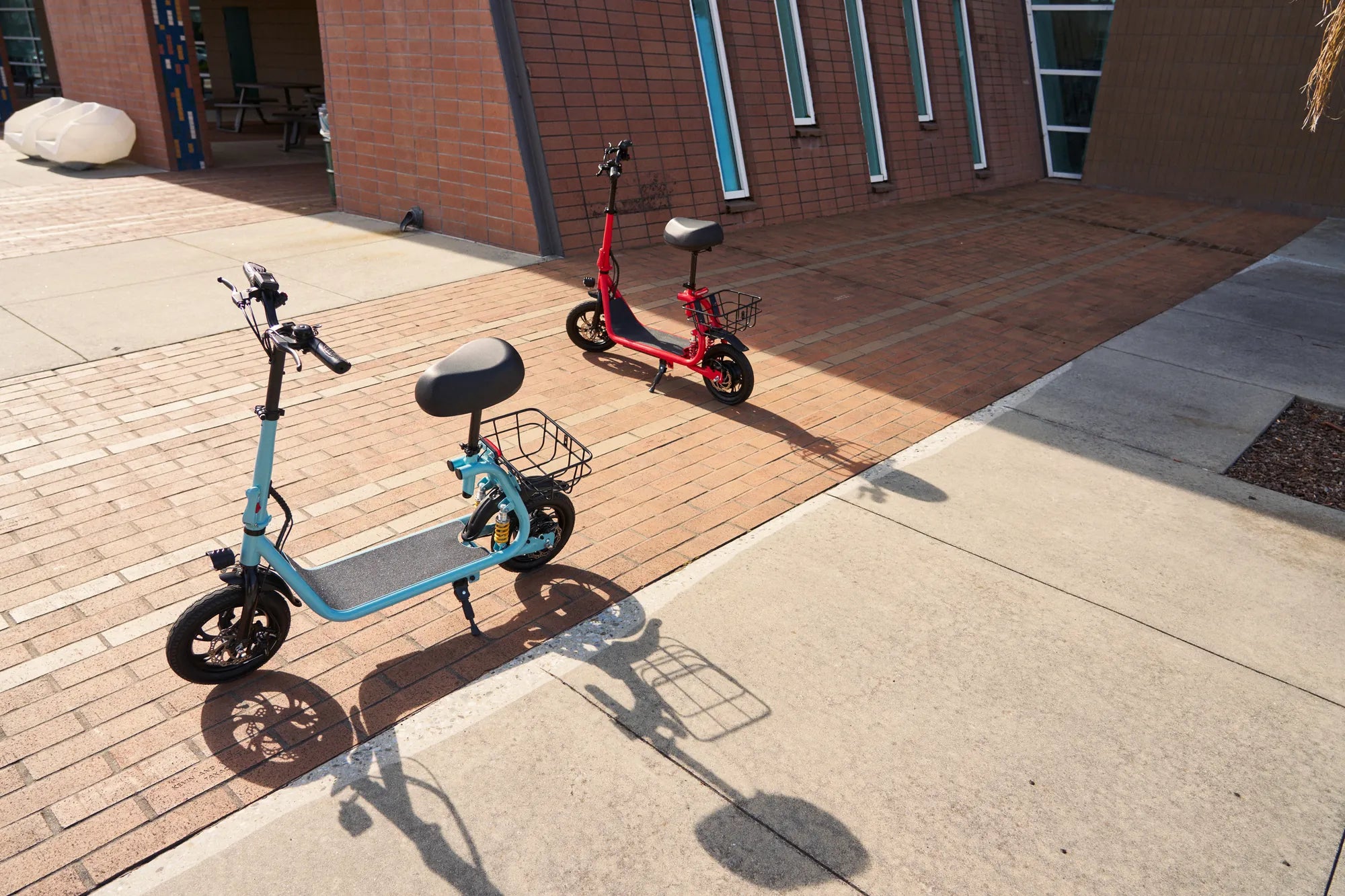
Ever wondered just how fast an e-bike can go? Whether you're a commuter looking to shave minutes off your trip or an adventure seeker craving speed, understanding the average e-bike velocity is key. Let's dive into the numbers, the mechanics, and the rules that define how fast these electric-powered machines can truly go.
Understanding E-Bike Speed Classes
E-bikes are categorized into different classes based on their speed capabilities. These classifications help riders and regulators determine where and how these bikes can be used.
- Class 1: Pedal-assist only, with a top speed of 20 mph (32 km/h).
- Class 2: Throttle-assisted, also capped at 20 mph (32 km/h).
- Class 3: Pedal-assist with a higher limit of 28 mph (45 km/h).
These classifications are crucial because they often dictate where you can ride—bike lanes, roads, or off-road trails—depending on local laws.
Factors That Influence E-Bike Speed
Several elements determine how fast an e-bike can go, beyond just its motor power. Here’s what plays a role:
Motor Power and Wattage
The motor is the heart of an e-bike's speed. Most e-bikes range between 250W and 750W, with higher wattage generally allowing for greater speed. However, legal restrictions often cap the power output to keep speeds in check.
Battery Capacity
A larger battery can sustain higher speeds for longer, but it doesn’t necessarily increase the top speed. Instead, it ensures the motor can perform optimally without quick depletion.
Rider Weight and Terrain
Heavier riders or uphill climbs can slow an e-bike down, as the motor has to work harder. On flat terrain with a lighter load, the same bike might reach its top speed more easily.
Tire Pressure and Type
Properly inflated, smooth tires reduce rolling resistance, allowing for faster speeds. Off-road tires, while great for traction, may slow you down on pavement.
Legal Speed Limits for E-Bikes
Laws vary by country and even by state or region. In the U.S., federal regulations classify e-bikes with a 20 mph limit as consumer products, while faster models may require registration or licensing. In the EU, the limit is typically 25 km/h (15.5 mph) for pedal-assist bikes to be considered bicycles rather than mopeds.
Always check local regulations to avoid fines or restrictions. Some areas allow higher speeds on private property or designated trails.
How to Maximize Your E-Bike's Speed
If you're looking to get the most out of your e-bike’s speed potential, consider these tips:
- Maintain Your Bike: Regular tune-ups ensure the motor and drivetrain operate efficiently.
- Optimize Riding Position: A more aerodynamic posture reduces wind resistance.
- Use the Right Assist Level: Higher assist modes provide more power but drain the battery faster.
- Keep the Battery Charged: A full battery delivers consistent power output.
Safety Considerations at Higher Speeds
Riding faster comes with increased risks. Here’s how to stay safe:
- Wear a Helmet: Essential at any speed, but especially when riding near the e-bike’s limit.
- Check Brakes: Ensure your brakes can handle sudden stops at top speed.
- Be Visible: Use lights and reflective gear, especially if riding at dawn or dusk.
- Obey Traffic Laws: Faster speeds mean less reaction time—ride defensively.
E-bikes offer a thrilling blend of speed and convenience, but knowing their limits—both mechanical and legal—helps you ride smarter. Whether you're zipping through city streets or exploring off-road trails, understanding how fast your e-bike can go ensures a smoother, safer journey.
E Bike Cargo Bike: The Ultimate Guide to Sustainable Urban Transport
All Terrain Scooter: The Ultimate Guide to Off-Road Adventure