

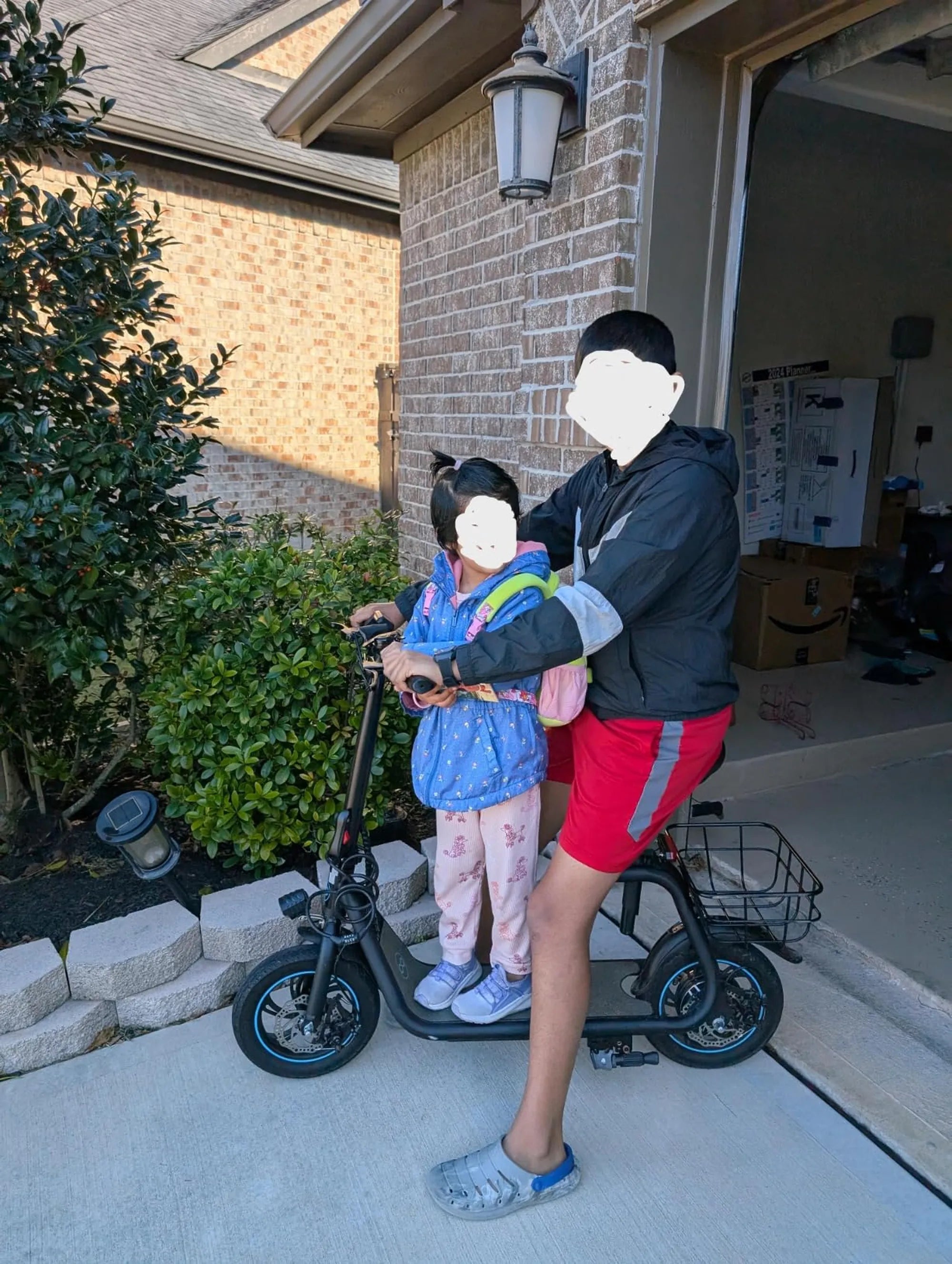
Electric bikes are taking the world by storm, offering a greener, faster, and more efficient way to commute. But one question lingers in the minds of many riders: how fast can an electric bike legally go? The answer isn't as straightforward as you might think, as it depends on local laws, bike classifications, and even the type of motor used. Let's dive into the details to help you stay on the right side of the law while enjoying your ride.
Understanding Electric Bike Classifications
Electric bikes are typically categorized into three classes, each with its own speed limits and regulations. These classifications help lawmakers and riders alike understand where and how e-bikes can be used.
- Class 1: These e-bikes provide pedal assistance up to 20 mph (32 km/h) and do not have a throttle.
- Class 2: Equipped with a throttle, these bikes also cap at 20 mph but can propel the rider without pedaling.
- Class 3: These bikes offer pedal assistance up to 28 mph (45 km/h) and may or may not include a throttle, depending on local laws.
These classifications are widely adopted in many regions, but it's crucial to check your local regulations, as some areas may have additional restrictions or exemptions.
Legal Speed Limits Around the World
Speed limits for electric bikes vary significantly depending on the country or even the state or province. Here's a quick overview of how different regions regulate e-bike speeds:
United States
In the U.S., federal law defines an electric bike as a two- or three-wheeled vehicle with fully operable pedals and an electric motor of no more than 750 watts (1 horsepower). However, states can impose their own speed limits. Most states adhere to the three-class system, with Class 1 and 2 e-bikes limited to 20 mph and Class 3 capped at 28 mph.
European Union
The EU classifies e-bikes as "pedelecs" if they provide assistance only up to 25 km/h (15.5 mph) and have a motor rated at 250 watts or less. Faster e-bikes may be subject to stricter regulations, such as requiring registration, insurance, or a helmet.
Other Regions
Countries like Canada and Australia have similar regulations, often capping speeds at 25 km/h or 32 km/h, depending on the classification. Always verify local laws before riding to avoid fines or legal issues.
Why Speed Limits Exist
Speed limits for electric bikes aren't arbitrary—they're designed to ensure safety for riders and others sharing the road or bike paths. Here are some key reasons behind these regulations:
- Safety: Higher speeds increase the risk of accidents, especially in crowded urban areas.
- Infrastructure Compatibility: Bike lanes and paths are often designed with lower-speed traffic in mind.
- Legal Clarity: Clear speed limits help distinguish e-bikes from motorcycles or scooters, which may face different rules.
Can You Modify an E-Bike to Go Faster?
Some riders are tempted to tweak their e-bikes to exceed legal speed limits, but this comes with significant risks:
- Legal Consequences: Riding a modified e-bike may classify it as a motor vehicle, requiring registration, insurance, and a license.
- Safety Hazards: E-bikes are not always built to handle higher speeds, increasing the risk of mechanical failure.
- Voided Warranties: Tampering with the motor or speed settings often voids the manufacturer's warranty.
If you need more speed, consider upgrading to a higher-class e-bike that complies with local laws.
Tips for Staying Compliant
To enjoy your e-bike without running afoul of the law, follow these simple tips:
- Know Your Bike's Class: Check the manufacturer's specifications to understand your e-bike's classification.
- Research Local Laws: Speed limits and other regulations can vary by location, so always verify the rules in your area.
- Use Speed Limiters: Many e-bikes come with built-in limiters to ensure compliance—keep them enabled.
- Wear a Helmet: Even if not legally required, a helmet is a smart safety precaution, especially at higher speeds.
Electric bikes offer an exciting and eco-friendly way to get around, but knowing the legal speed limits is key to a smooth and trouble-free ride. Whether you're commuting or just enjoying the open road, staying informed ensures you can ride with confidence and peace of mind.
Electric Scooter How It Works: A Complete Guide to Understanding Its Mechanics
Buy Fat Wheel Electric Scooter: The Ultimate Guide to Choosing the Best Ride