


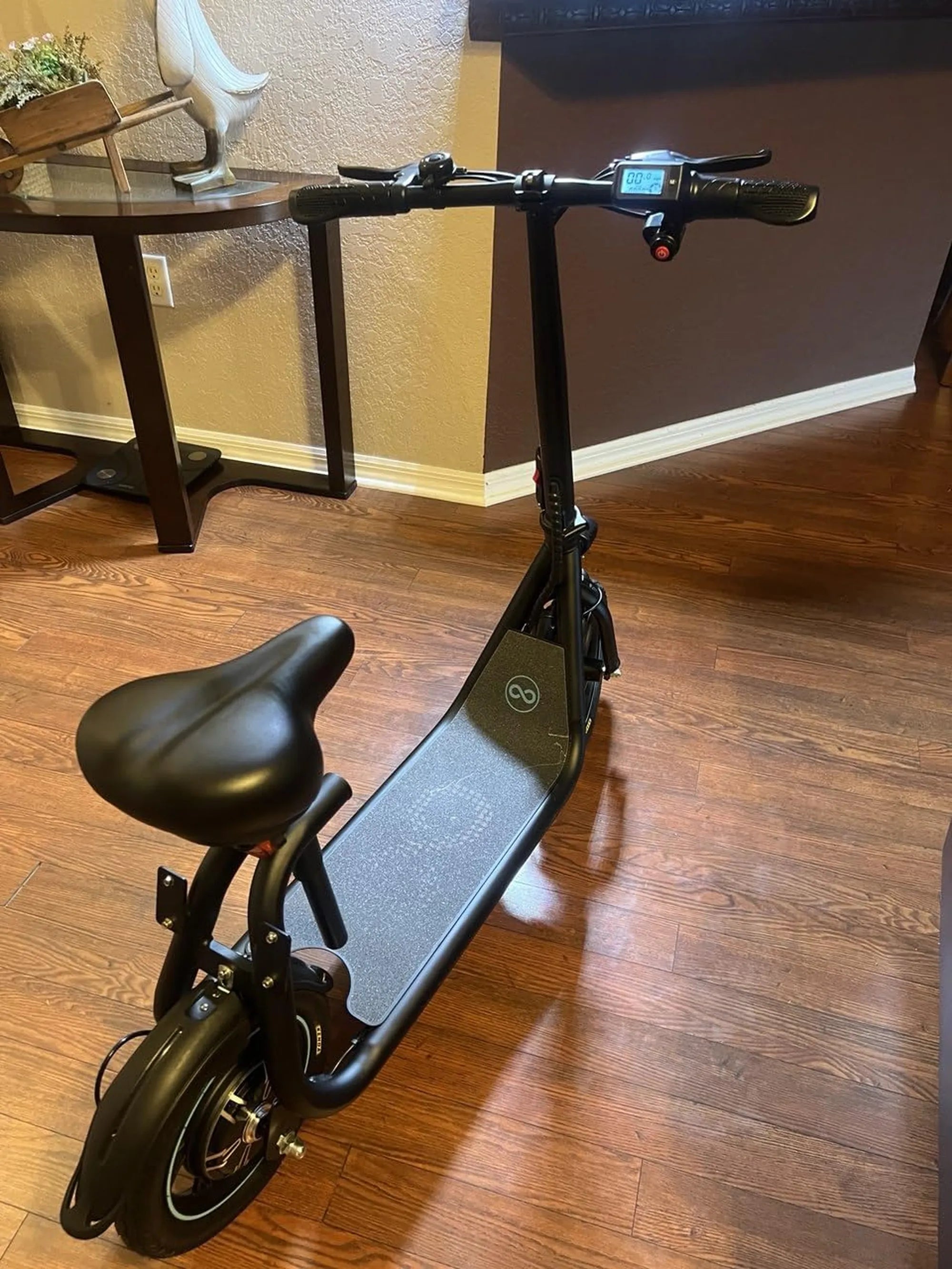
Electric dirt bikes are revolutionizing off-road riding, offering a cleaner, quieter, and often more powerful alternative to their gas-powered counterparts. But one question lingers in the minds of adrenaline junkies and casual riders alike: how fast can an electric dirt bike go? The answer isn’t as straightforward as you might think. Speed depends on a variety of factors, from motor specifications to rider weight and terrain conditions. Let’s dive into the details.
Motor Power and Performance
The heart of any electric dirt bike is its motor. Unlike traditional combustion engines, electric motors deliver instant torque, which means rapid acceleration. However, top speed is determined by the motor’s power output, typically measured in kilowatts (kW). Higher kW ratings generally translate to higher speeds. For example, a bike with a 10kW motor might reach speeds of 50-60 mph, while a high-performance model with a 20kW motor could surpass 70 mph.
Battery Capacity and Efficiency
Speed isn’t just about raw power—it’s also about how efficiently that power is delivered. The battery’s voltage and capacity play a crucial role. A higher voltage system (e.g., 72V vs. 48V) can provide more energy to the motor, enabling faster speeds. Additionally, battery chemistry affects performance. Lithium-ion batteries, for instance, offer better energy density and discharge rates than lead-acid alternatives, allowing for sustained high speeds.
Weight and Aerodynamics
Rider weight and bike design significantly impact speed. A lighter bike with a streamlined frame will naturally go faster than a heavier, bulkier model. Aerodynamics also come into play, especially at higher speeds. While dirt bikes aren’t built for wind resistance like street bikes, reducing drag can still help squeeze out a few extra mph.
Terrain and Riding Conditions
Off-road terrain is unpredictable, and speed can vary dramatically depending on the surface. Loose dirt, mud, or sand will slow you down, while hard-packed trails or pavement allow for faster riding. Tire choice also matters—knobby tires provide better traction but create more drag, potentially reducing top speed.
Comparing Electric and Gas-Powered Dirt Bikes
Traditional dirt bikes have long dominated the speed game, with some models exceeding 100 mph. However, electric bikes are catching up. While they may not yet match the absolute top speeds of high-performance gas bikes, their instant torque and smoother power delivery make them competitive in acceleration and real-world riding conditions.
Legal and Safety Considerations
Before pushing your electric dirt bike to its limits, check local regulations. Many areas impose speed limits on off-road vehicles, and some electric models may require licensing or registration. Safety gear, including helmets and protective clothing, is non-negotiable at high speeds.
Electric dirt bikes are rewriting the rules of off-road performance, blending eco-friendliness with thrilling speed. Whether you’re a seasoned rider or a curious newcomer, understanding these factors will help you choose the right bike—and maybe even break a personal speed record. Ready to feel the rush?
29 Inch Electric Bike Conversion Kit: The Ultimate Guide to Upgrading Your Ride
Electric Bike That Can Hold 400 Pounds: The Ultimate Guide for Heavy-Duty Riders