

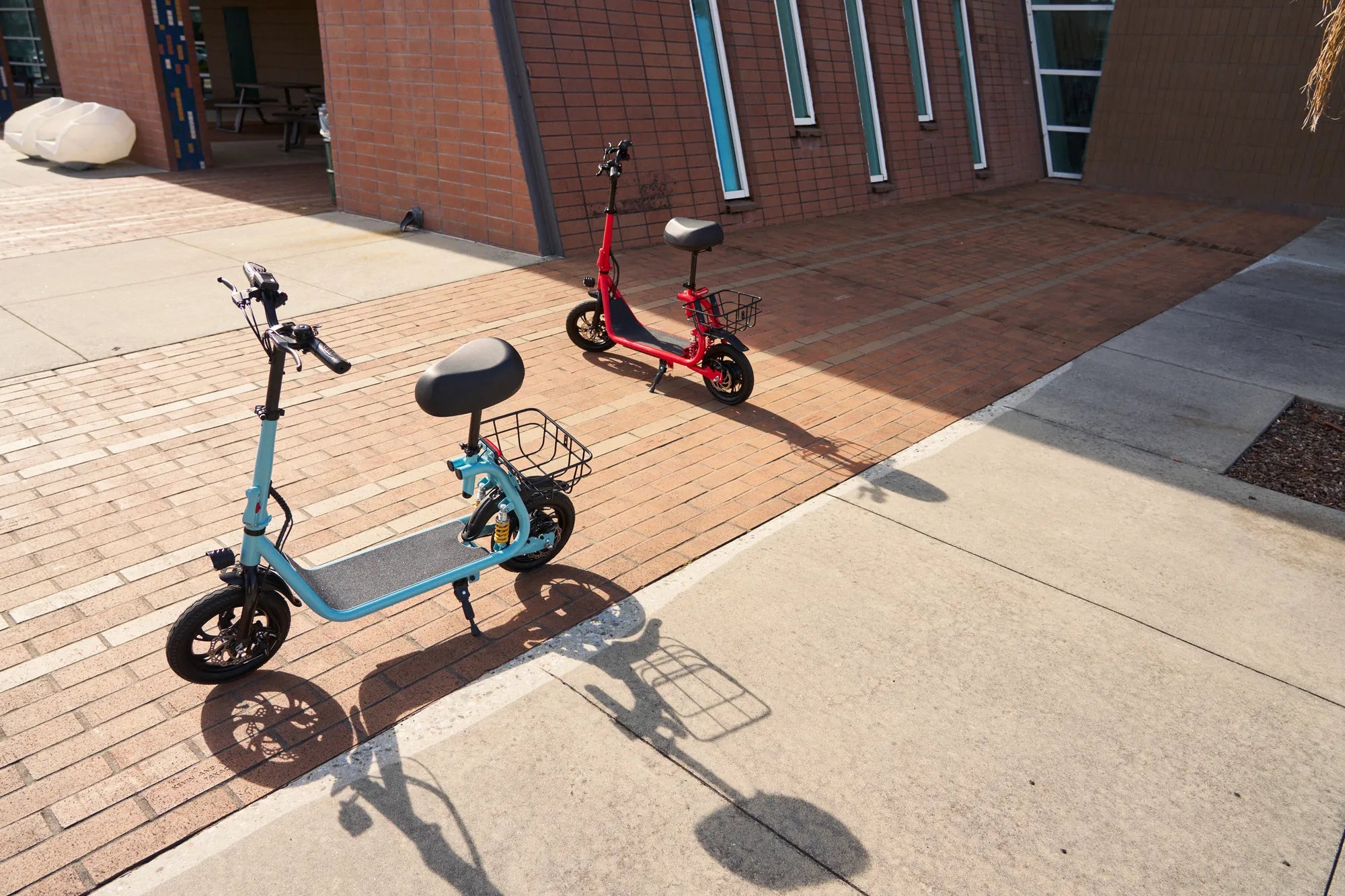
Ever wondered how fast a 150cc scooter can go? Whether you're a daily commuter or a thrill-seeker, understanding the speed capabilities of a 150cc scooter can help you make an informed decision. These scooters strike a balance between fuel efficiency and performance, making them a popular choice for urban and suburban riders. Let’s dive into the details of their speed, acceleration, and the factors that influence their performance.
Top Speed of a 150cc Scooter
A 150cc scooter typically reaches a top speed of 55 to 65 mph (88 to 105 km/h). However, this range can vary depending on several factors, including engine tuning, aerodynamics, and rider weight. Some high-performance models may even touch 70 mph (113 km/h) under ideal conditions. While these speeds are sufficient for city commuting and short highway trips, they may not match the performance of larger motorcycles.
Factors Affecting Scooter Speed
Engine Power and Tuning
The engine's power output plays a crucial role in determining how fast a 150cc scooter can go. Most 150cc engines produce between 10 to 15 horsepower, which is adequate for moderate speeds. However, factors like carburetor tuning, exhaust systems, and air intake can influence performance. A well-tuned engine with optimized fuel delivery will generally deliver better acceleration and top speed.
Weight and Load
The weight of the rider and any additional cargo can significantly impact a scooter's speed. A lighter load allows the engine to perform more efficiently, while heavier loads may reduce acceleration and top speed. For example, a solo rider may achieve the scooter's maximum speed, but adding a passenger or heavy luggage could lower it by 5 to 10 mph.
Aerodynamics and Wind Resistance
Scooters are not as aerodynamic as sport bikes, which means wind resistance can limit their top speed. Riding at high speeds against strong headwinds may reduce performance. Additionally, the rider's posture can affect aerodynamics—leaning forward slightly can help minimize drag and improve speed.
Terrain and Road Conditions
Flat, smooth roads allow a 150cc scooter to reach its maximum speed more easily. In contrast, uphill climbs or rough terrain can slow it down. The scooter's transmission system (usually a CVT) also plays a role in maintaining speed on varying inclines.
Acceleration and Performance
A 150cc scooter can accelerate from 0 to 30 mph (0 to 48 km/h) in about 4 to 6 seconds, making it suitable for quick urban commutes. However, acceleration tends to taper off as the scooter approaches its top speed. The CVT (Continuously Variable Transmission) ensures smooth power delivery, but it may not provide the same rapid acceleration as a manual gearbox.
Safety Considerations at High Speeds
While pushing a 150cc scooter to its limits can be exhilarating, safety should always come first. At higher speeds, stability becomes a concern, especially on uneven roads. Wearing proper gear—such as a helmet, gloves, and protective clothing—is essential. Additionally, maintaining proper tire pressure and ensuring the brakes are in good condition can prevent accidents.
Modifications to Increase Speed
Some riders opt for modifications to enhance their scooter's speed. Common upgrades include:
- Performance exhaust systems to improve airflow and power output.
- Carburetor or fuel injection tuning for better fuel efficiency and throttle response.
- Lighter components such as alloy wheels to reduce overall weight.
However, modifications should be done carefully, as they may affect the scooter's reliability and warranty.
Fuel Efficiency vs. Speed
One of the biggest advantages of a 150cc scooter is its fuel efficiency. Most models deliver 70 to 90 miles per gallon (mpg), making them cost-effective for daily use. However, riding at top speed consistently can reduce fuel economy. Finding a balance between speed and efficiency is key for long-term savings.
Comparing 150cc Scooters to Other Engine Sizes
While a 150cc scooter offers a good mix of speed and efficiency, riders seeking higher performance may consider larger engines. For example, a 250cc scooter can reach 80 to 90 mph (129 to 145 km/h), but it also consumes more fuel. On the other hand, 50cc scooters are limited to 30 to 40 mph (48 to 64 km/h) but are more affordable and fuel-efficient.
Ready to hit the road on a 150cc scooter? Whether you're commuting or cruising, understanding its speed capabilities ensures a smoother, safer ride. With the right maintenance and riding habits, your scooter can deliver both performance and efficiency for years to come.
How Fast Is a 250 Dirt Bike: Speed, Power, and Performance Explained
Best Scooter for 11 Year Old: Top Picks and Buying Guide