



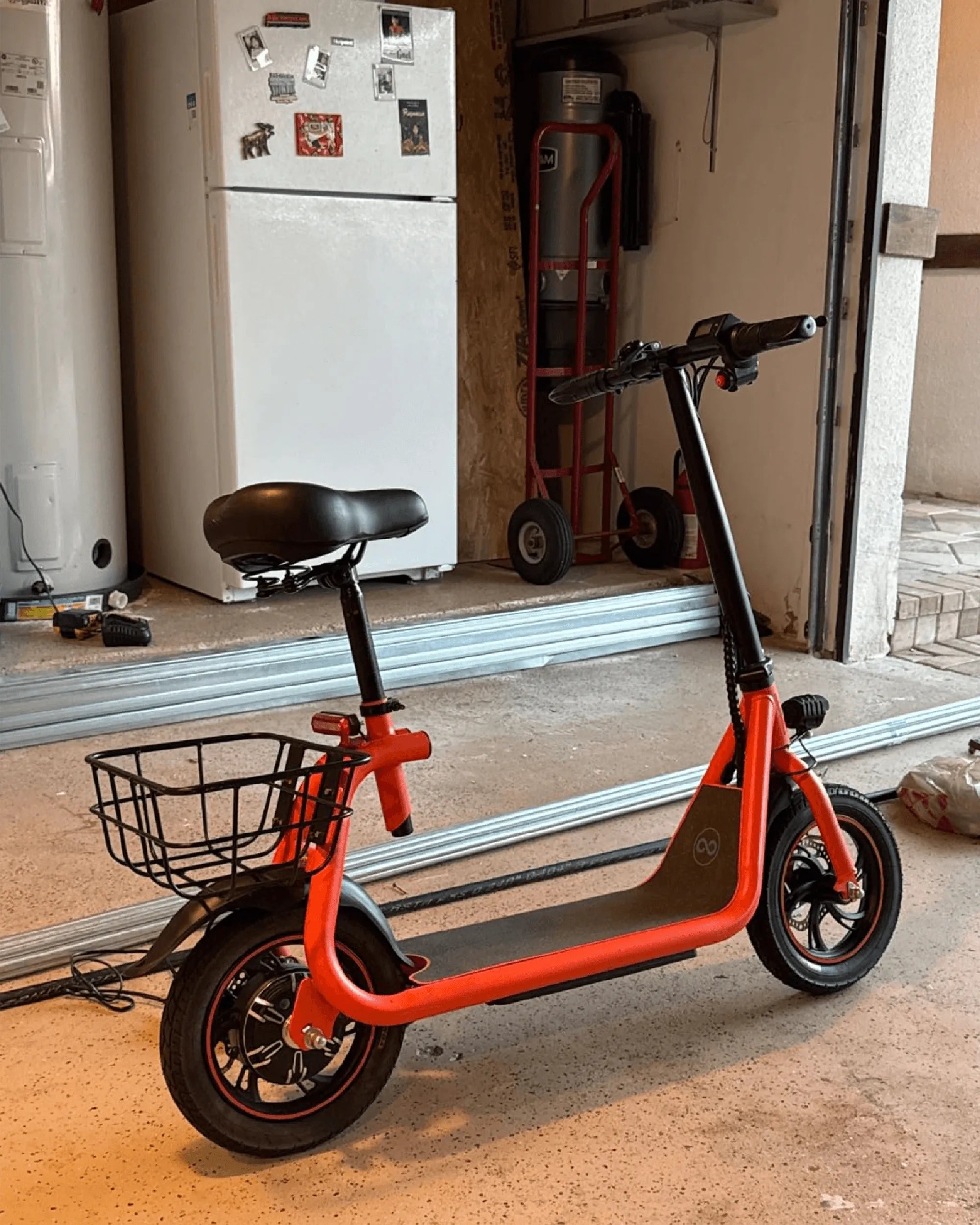
Electric bikes have revolutionized cycling, offering a blend of human effort and motorized assistance. But just how hard is it to pedal an electric bike? The answer depends on several factors, including the bike's design, motor power, and your riding preferences. Whether you're a fitness enthusiast or a casual rider, understanding the pedaling dynamics of an e-bike can help you make the most of your ride.
Understanding Electric Bike Pedaling Mechanics
Electric bikes come with pedal-assist systems that amplify your pedaling effort. The harder you pedal, the more assistance the motor provides. However, the level of assistance can usually be adjusted, allowing you to control how much effort you want to exert. Some e-bikes also feature a throttle mode, which eliminates the need for pedaling altogether.
Factors That Affect Pedaling Difficulty
1. Motor Power and Assistance Levels
The motor's wattage and the number of assistance levels significantly impact pedaling difficulty. Higher-wattage motors provide more support, making pedaling feel almost effortless. Most e-bikes offer multiple assistance levels, from eco (minimal help) to turbo (maximum boost).
2. Bike Weight
Electric bikes are heavier than traditional bicycles due to the motor and battery. While the motor compensates for the extra weight, pedaling without assistance can be more challenging, especially on inclines.
3. Terrain and Riding Conditions
Riding uphill or on rough terrain requires more effort, even with motor assistance. Flat, smooth surfaces make pedaling easier, while headwinds or off-road trails can increase difficulty.
4. Rider Fitness and Pedaling Technique
Your physical fitness and pedaling efficiency play a role. A well-conditioned cyclist may find pedaling an e-bike with minimal assistance easy, while beginners might rely more on the motor.
Tips to Make Pedaling Easier
- Use the Right Assistance Level: Start with a higher assistance level and gradually reduce it as you build stamina.
- Maintain Proper Tire Pressure: Underinflated tires increase rolling resistance, making pedaling harder.
- Shift Gears Efficiently: Use lower gears for uphill climbs and higher gears for flat terrain.
- Keep the Bike Well-Maintained: Regularly lubricate the chain and check the brakes to ensure smooth riding.
Common Misconceptions About Pedaling an E-Bike
Many people assume electric bikes do all the work, but this isn't true. Pedaling is still required in most cases, and the motor only supplements your effort. Even with assistance, you'll get a workout, especially if you choose lower support levels.
Final Thoughts
Pedaling an electric bike can be as easy or as challenging as you want it to be. With adjustable assistance levels and smart riding techniques, you can tailor the experience to your fitness goals. Whether you're looking for a leisurely cruise or a vigorous workout, an e-bike offers the flexibility to match your needs. Ready to hit the road? Your perfect ride awaits!
Electric Mountain Bike Speed: How Fast Can You Really Go?
Lightweight Electric Road Bike: The Future of Efficient and Eco-Friendly Commuting