



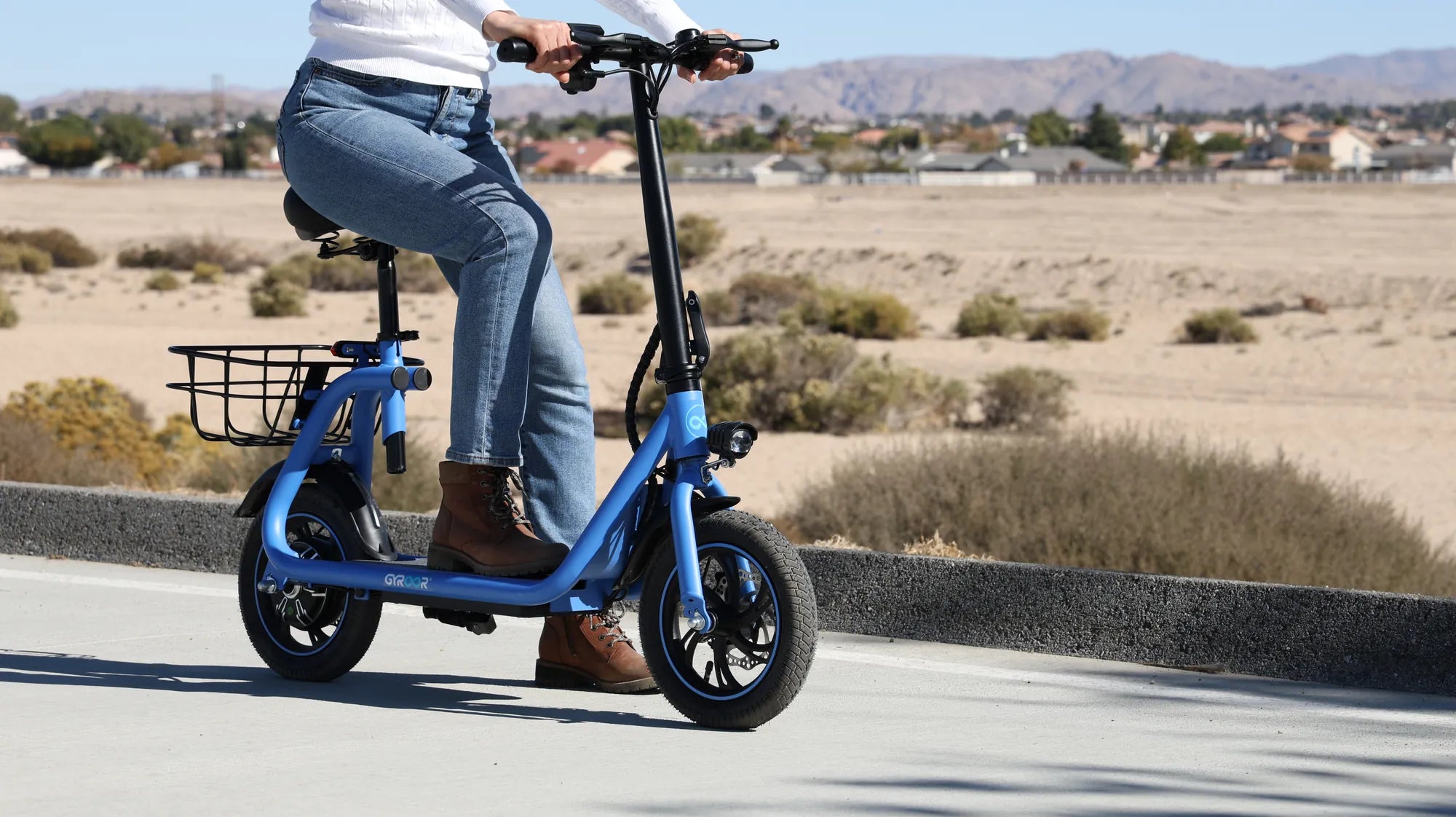
Ever wondered how long your electric bike charge will last before you need to plug it in again? Whether you're commuting, exploring trails, or just cruising around town, understanding your e-bike's battery life is crucial for planning your rides. Let's dive into the factors that determine how long an electric bike charge lasts and how you can get the most out of every cycle.
Understanding Electric Bike Battery Basics
Electric bike batteries are the heart of your ride, providing the power needed to assist your pedaling or propel you forward effortlessly. Most e-bikes use lithium-ion batteries due to their high energy density, lightweight design, and long lifespan. The capacity of these batteries is measured in watt-hours (Wh), which indicates how much energy they can store.
Average Range Per Charge
On average, a fully charged electric bike can last anywhere from 20 to 100 miles per charge, depending on various factors. Most mid-range e-bikes offer about 40-60 miles of range under ideal conditions. However, this number can fluctuate significantly based on how you ride and the environment around you.
Key Factors Affecting Battery Life
1. Battery Capacity
The larger the battery's capacity (measured in Wh), the longer your charge will last. A 500Wh battery will typically provide more range than a 300Wh battery, assuming all other factors are equal.
2. Rider Weight and Cargo
Heavier loads require more energy to move. If you're carrying extra weight (either your own body weight or additional cargo), your battery will drain faster.
3. Terrain and Elevation
Riding uphill or on rough terrain consumes more battery power than cruising on flat, smooth surfaces. Frequent starts and stops in urban environments can also reduce your range.
4. Assistance Level
Using higher pedal-assist modes or relying heavily on throttle will drain your battery much faster than using lower assistance levels or pedaling more yourself.
5. Weather Conditions
Cold temperatures can reduce battery performance, while riding against strong winds increases energy consumption. Extreme heat can also affect battery longevity over time.
6. Tire Pressure and Maintenance
Properly inflated tires and a well-maintained bike reduce rolling resistance, helping you conserve battery power.
Calculating Your Expected Range
To estimate how far you can go on a single charge, divide your battery's watt-hour rating by your average energy consumption (typically 15-30Wh per mile depending on conditions). For example, a 500Wh battery with 20Wh/mile consumption would give you about 25 miles of range.
Tips to Maximize Your Electric Bike's Charge
- Use lower assistance levels when possible
- Maintain steady speeds rather than frequent acceleration
- Keep your tires properly inflated
- Plan routes with fewer hills when range is critical
- Charge your battery at room temperature
- Avoid completely draining the battery regularly
Battery Longevity and Replacement
With proper care, most e-bike batteries last 500-1,000 charge cycles before their capacity significantly diminishes. A charge cycle is considered a full discharge and recharge, though partial cycles also count proportionally. To extend your battery's overall lifespan, avoid leaving it fully charged or completely drained for extended periods.
Real-World Usage Scenarios
Consider these typical scenarios to understand how different conditions affect range:
- Urban commuting: 30-50 miles (moderate assist, stop-and-go traffic)
- Leisure riding: 50-80 miles (low assist, flat terrain)
- Mountain biking: 20-40 miles (high assist, hilly terrain)
- Cargo hauling: 15-30 miles (heavy load, frequent starts)
Ready to hit the road with confidence? Now that you understand what affects your electric bike's charge duration, you can plan your rides smarter and get the most out of every pedal-assisted adventure. Remember, your riding style and conditions play a huge role - so experiment to find what works best for your needs!
Electric Street and Trail Bike: The Ultimate Guide to Adventure and Commuting
Electric Bike Mileage Per Charge: How Far Can You Really Go?