


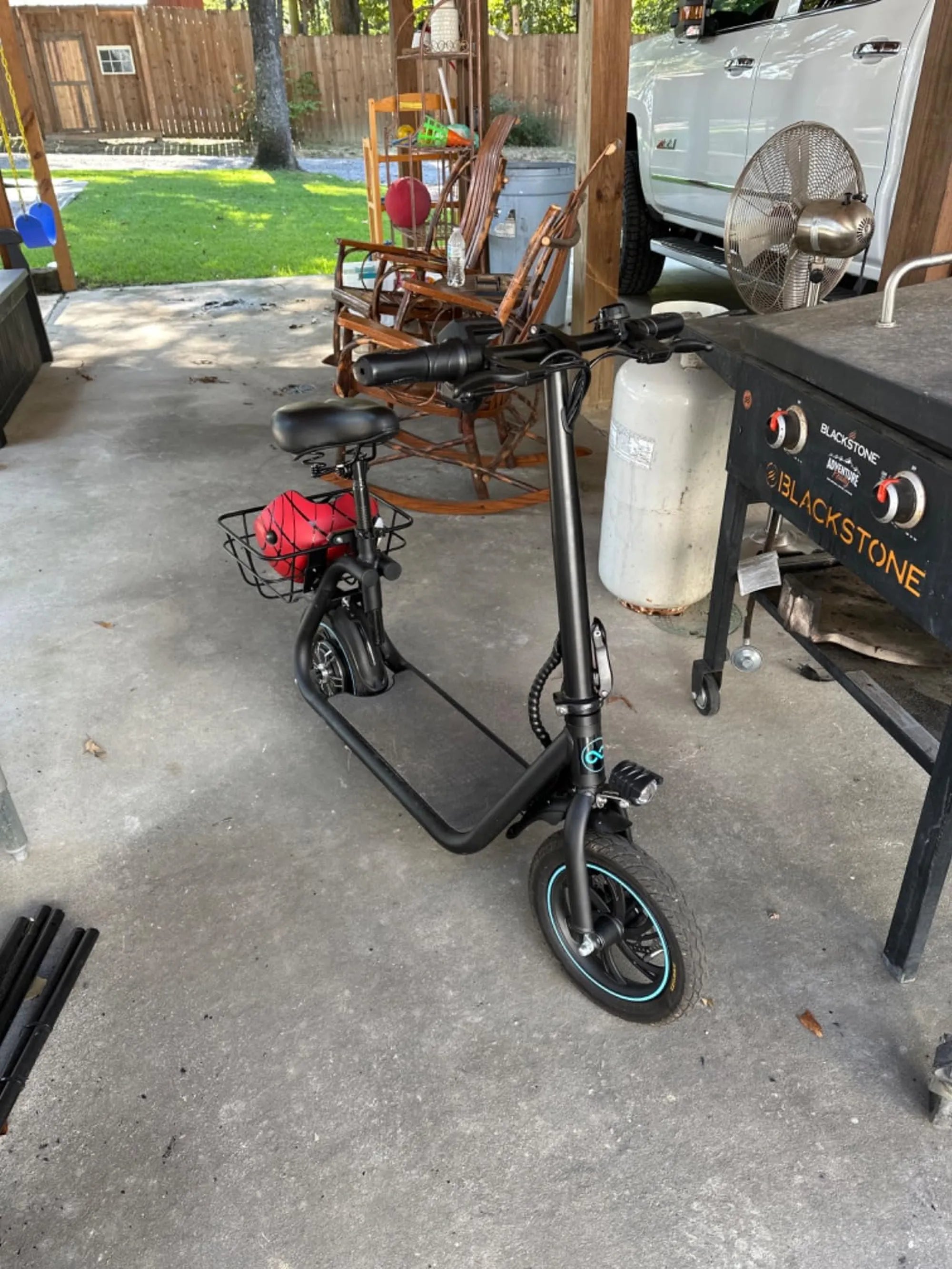
Electric bikes have revolutionized personal transportation, offering an eco-friendly and efficient way to commute, explore, or stay active. But one question lingers in the minds of many riders: how much battery for electric bike is truly necessary? The answer isn’t as simple as a single number—it depends on your riding style, terrain, and even the weather. Let’s dive into the details to help you find the perfect balance between power and performance.
Understanding Electric Bike Battery Basics
Before determining how much battery your electric bike needs, it’s crucial to understand the fundamentals. Electric bike batteries are typically measured in watt-hours (Wh), which indicate the total energy capacity. This figure is derived by multiplying the battery’s voltage (V) by its amp-hour (Ah) rating. For example, a 36V battery with 10Ah capacity delivers 360Wh of energy.
Battery Types and Their Impact
Most modern electric bikes use lithium-ion (Li-ion) batteries due to their lightweight design, high energy density, and long lifespan. Older models might feature lead-acid or nickel-metal hydride (NiMH) batteries, but these are heavier and less efficient. The type of battery you choose directly affects how much energy you’ll need for your rides.
Factors That Determine Battery Requirements
Several variables influence how much battery your electric bike requires. Here are the key factors to consider:
- Rider Weight and Cargo: Heavier loads demand more power from the motor, draining the battery faster.
- Terrain and Elevation: Hilly or off-road riding consumes significantly more energy than flat, smooth surfaces.
- Assistance Level: Higher pedal-assist modes or throttle usage will deplete the battery quicker.
- Speed: Riding at top speeds consistently reduces overall range.
- Weather Conditions: Cold temperatures can temporarily reduce battery efficiency.
Calculating Your Ideal Battery Capacity
To estimate how much battery you need, start by assessing your daily riding distance. A general rule of thumb is that 10-15Wh per mile is typical for moderate pedal-assist riding. For example, if you commute 20 miles daily, a 300-400Wh battery should suffice. However, aggressive riders or those tackling steep hills may need 20Wh per mile or more.
Maximizing Your Electric Bike Battery Life
Once you’ve determined how much battery your electric bike requires, proper maintenance is key to longevity. Follow these tips to extend your battery’s lifespan:
- Avoid Full Discharges: Lithium-ion batteries last longer when kept between 20% and 80% charge.
- Store Properly: Keep your battery in a cool, dry place, especially during long periods of inactivity.
- Charge Smartly: Use the manufacturer-recommended charger and avoid leaving the battery plugged in indefinitely.
Upgrading Your Battery: When and Why
If your rides are consistently cut short by a depleted battery, it might be time for an upgrade. Higher-capacity batteries provide extended range but may add weight. Consider your priorities—whether it’s distance, speed, or convenience—before making a decision.
Finding the right battery for your electric bike isn’t just about capacity—it’s about matching your lifestyle and riding habits. Whether you’re a daily commuter or a weekend adventurer, understanding how much battery for electric bike you need ensures every ride is smooth, efficient, and worry-free. Ready to hit the road with confidence? Your perfect battery setup is just a few calculations away.
Electric Bike Lisbon: The Ultimate Guide to Exploring the City on Two Wheels
Best Battery for Self Start Bike: Powering Your Ride with Reliability