


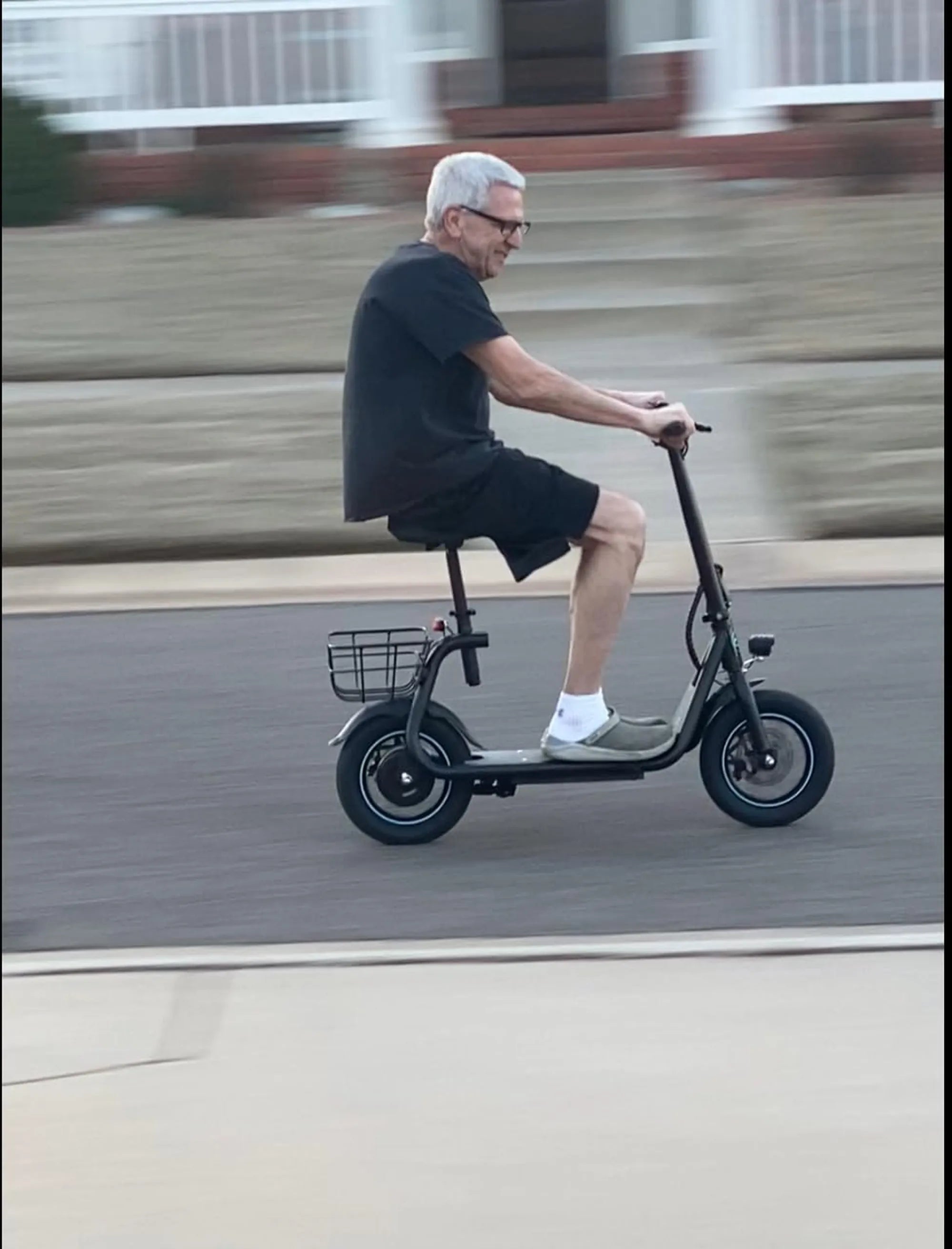
Electric bikes are revolutionizing urban commuting, offering an eco-friendly and cost-effective alternative to traditional transportation. But one question lingers in the minds of potential and current e-bike owners: how much does it cost to charge an electric bike? The answer isn’t as straightforward as you might think, but we’re here to break it down for you.
Understanding the Basics of E-Bike Charging Costs
To determine the cost of charging an electric bike, you need to consider several factors, including battery capacity, electricity rates, and charging efficiency. Here’s a closer look at each:
Battery Capacity
The battery is the heart of your electric bike, and its capacity—measured in watt-hours (Wh)—directly impacts charging costs. A typical e-bike battery ranges from 250Wh to 750Wh, with high-performance models reaching up to 1,000Wh. The larger the battery, the more electricity it consumes during charging.
Electricity Rates
Electricity costs vary by region, time of day, and even the provider. On average, residential electricity rates in the U.S. hover around $0.13 per kWh, but this can fluctuate. To calculate your exact charging cost, multiply your battery’s capacity (in kWh) by your local electricity rate.
Charging Efficiency
Not all the electricity drawn from the outlet makes it into your battery. Charging efficiency typically ranges between 85% to 90%, meaning some energy is lost as heat. To account for this, divide your calculated cost by the efficiency percentage (e.g., 0.85 for 85% efficiency).
Calculating the Cost to Charge Your Electric Bike
Let’s put theory into practice with a real-world example. Suppose you have a 500Wh battery and pay $0.13 per kWh for electricity:
- Convert battery capacity to kWh: 500Wh = 0.5kWh.
- Multiply by electricity rate: 0.5kWh × $0.13 = $0.065 per full charge.
- Adjust for efficiency (assuming 85%): $0.065 ÷ 0.85 ≈ $0.076.
In this scenario, a full charge costs roughly 7.6 cents. Even with larger batteries, the cost remains minimal compared to fueling a car or paying for public transit.
Factors That Influence Charging Costs
While the above calculation provides a baseline, several variables can affect your actual expenses:
Battery Age and Health
Older or degraded batteries may require more frequent charging, increasing long-term costs. Proper maintenance, such as avoiding extreme temperatures and not overcharging, can extend battery life.
Charging Frequency
How often you charge your e-bike depends on usage. Daily commuters may charge nightly, while occasional riders might only need a weekly top-up. Track your riding habits to estimate monthly costs.
Public Charging Stations
Some cities offer free or low-cost public charging stations for e-bikes. While convenient, these may have usage limits or require membership fees. Always check the terms before plugging in.
Tips to Reduce Your E-Bike Charging Costs
Want to save even more? Follow these practical tips:
- Charge during off-peak hours: Electricity rates are often lower late at night or early in the morning.
- Use a smart charger: These devices optimize charging cycles to minimize energy waste.
- Maintain optimal tire pressure: Properly inflated tires reduce rolling resistance, extending your battery’s range per charge.
- Ride in eco mode: Lower assist levels consume less power, reducing how often you need to recharge.
Comparing E-Bike Charging Costs to Other Transport
To put things in perspective, let’s compare the cost of charging an e-bike to other common transportation methods:
| Transport Method | Cost per Mile |
|---|---|
| Electric Bike | $0.004 (based on 7.6 cents per 20-mile range) |
| Gasoline Car | $0.15 (assuming 30 mpg and $4.50/gallon) |
| Public Transit | $0.20 to $0.50 per ride (varies by city) |
The savings are undeniable—especially for daily commuters. Over a year, switching to an e-bike could save you hundreds or even thousands of dollars.
Hidden Costs to Consider
While charging is cheap, don’t overlook these potential expenses:
- Battery replacement: E-bike batteries degrade over time and may need replacement every 3–5 years.
- Charger replacement: Damaged or lost chargers can cost $50–$150 to replace.
- Solar charging setups: While renewable, solar panels require an upfront investment.
Factoring these into your budget ensures no surprises down the road.
Future Trends in E-Bike Charging
As technology advances, charging costs may decrease further. Innovations like fast-charging stations, swappable battery networks, and improved energy storage are on the horizon. Governments and businesses are also investing in infrastructure to support greener transportation.
With charging costs as low as a few cents per ride, electric bikes are not just a wallet-friendly choice—they’re a gateway to a sustainable lifestyle. Whether you’re a daily commuter or a weekend adventurer, knowing the numbers empowers you to ride smarter and save bigger.
Mountain Biking in Majorca: A Thrilling Adventure Awaits
Do You Need a License for an Electric Bike in Victoria? Here’s What You Should Know