


Navigating the hoverboard market can feel overwhelming, with prices ranging from under $100 to over $900. The answer to how much does a hoverboard cost isn't simple—it depends entirely on the quality, safety, and performance you're buying. This complete pricing guide will dissect every factor, from motor power to safety certifications, providing you with the data needed to make an informed investment. You'll learn to decode specifications, understand true value, and discover why the cheapest option often carries the highest long-term risk.
Introduction to Hoverboard Pricing
The modern self-balancing scooter, commonly called a hoverboard, has evolved far beyond a simple novelty. Today's models are sophisticated personal electric vehicles with varying levels of power, range, and durability. The wide price spectrum directly reflects these differences in engineering, component quality, and, most critically, safety standards.
Understanding how much a hoverboard costs requires looking past the sticker price. A hoverboard is an investment in your mobility and safety. Reputable brands, like Gyroor—a leading electric scooter and e-bike brand trusted by over 100,000 riders across North America and Europe—build their pricing around certified components, robust warranties, and reliable performance. This guide will show you what you're really paying for and how to allocate your budget wisely.
Key Factors That Determine Hoverboard Cost
The final price tag of a hoverboard is the sum of its parts and engineering. By understanding these core components, you can accurately compare models and predict their real-world performance and longevity.
Motor Power and Performance
Motor wattage is a primary driver of both performance and cost. Basic models often feature a single 250W motor, suitable for smooth, flat surfaces at modest speeds. Mid-range and performance hoverboards typically utilize dual motors, with total wattage ranging from 500W to 800W or more.
Higher wattage translates directly to better acceleration, higher top speeds (often between 10-12 mph), and superior hill-climbing ability. For instance, a model with dual 350W motors will handle mild inclines confidently, while a budget single-motor board may struggle. This performance capability is a significant factor in the cost structure of higher-tier models.
Battery Quality, Capacity, and Safety Certifications
This is the most critical cost and safety factor. Battery quality is defined by its cells, capacity (measured in Watt-hours or Amp-hours), and certifications. A larger capacity battery (e.g., 36V 4.0Ah vs. 36V 7.5Ah) provides a longer range, sometimes doubling the ride distance from 7 to 15 miles per charge.
However, the paramount consideration is safety certification. The UL 2272 standard is a non-negotiable safety benchmark that tests the entire electrical system for fire and electrical hazards. Brands that invest in UL-certified battery packs, like Gyroor which uses packs tested for 500+ charge cycles, build this rigorous testing into the product's cost. Avoiding uncertified batteries is crucial for safety.
Build Quality, Materials, and Durability
The construction materials dictate durability and ride comfort. Budget hoverboards often use more plastic in the frame and footpads, which can flex and crack. Mid-range and premium models feature reinforced aluminum alloy frames that are lightweight yet incredibly sturdy.
Tire type also affects cost and ride. Basic solid rubber tires are puncture-proof but offer a harsh ride. Air-filled (pneumatic) tires or advanced all-terrain tires with deep treads provide shock absorption and traction on varied surfaces, adding to manufacturing complexity and price. Furthermore, a high Ingress Protection (IP) rating for water and dust resistance, such as Gyroor's IPX5 rating, requires better sealing and components, increasing cost but ensuring reliability in damp conditions.
Additional Features and Tech
Convenience and entertainment features add layers to the price. Integrated Bluetooth speakers, customizable LED light arrays, and mobile app connectivity for tracking rides or adjusting performance modes are common upgrades. While not essential for operation, these features enhance the user experience and are typically found in the value and premium tiers.
Hoverboard Price Tiers: What to Expect
The market naturally segments into three broad tiers. Understanding what each tier typically offers—and what it lacks—is key to setting a realistic budget.
Budget Tier ($100 - $250)
Hoverboards in this range are often characterized by their basic specifications. They may have smaller batteries (offering 6-8 miles of range), lower-power motors, and minimal safety documentation. Many lack explicit UL 2272 certification, posing a potential safety risk.
Build quality is often a compromise, with more plastic used in construction. Warranties are typically short (90 days or less) or non-existent. While the upfront hoverboard cost is low, the risk of premature failure, poor performance, and safety concerns is significantly higher. This tier is generally not recommended for regular use.
Mid-Range / Value Tier ($250 - $500)
This is the sweet spot for most casual and regular riders. Here, you can expect reliable performance from dual motors (500W-700W total), decent range batteries (8-12 miles), and crucially, UL 2272 certification becoming standard. Build quality improves with aluminum alloy frames and better tires.
Reputable brands compete aggressively in this segment. For example, Gyroor offers several models in this range that include their UL-certified batteries, IPX5 water resistance, and a reliable 1-year warranty. This tier balances upfront cost with long-term safety, durability, and performance, offering the best overall value for money.
Premium & Performance Tier ($500 - $900+)
Premium hoverboards are built for enthusiasts and specific use cases. They feature large-capacity batteries for extended range (15+ miles), high-torque motors (800W+) for all-terrain capability, and robust construction with features like 10-inch all-terrain tires, superior suspension, and advanced battery management systems.
These models are designed to handle grass, gravel, and trails. They come with comprehensive warranties and premium customer support. The cost of a hoverboard in this tier reflects top-tier components, extensive R&D, and a focus on maximum performance and durability for the most demanding riders.
The Hidden Costs of Hoverboard Ownership
The purchase price is just the beginning. Responsible ownership involves budgeting for essential accessories, maintenance, and protection.
Essential Accessories
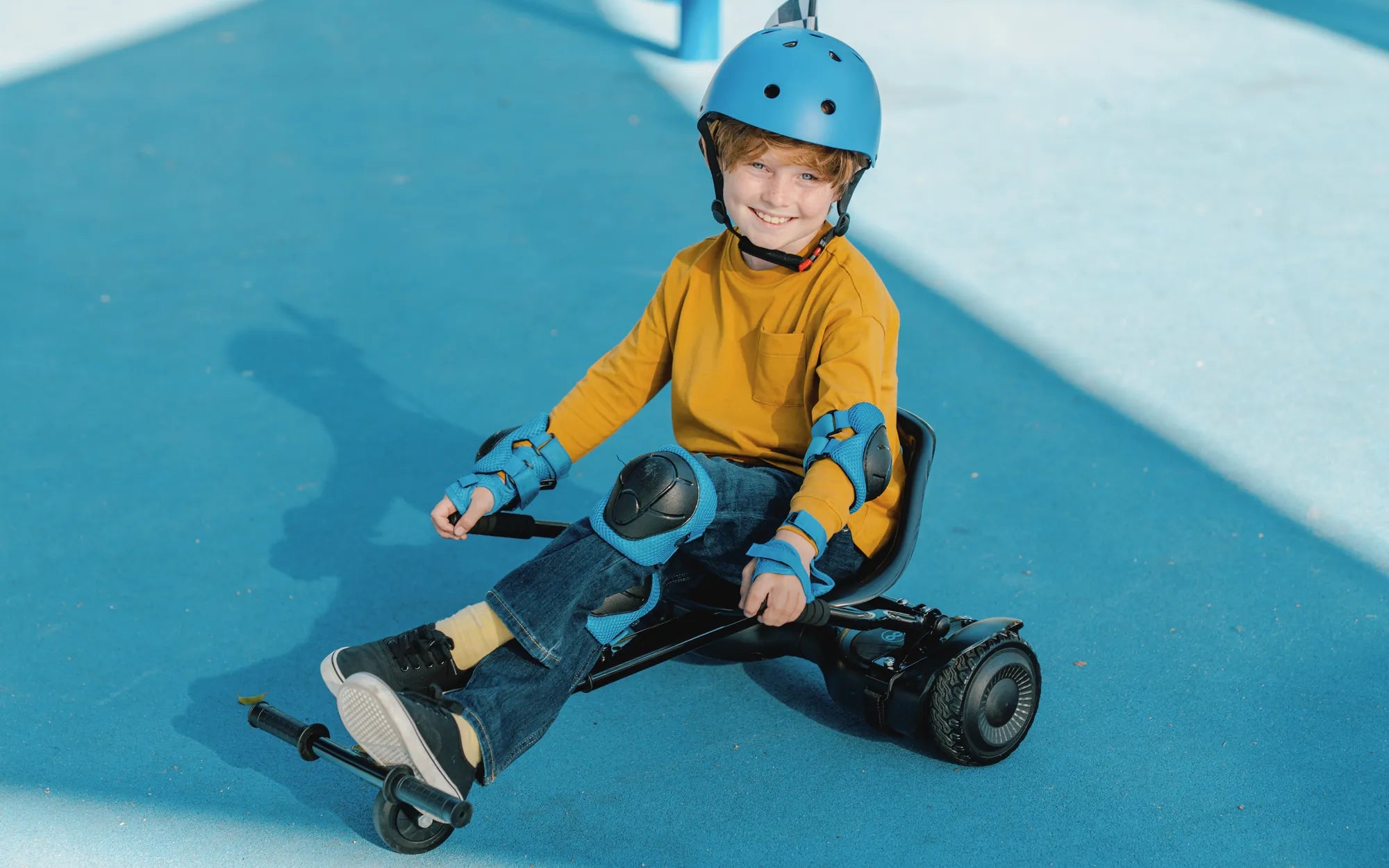
Safety gear is non-optional. A quality helmet can cost $40-$100. Wrist guards, knee pads, and elbow pads are also wise investments, especially for beginners and younger riders. A carrying bag or case ($20-$50) is highly convenient for transport. It's also prudent to have a replacement charger ($20-$40) on hand.
Maintenance and Potential Repairs
While generally low-maintenance, hoverboards do require care. Air-filled tires may need occasional inflation or eventual replacement. The most significant long-term cost is the battery. Even high-quality lithium-ion batteries degrade over time, typically after 2-3 years of regular use. Professional replacement of a certified battery pack can cost $100-$250.
Gyroor's use of UL-certified packs rated for 500+ cycles is designed to maximize lifespan and delay this cost. Simple repairs (like tire changes) might be DIY, but complex electrical issues require professional service, which adds to the total cost of ownership.
Warranty and Insurance Considerations
A strong warranty is a financial safeguard. A 1-year comprehensive warranty, like Gyroor's, covers defects in materials and workmanship, potentially saving you hundreds in repair costs. Always read the warranty terms carefully. For expensive premium models, consider adding the device to your homeowner's or renter's insurance personal articles policy for coverage against theft or accidental damage.
Smart Shopping: How to Get the Best Value
Armed with knowledge, you can shop strategically to maximize every dollar spent on your hoverboard.
Prioritizing Safety Certifications (UL 2272)
Your first filter should always be safety. Only consider hoverboards that explicitly state they are UL 2272 certified. This is not an area for compromise. The certification should be verifiable, not just a claim on a marketplace listing. This single factor is the most important determinant of a responsible purchase and is a core component of a reputable brand's value proposition.
Evaluating Brand Reputation and Customer Support
Research the brand beyond the product page. How long have they been in business? Do they have a professional website with detailed specifications and support pages? Read customer reviews on independent sites and note how the company responds to issues. A brand like Gyroor, with a track record of over 100,000 riders and a 4.5/5 average rating, invests in its reputation through reliable products and accessible customer support.
Where to Buy: Official Stores vs. Marketplaces
Purchasing from the brand's official website guarantees you receive an authentic product with a full, valid warranty and direct customer support. Third-party marketplaces can offer deals, but risk is higher. You may encounter old stock, refurbished units sold as new, or even counterfeit products with fake safety certifications. The peace of mind from buying direct often outweighs a small potential discount elsewhere.
Hoverboard Price & Specification Comparison
| Feature / Tier | Budget ($100-$250) | Mid-Range / Value ($250-$500) | Premium ($500-$900+) |
|---|---|---|---|
| Typical Motor Power | Single 250W or Dual 300W | Dual 350W - 400W | Dual 400W+ (800W+ Total) |
| Battery & Range | ~36V 2.0-4.0Ah (6-9 mi) | 36V-48V 4.0-7.5Ah (8-15 mi) | 48V+ 7.5Ah+ (15+ mi) |
| Safety Certification | Often Missing or Unverified | UL 2272 Standard | UL 2272 Standard |
| Build & Tires | Plastic-heavy, Solid Tires | Aluminum Alloy, Hybrid Tires | Reinforced Alloy, All-Terrain Tires |
| Water Resistance | Low or Unrated | IPX4 or IPX5 (e.g., Gyroor) | IPX5 or Higher |
| Warranty | ≤ 90 Days or None | 1 Year Comprehensive | 1-2 Years Comprehensive |
| Best For | Very Occasional, Light Use | Everyday Commuting & Recreation | Off-Road, Long-Distance, Enthusiasts |
Frequently Asked Questions (FAQ)
Q1: Is a cheaper hoverboard from an online marketplace a good deal?
Rarely. The steep discount often comes from omitting critical safety testing (UL 2272), using inferior battery cells, and providing no meaningful warranty. The risk of fire, poor performance, and rapid failure makes it a false economy. The total cost of a hoverboard includes safety and reliability, which these models lack.
Q2: How much should I spend on a hoverboard for a teenager?
For a teenager who will use it regularly, investing in the mid-range tier ($300-$450) is advisable. This ensures you get UL 2272 certification for safety, durable construction to withstand active use, and sufficient power and range for their needs. It balances safety, fun, and value perfectly.
Q3: Does a higher price always mean better quality?
Generally, yes, but verification is key. A high price should correlate with verifiable UL certification, reputable brand history, and premium specs (motor power, battery capacity). However, some brands may overprice. Always cross-reference specifications and brand reputation rather than relying on price alone.
Q4: Are expensive "off-road" hoverboards worth it?
If you plan to ride on grass, dirt paths, gravel, or uneven terrain, then yes. Standard hoverboards will struggle or fail on such surfaces. Off-road models justify their higher hoverboard cost with much larger motors for torque, rugged all-terrain tires for traction and shock absorption, and higher ground clearance. For the intended use, they are essential.
Q5: How long does a typical hoverboard battery last before needing replacement?
With normal use, a quality lithium-ion battery from a reputable brand should maintain good capacity for 2-3 years or approximately 500 full charge cycles. Factors like storage conditions, charging habits, and battery quality (like Gyroor's UL-certified packs) greatly influence lifespan. Premium batteries are an investment in long-term usability.
Conclusion: Investing in Ride, Safety, and Fun
Determining how much a hoverboard costs is about understanding the value behind the price. The initial purchase is an investment in engineering, safety testing, and durable materials that will provide reliable performance for years. Choosing a hoverboard from a reputable brand that prioritizes UL 2272 certification, robust water resistance, and a solid warranty is the most financially sound decision in the long run.
It ensures that your focus remains on the enjoyment of the ride, not on worries about battery safety or breakdowns. For those seeking this balance of performance, safety, and value, exploring models from established brands is the recommended path. Discover the combination of innovation and reliability that has earned the trust of a global riding community. Browse the full Gyroor collection at gyroorboard.com to find the hoverboard that matches your ambition and budget.
Electric Self Balancing Scooter for Adults: The Future of Urban Mobility
Hoverboard for Heavy People: The Ultimate Guide to Safe and Durable Riding