


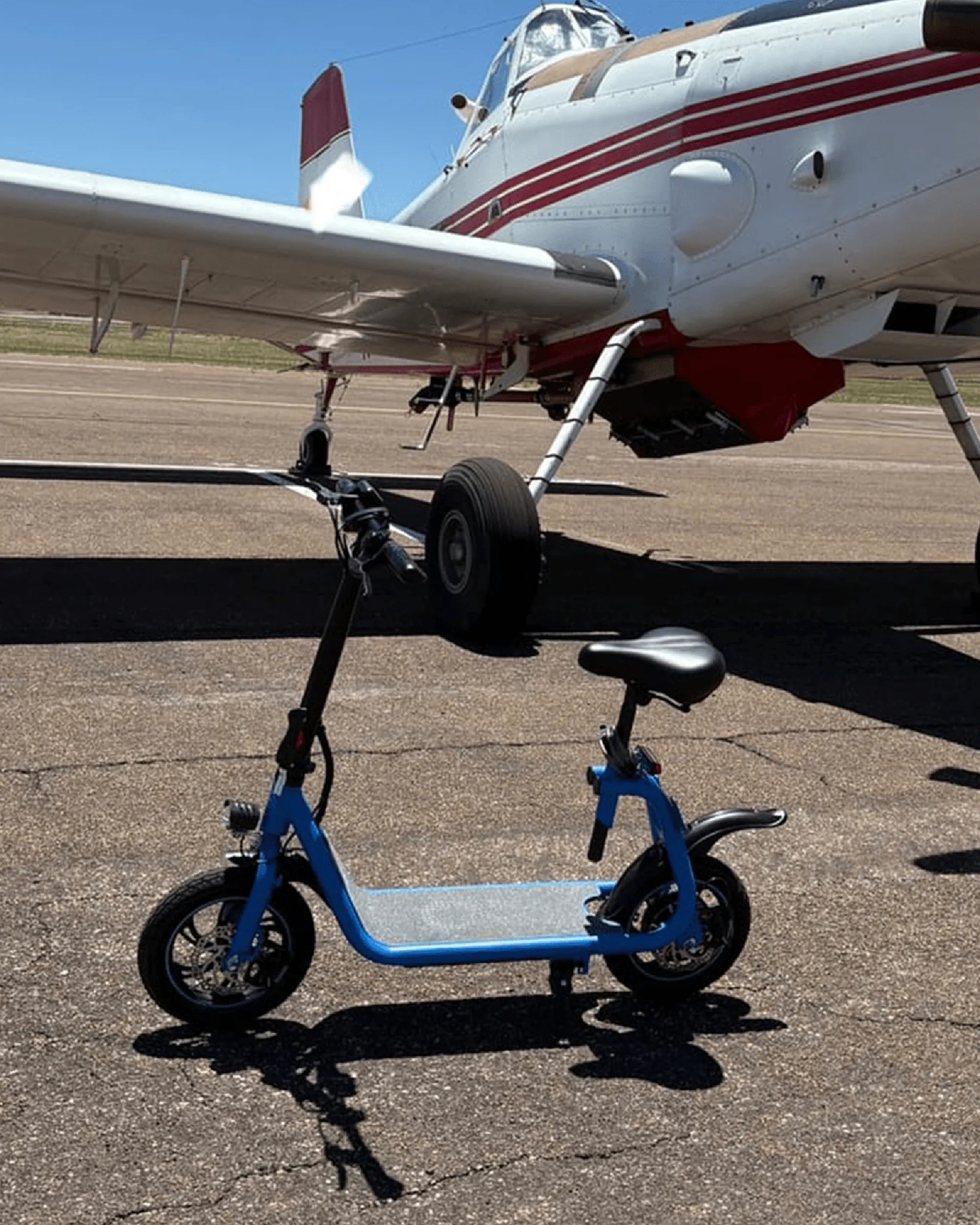
Ever wondered how much it costs to turn your ordinary bicycle into a high-tech electric ride? The answer isn't as straightforward as you might think. Converting a bike to electric involves several components, labor, and sometimes unexpected expenses. Whether you're a DIY enthusiast or considering a professional conversion, knowing the breakdown will help you budget wisely.
Key Components of an Electric Bike Conversion
To understand the cost of making a bike electric, you first need to know the essential parts required for the conversion. Here are the primary components:
- Electric Motor: The heart of your e-bike, available in hub motors or mid-drive systems.
- Battery: Determines your bike's range and power, with lithium-ion being the most common choice.
- Controller: Acts as the brain, regulating power between the motor and battery.
- Throttle or Pedal Assist System (PAS): Lets you control speed manually or through pedaling.
- Display Unit: Shows speed, battery level, and other metrics.
- Wiring and Connectors: Ensures all components communicate seamlessly.
Cost Breakdown of Each Component
Now, let's dive into the estimated costs for each part:
| Component | Price Range (USD) |
|---|---|
| Electric Motor | $150 - $800 |
| Battery | $300 - $1,000 |
| Controller | $50 - $200 |
| Throttle or PAS | $20 - $100 |
| Display Unit | $30 - $150 |
| Wiring and Connectors | $20 - $100 |
These prices can vary based on quality, brand, and where you purchase them. A basic DIY conversion might cost around $500, while a high-end setup could exceed $2,000.
Additional Costs to Consider
Beyond the core components, there are other expenses that might come into play:
- Tools: If you don't already own them, you may need specialized tools for installation.
- Professional Installation: Hiring a mechanic can add $100 - $300 to your total cost.
- Upgrades: Better brakes, tires, or suspension might be necessary to handle the added weight and speed.
- Shipping and Taxes: Import fees or shipping costs can increase the overall price.
Factors That Influence the Total Cost
Several variables can affect how much you'll spend on your electric bike conversion:
- Bike Compatibility: Not all bikes are easy to convert. Some may require extensive modifications.
- Motor Type: Hub motors are generally cheaper than mid-drive systems.
- Battery Capacity: Higher capacity means longer range but also a higher price.
- Quality of Components: Premium parts last longer but come at a premium cost.
- DIY vs. Professional: Doing it yourself saves labor costs but requires technical skills.
Is Converting a Bike to Electric Worth It?
Converting a bike to electric can be a cost-effective alternative to buying a pre-built e-bike, especially if you already own a quality bicycle. However, it's essential to weigh the pros and cons:
- Pros: Customization, potential cost savings, and the satisfaction of a DIY project.
- Cons: Time-consuming, potential compatibility issues, and no warranty on the conversion.
If you're handy with tools and enjoy tinkering, a DIY conversion could be a rewarding experience. Otherwise, investing in a ready-made e-bike might save you time and hassle.
Ready to electrify your ride? Whether you choose to DIY or go pro, understanding the costs upfront ensures you won't be caught off guard. With the right components and a bit of patience, you'll be cruising on your custom e-bike in no time!
Mountain Biking in Peak District: Trails, Tips, and Thrills
1800W Electric Bike: The Ultimate Guide to Power, Performance, and Adventure