

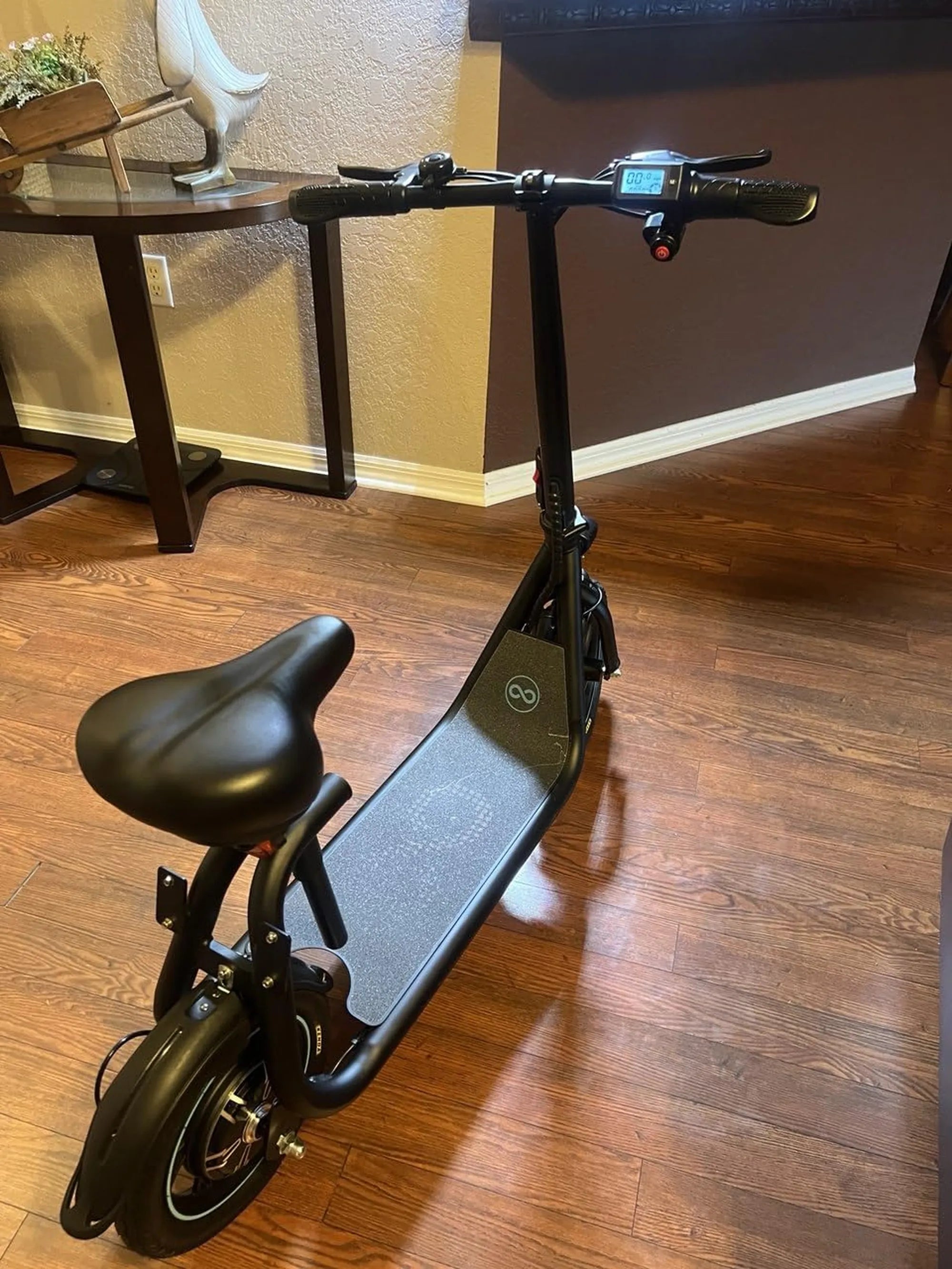
Electric bikes are revolutionizing urban mobility, offering a greener and more cost-effective way to commute. But one question lingers in the minds of potential buyers and current owners alike: how much electricity does an electric bike use? Understanding this can help riders optimize their energy consumption, save money, and reduce their carbon footprint. Let’s dive into the details.
Factors Affecting Electric Bike Electricity Consumption
Several variables influence how much power an e-bike consumes. Here are the key factors:
- Battery Capacity: Measured in watt-hours (Wh), a higher-capacity battery stores more energy but also requires more electricity to charge.
- Motor Power: Motors with higher wattage (e.g., 500W vs. 250W) consume more electricity, especially when riding uphill or at high speeds.
- Rider Weight and Cargo: Heavier loads demand more energy from the motor.
- Terrain and Riding Conditions: Hills, rough terrain, and frequent stops increase energy use.
- Assist Level: Higher pedal-assist modes drain the battery faster.
- Speed: Riding at top speed consistently consumes more power than moderate cruising.
Calculating Electricity Consumption
To estimate how much electricity an e-bike uses, follow this simple formula:
Electricity Consumption (kWh) = Battery Capacity (Wh) ÷ 1,000 × Charging CyclesFor example, a 500Wh battery charged once daily for a month would consume:
500Wh ÷ 1,000 × 30 = 15 kWh per monthThis is roughly equivalent to running a microwave for 15 hours or powering a laptop for 150 hours.
Cost of Charging an Electric Bike
Electricity costs vary by region, but on average, charging an e-bike costs between $0.10 and $0.30 per full charge. For a 500Wh battery:
- At $0.10 per kWh: $0.05 per charge
- At $0.30 per kWh: $0.15 per charge
Compared to the cost of gasoline for cars or public transportation, e-bikes are significantly cheaper to operate.
Tips to Reduce Electricity Usage
Want to stretch your e-bike’s battery life? Try these strategies:
- Use Lower Assist Levels: Rely more on pedaling and only use high assist when necessary.
- Maintain Proper Tire Pressure: Underinflated tires increase rolling resistance.
- Avoid Excessive Weight: Carry only what you need.
- Plan Efficient Routes: Avoid steep hills and stop-and-go traffic when possible.
- Keep the Battery Healthy: Store it in a cool, dry place and avoid full discharges.
Environmental Impact of E-Bike Electricity Use
E-bikes are far more energy-efficient than cars, even when accounting for electricity generation. A typical e-bike consumes about 1-2% of the energy a car uses per mile. If charged using renewable energy sources, their carbon footprint becomes negligible.
Comparing E-Bikes to Other Modes of Transport
Here’s how e-bikes stack up against other transportation methods in terms of energy use:
| Transportation Method | Energy Consumption (per mile) |
|---|---|
| Electric Bike | 10-20 Wh |
| Gasoline Car | 1,000-1,500 Wh |
| Public Transit (Bus) | 300-600 Wh |
| Walking | ~100 Wh (human energy) |
E-bikes are clearly one of the most energy-efficient ways to get around.
Myths About E-Bike Electricity Use
Some common misconceptions include:
- "E-bikes use as much electricity as a refrigerator." False—most e-bikes use less than 1 kWh per week.
- "Charging overnight wastes energy." Modern chargers stop drawing power once the battery is full.
- "Solar charging isn’t practical." Small solar panels can easily charge an e-bike battery.
Understanding the facts helps riders make informed decisions.
Future of E-Bike Energy Efficiency
Advancements in battery technology, regenerative braking, and lightweight materials will further reduce e-bike electricity consumption. As renewable energy becomes more widespread, e-bikes will play an even bigger role in sustainable transportation.
Electric bikes are a game-changer for eco-conscious commuters, and their energy use is surprisingly low. By optimizing your riding habits and understanding the factors that affect consumption, you can enjoy a cost-effective, efficient, and environmentally friendly ride. Ready to make the switch?
Fastest Electric Scooter UK 2025: The Future of High-Speed Commuting
Can You Carry an E-Scooter to the Airport? Everything You Need to Know