



Imagine gliding effortlessly above the ground, defying gravity like a scene straight out of a sci-fi movie. Hoverboards have captured our collective imagination for decades, but how old are they really? The answer might surprise you. From early prototypes to the sleek, self-balancing scooters we see today, hoverboards have undergone a remarkable evolution. Let’s dive into their fascinating journey.
The Early Dreams of Hover Technology
Long before hoverboards became a reality, the idea of levitating devices was a staple of science fiction. The concept gained mainstream attention in the 1980s, thanks to iconic films that depicted characters effortlessly gliding on floating boards. While these depictions were purely fictional, they sparked a wave of curiosity and innovation.
In the late 20th century, inventors and engineers began experimenting with magnetic levitation and air cushion technology. Early attempts were clunky and impractical, but they laid the groundwork for future developments. These prototypes were far from the sleek, portable devices we know today, but they proved that hover technology wasn’t just a pipe dream.
The Rise of Self-Balancing Scooters
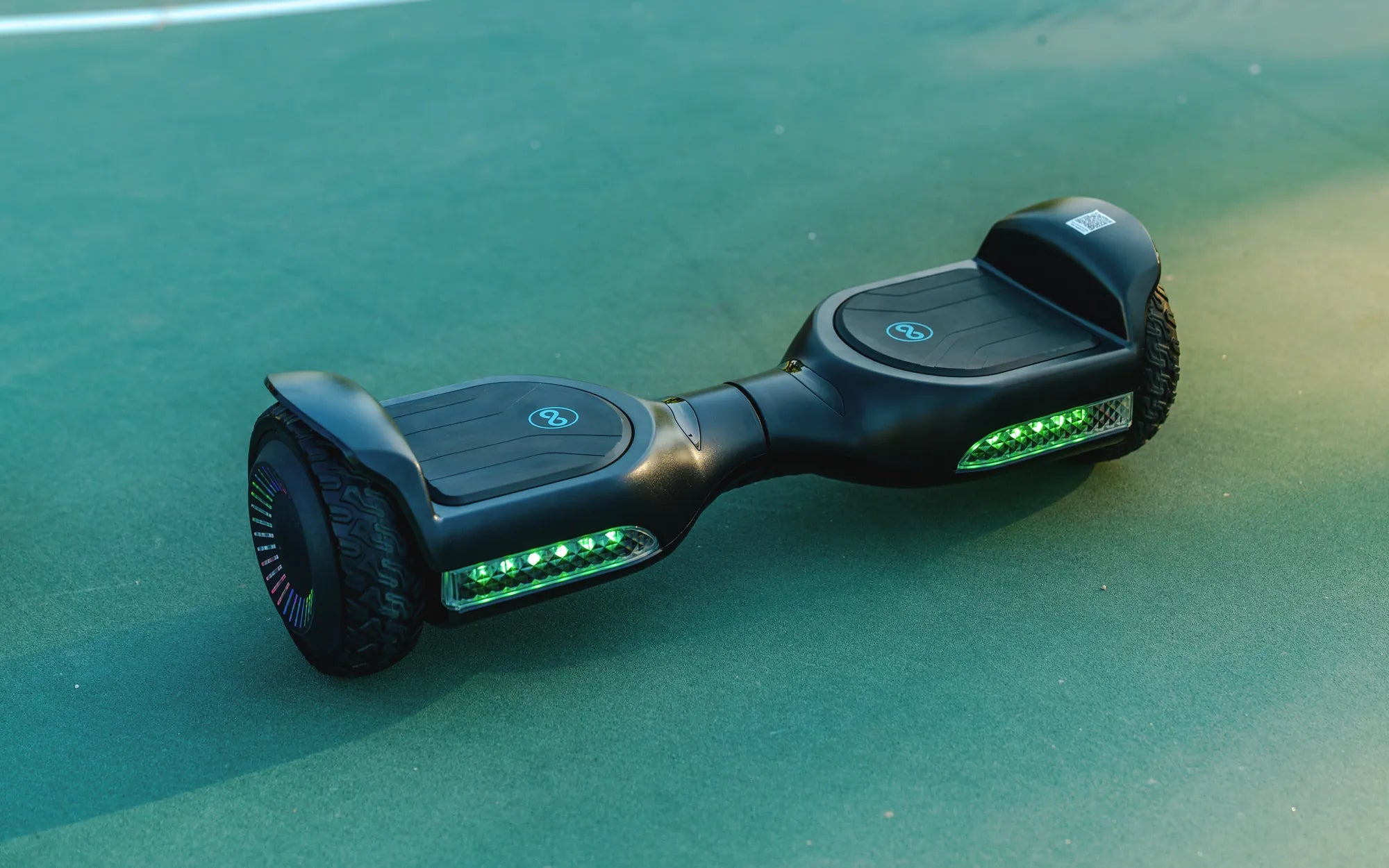
The term "hoverboard" took on a new meaning in the early 2010s with the introduction of self-balancing scooters. These devices, which relied on gyroscopic technology to maintain balance, quickly became a cultural phenomenon. Though they didn’t actually hover, their intuitive controls and futuristic design earned them the nickname "hoverboards."
By 2015, these gadgets were everywhere—from city sidewalks to viral YouTube videos. Their popularity soared, but so did concerns about safety. Reports of overheating batteries and sudden malfunctions led to recalls and stricter regulations. Despite these challenges, the hoverboard craze demonstrated the public’s appetite for innovative personal transportation.
Breakthroughs in Real Hover Technology
While self-balancing scooters dominated the market, researchers continued to pursue true hover technology. Advances in magnetic levitation and superconductors brought us closer to the dream of frictionless movement. Experimental hoverboards began appearing at tech expos, showcasing the potential for real levitation.
One notable breakthrough came with the development of hoverboards that used powerful magnets to float above conductive surfaces. These devices, though limited to specific tracks, offered a glimpse into a future where hoverboards could become a practical mode of transport. The technology is still in its infancy, but progress is undeniable.
The Future of Hoverboards
Today, hoverboards exist in a fascinating limbo between fantasy and reality. Self-balancing scooters remain popular, while true hover technology continues to advance. Engineers are exploring new materials and energy sources to make levitation more accessible and efficient.
Imagine a world where hoverboards are as common as bicycles—where commuting means gliding above the pavement without a single bump. With each passing year, that future feels a little closer. The journey of hoverboards is far from over, and the next chapter promises to be even more exciting.
From sci-fi dreams to cutting-edge gadgets, hoverboards have come a long way. Whether you’re a tech enthusiast or just curious about the future of transportation, one thing is clear: the age of hoverboards is just beginning. Stay tuned for what’s next.
14 Month Old Toddler on Hoverboard: Safety, Risks, and Parental Guidance
Are Hoverboards Safe for Adults? Exploring the Risks and Benefits