

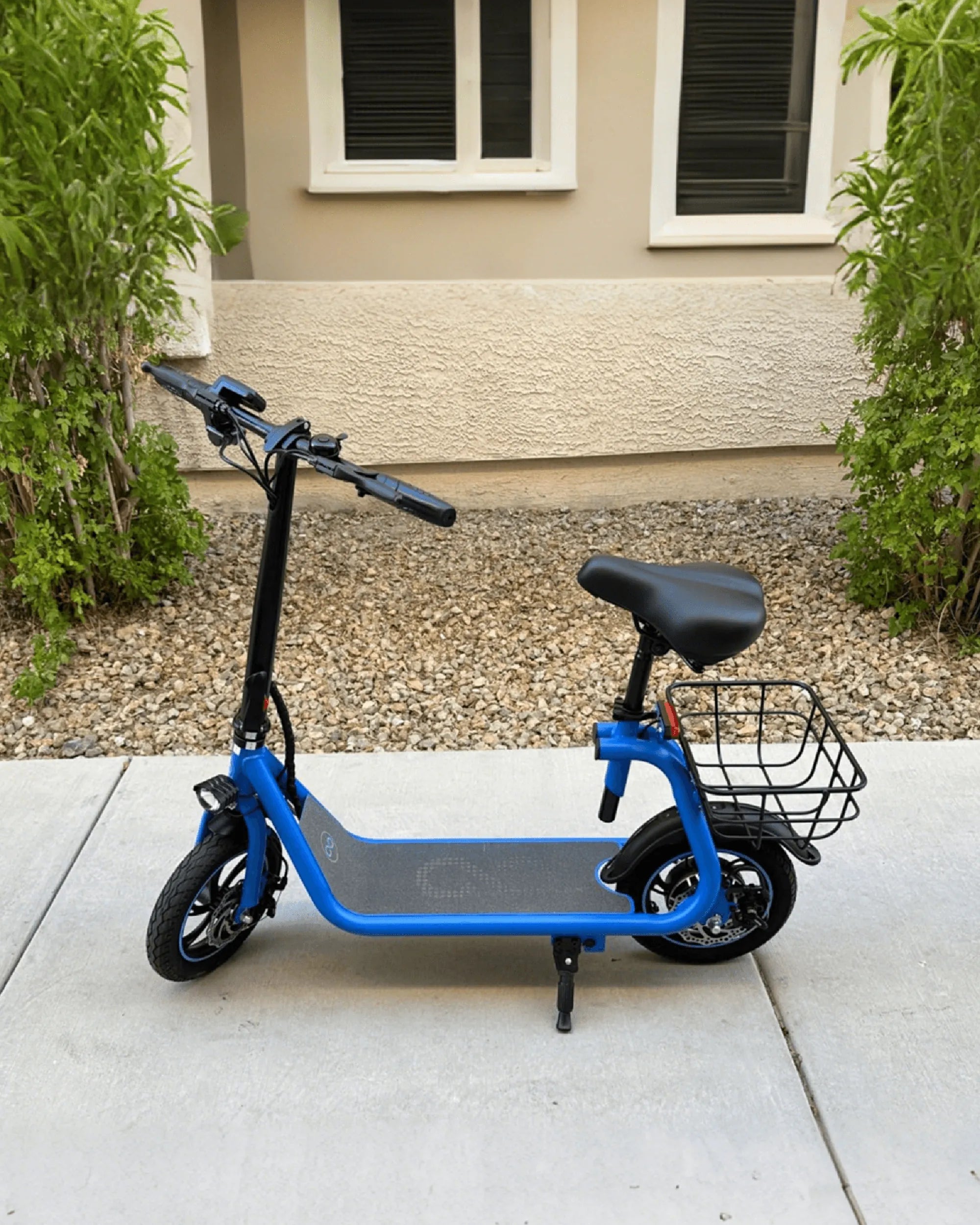
Electric scooters are a convenient and eco-friendly way to commute, but their limited battery life can be a drawback. If you're tired of running out of power mid-ride, adding an extra battery to your electric scooter could be the solution. This guide will walk you through the entire process, ensuring you can enjoy longer rides without frequent recharging.
Why Add an Extra Battery to Your Electric Scooter?
Before diving into the installation process, it's important to understand the benefits of adding an extra battery. An additional battery can significantly extend your scooter's range, allowing you to travel farther without worrying about running out of power. It also reduces the strain on the primary battery, potentially prolonging its lifespan. Whether you're a daily commuter or an adventure seeker, an extra battery can enhance your riding experience.
Compatibility Check: Is Your Scooter Ready?
Not all electric scooters are designed to accommodate an extra battery. Start by checking your scooter's manual or consulting the manufacturer's guidelines to ensure compatibility. Look for a secondary battery port or confirm whether the scooter's electrical system can handle the additional load. If your scooter lacks built-in support, you may need to purchase a compatible battery kit or consult a professional for modifications.
Choosing the Right Battery
Selecting the right battery is crucial for optimal performance. Consider factors like voltage, capacity, and weight. The new battery should match your scooter's voltage to avoid electrical issues. Capacity, measured in ampere-hours (Ah), determines how much energy the battery can store—higher capacity means longer range. However, a heavier battery may affect your scooter's handling, so strike a balance between capacity and weight.
Tools and Materials You'll Need
Gather the necessary tools and materials before starting the installation. You'll typically need:
- A compatible extra battery
- Basic tools (screwdrivers, wrenches, etc.)
- Electrical tape or heat-shrink tubing
- Wire connectors or soldering equipment
- A multimeter for testing connections
Step-by-Step Installation Guide
Step 1: Safety First
Disconnect the scooter's main battery and turn off the power to avoid electrical shocks. Work in a dry, well-ventilated area to prevent accidents.
Step 2: Locate the Battery Compartment
Identify where the new battery will be installed. Some scooters have dedicated compartments, while others may require creative placement. Ensure the battery is securely mounted to avoid vibrations or damage during rides.
Step 3: Connect the Battery
Follow the wiring diagram provided with your battery kit. Connect the positive and negative terminals correctly to avoid short circuits. Use wire connectors or solder the connections for a secure fit, then insulate them with electrical tape or heat-shrink tubing.
Step 4: Test the Connection
Use a multimeter to verify the voltage and ensure the connections are secure. Turn on the scooter and check if the new battery is functioning properly. Monitor the scooter's performance during a short test ride.
Step 5: Secure the Battery
Once everything is working, secure the battery in place using brackets or straps. Make sure it doesn't interfere with the scooter's moving parts or your riding comfort.
Maintenance Tips for Your Extra Battery
To maximize the lifespan of your extra battery, follow these maintenance tips:
- Avoid overcharging or fully depleting the battery.
- Store the scooter in a cool, dry place when not in use.
- Regularly inspect the connections for wear or corrosion.
- Charge both batteries simultaneously if your scooter supports it.
Potential Challenges and Solutions
Adding an extra battery isn't always straightforward. Common challenges include:
- Weight Distribution: An unbalanced scooter can be harder to control. Position the battery centrally or symmetrically to maintain stability.
- Electrical Overload: If the scooter's motor or controller isn't designed for extra power, it may overheat. Consult a professional if you notice performance issues.
- Legal Restrictions: Some regions have regulations on modifying electric vehicles. Check local laws before proceeding.
Alternative Solutions for Extended Range
If adding an extra battery seems too complex, consider these alternatives:
- Upgrade to a higher-capacity primary battery.
- Optimize your riding habits (e.g., lower speeds, avoiding steep hills).
- Carry a portable charger for emergencies.
With an extra battery installed, your electric scooter can take you farther than ever before. No more cutting rides short or searching for charging stations—just uninterrupted freedom on the road. Follow this guide carefully, and you'll be ready to hit the streets with confidence and extended power.
Cheap Electric Scooter for Heavy Adults with Seat: The Ultimate Guide
Best 30 mph Electric Scooter UK: Top Picks for Speed and Performance