


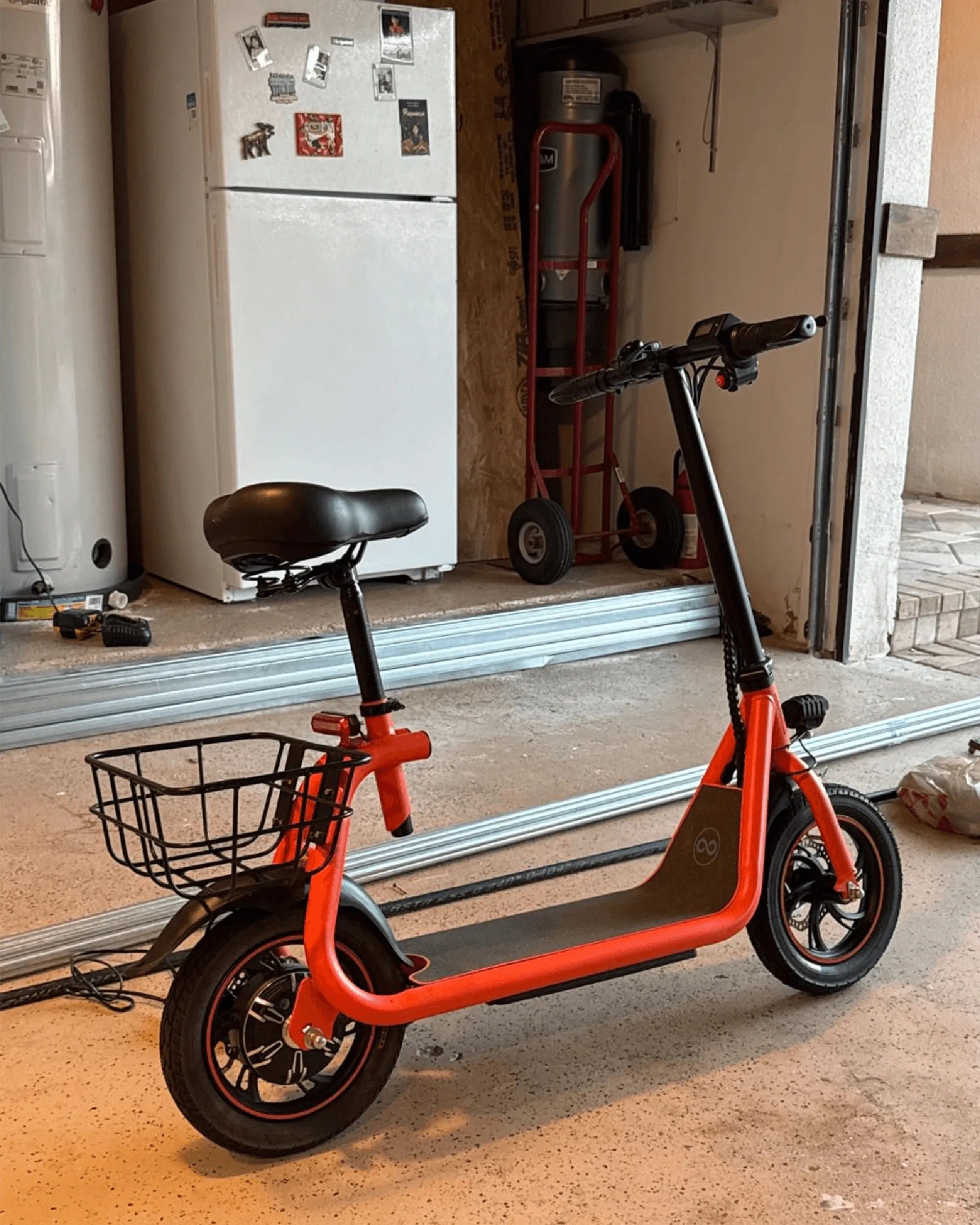
Riding a scooter for the first time can feel intimidating, especially when it comes to balancing. But with the right techniques and practice, anyone can master this essential skill. Whether you're a complete novice or just looking to refine your balance, this guide will walk you through everything you need to know.
Understanding the Basics of Scooter Balance
Before hopping on your scooter, it's important to understand how balance works. A scooter relies on your body's ability to maintain equilibrium while in motion. Your feet, legs, and core muscles all play a role in keeping you steady. Start by standing on the scooter with one foot on the deck and the other on the ground to get a feel for its weight and stability.
Finding Your Stance
The way you position your feet is crucial for maintaining balance. Most riders prefer a slightly staggered stance, with one foot forward and the other slightly back. Experiment to find what feels most natural for you. Keep your knees slightly bent to absorb shocks and maintain flexibility.
Starting Slow and Controlled
Begin by pushing off gently with one foot while keeping the other on the deck. Focus on keeping your weight centered over the scooter. Avoid leaning too far forward or backward, as this can cause instability. Start with short, slow rides to build confidence before attempting longer distances.
Using Your Arms for Stability
Your arms can help you balance by acting as counterweights. Hold the handlebars firmly but not too tightly, and allow your arms to move naturally with the scooter's motion. If you feel yourself wobbling, gently adjust your arm position to regain stability.
Practicing Turns and Maneuvers
Once you're comfortable riding straight, practice making gentle turns. Lean slightly in the direction you want to go, using your body weight to guide the scooter. Start with wide turns and gradually work your way to tighter ones as your balance improves.
Building Confidence with Repetition
Like any skill, balancing a scooter takes practice. Set aside time each day to ride, even if it's just for a few minutes. Over time, your muscles will develop muscle memory, making balancing feel more natural and effortless.
Common Mistakes to Avoid
Beginners often make a few common mistakes, such as looking down at their feet or gripping the handlebars too tightly. Keep your gaze forward and relax your grip to maintain better control. Also, avoid sudden movements, which can throw off your balance.
Safety Tips for Beginners
Always wear protective gear, such as a helmet and knee pads, to minimize the risk of injury. Choose smooth, flat surfaces for practice, and avoid crowded or uneven areas until you're more confident in your abilities.
Mastering how to balance a scooter for beginners is all about patience and persistence. With these tips, you'll be gliding smoothly in no time, ready to explore new paths and enjoy the freedom of riding.
Adult Electric Scooter: The Future of Urban Commuting and Adventure
Self Balance Scooter Battery Problem: Causes, Solutions, and Prevention Tips