


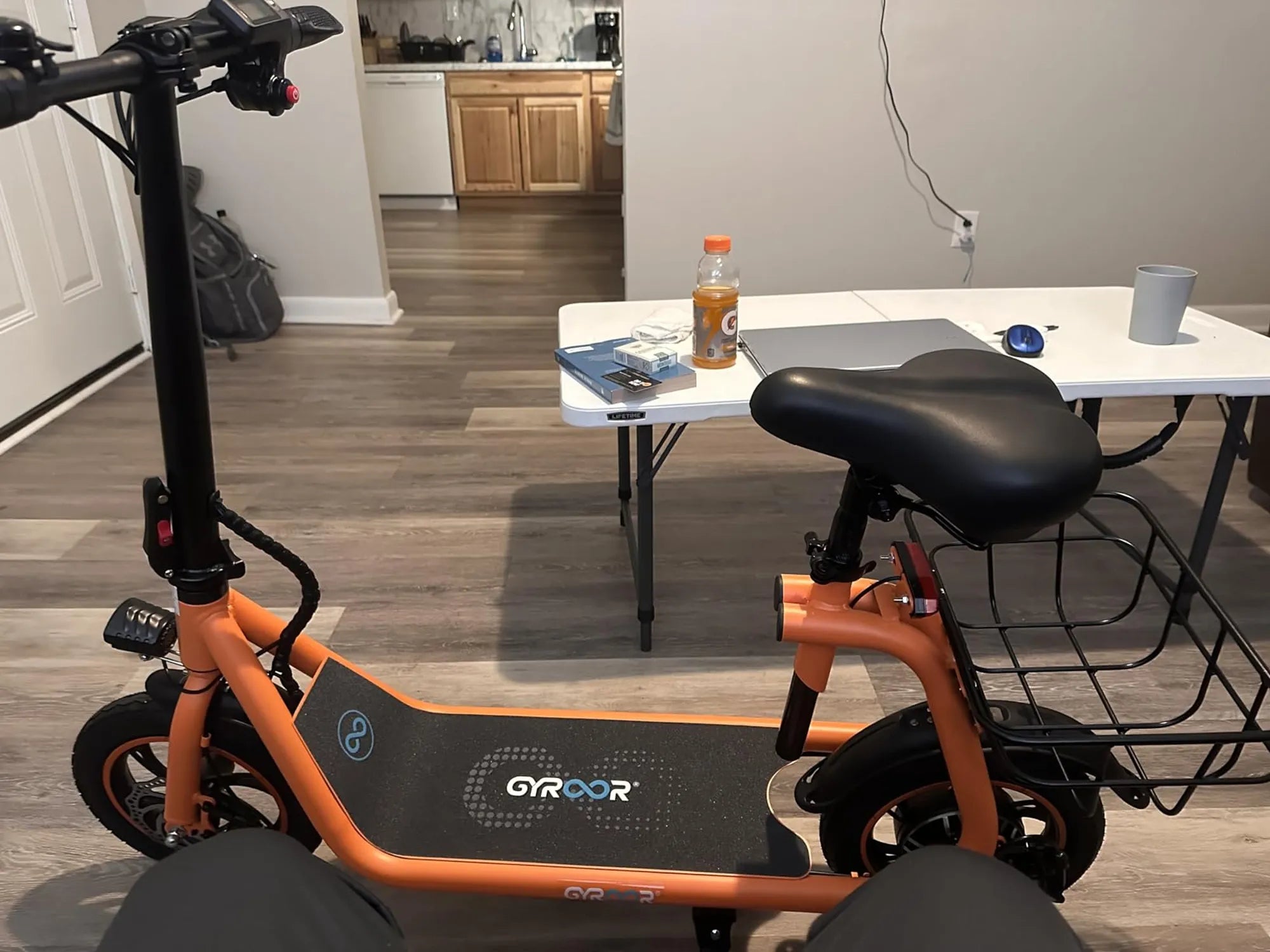
Riding a scooter is a fun and efficient way to get around, but it all starts with mastering your balance. Whether you're a beginner or looking to refine your skills, understanding how to distribute your weight and maintain stability is key. Let's dive into the techniques that will keep you upright and confident on your scooter.
Understanding the Basics of Scooter Balance
Balancing on a scooter requires a combination of posture, core strength, and coordination. Unlike bicycles, scooters have a smaller platform and rely heavily on your ability to adjust your body weight. Start by standing on the scooter with your feet shoulder-width apart, knees slightly bent, and your dominant foot forward. This stance provides a stable base and allows for quick adjustments.
Proper Foot Placement
Where you place your feet matters. Your front foot should be angled slightly outward, while your back foot rests perpendicular to the deck. This positioning helps you maintain control when turning or stopping. Avoid standing too close to the edges, as it can make the scooter wobble. Instead, center your weight over the deck for optimal stability.
Engaging Your Core
Your core muscles play a crucial role in maintaining balance. Tightening your abs and keeping your back straight will help you stay upright, especially when navigating bumps or uneven terrain. Practice engaging your core while standing still on the scooter to build muscle memory.
Weight Distribution Techniques
Shifting your weight correctly is essential for smooth turns and stops. Lean slightly forward when accelerating and backward when braking. For turns, shift your weight to the side you're turning toward while keeping your shoulders aligned with the handlebars. Avoid sudden movements, as they can throw off your balance.
Practicing in a Safe Environment
Start in a flat, open area free of traffic or obstacles. Practice starting, stopping, and turning at slow speeds until you feel comfortable. As your confidence grows, gradually increase your speed and try more challenging maneuvers. Consistency is key—regular practice will improve your balance over time.
Common Mistakes to Avoid
Many beginners make the mistake of locking their knees or gripping the handlebars too tightly. This can lead to stiffness and reduce your ability to react quickly. Stay relaxed, keep your movements fluid, and trust your body's natural ability to adjust. Also, avoid looking down at your feet—focusing ahead will help you maintain better balance.
Advanced Tips for Better Control
Once you've mastered the basics, experiment with shifting your weight dynamically. Try lifting your back foot slightly when turning or using your hips to guide the scooter. These small adjustments can make a big difference in your overall control and confidence.
Balancing on a scooter is a skill that improves with patience and practice. By focusing on your posture, weight distribution, and core strength, you'll soon ride with ease and confidence. Ready to take your scooter skills to the next level? Grab your helmet and hit the pavement—your smooth, balanced ride awaits!
Electric Scooter Age Limit Germany: What You Need to Know
Electric Scooter Max Load 300lbs: The Ultimate Guide for Heavy Riders