

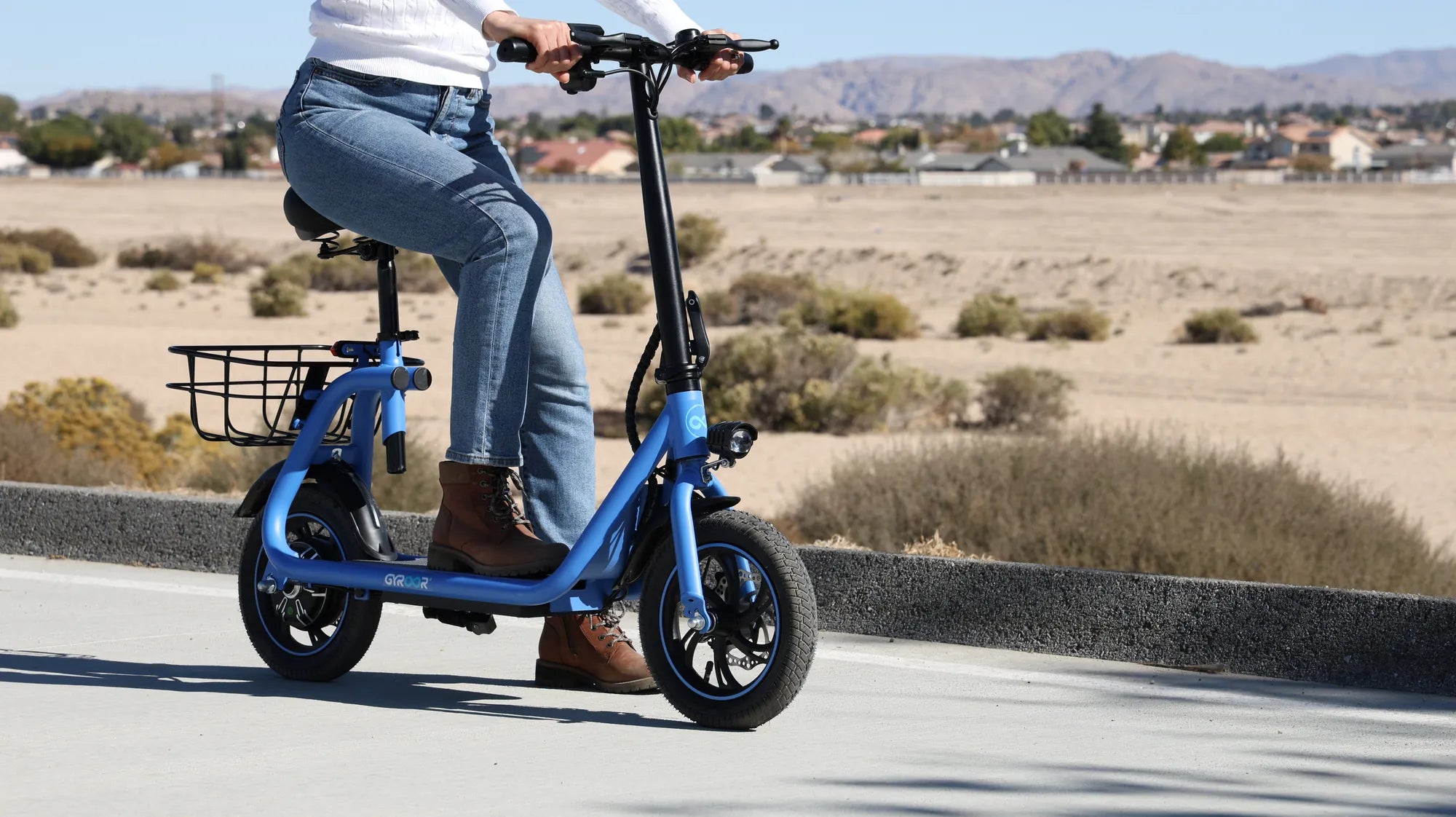
Charging an electric scooter at home is a simple process, but doing it correctly can make a big difference in battery longevity and safety. Whether you're a new rider or a seasoned commuter, understanding the right way to charge your scooter ensures you get the most out of every ride.
Understanding Your Electric Scooter's Battery
Before plugging in your scooter, it's important to know the type of battery it uses. Most modern electric scooters come with lithium-ion batteries, which are lightweight, efficient, and long-lasting. These batteries require specific charging practices to maintain their performance over time.
Choosing the Right Charging Location
Selecting a safe and convenient spot to charge your scooter is crucial. Ideally, choose a dry, well-ventilated area away from direct sunlight or extreme temperatures. Avoid charging near flammable materials, and always use a stable surface to prevent accidents.
Using the Correct Charger and Outlet
Always use the charger provided by the manufacturer or a compatible replacement. Plugging into a standard household outlet is usually sufficient, but avoid using extension cords or power strips, as they can overheat. Ensure the outlet is grounded and in good condition.
Step-by-Step Charging Process
- Turn off the scooter before connecting the charger.
- Plug the charger into the scooter's charging port first, then into the wall outlet.
- Monitor the charging indicator light—most scooters show a red light when charging and green when fully charged.
- Unplug the charger once charging is complete to avoid overcharging.
Tips for Extending Battery Life
- Avoid letting the battery drain completely before recharging.
- Store your scooter in a cool, dry place when not in use.
- Charge the battery to around 80% if you won't be using the scooter for an extended period.
- Regularly check the battery and charger for signs of wear or damage.
Common Charging Mistakes to Avoid
Many riders unknowingly shorten their scooter's battery life by making simple mistakes. Charging overnight, using incompatible chargers, or exposing the battery to extreme temperatures can all lead to reduced performance. Stick to the manufacturer's guidelines for the best results.
Safety Precautions While Charging
Never leave your scooter unattended while charging, especially if you're using it for the first time. Keep children and pets away from the charging area, and avoid touching the charging port with wet hands. If you notice any unusual smells, sounds, or heat, unplug the charger immediately.
When to Seek Professional Help
If your scooter isn't holding a charge or the charger isn't working properly, consult a professional. Attempting to repair electrical components yourself can be dangerous and may void your warranty.
Mastering how to charge your electric scooter at home not only keeps you rolling but also ensures your rides are safe and efficient. Follow these tips, and you'll enjoy longer battery life and worry-free commutes for years to come.
Electric Scooter with Seat and Lights for Adults: The Ultimate Urban Commuter
Electric Scooter with Seat and Lights for Adults: The Ultimate Urban Commuter