

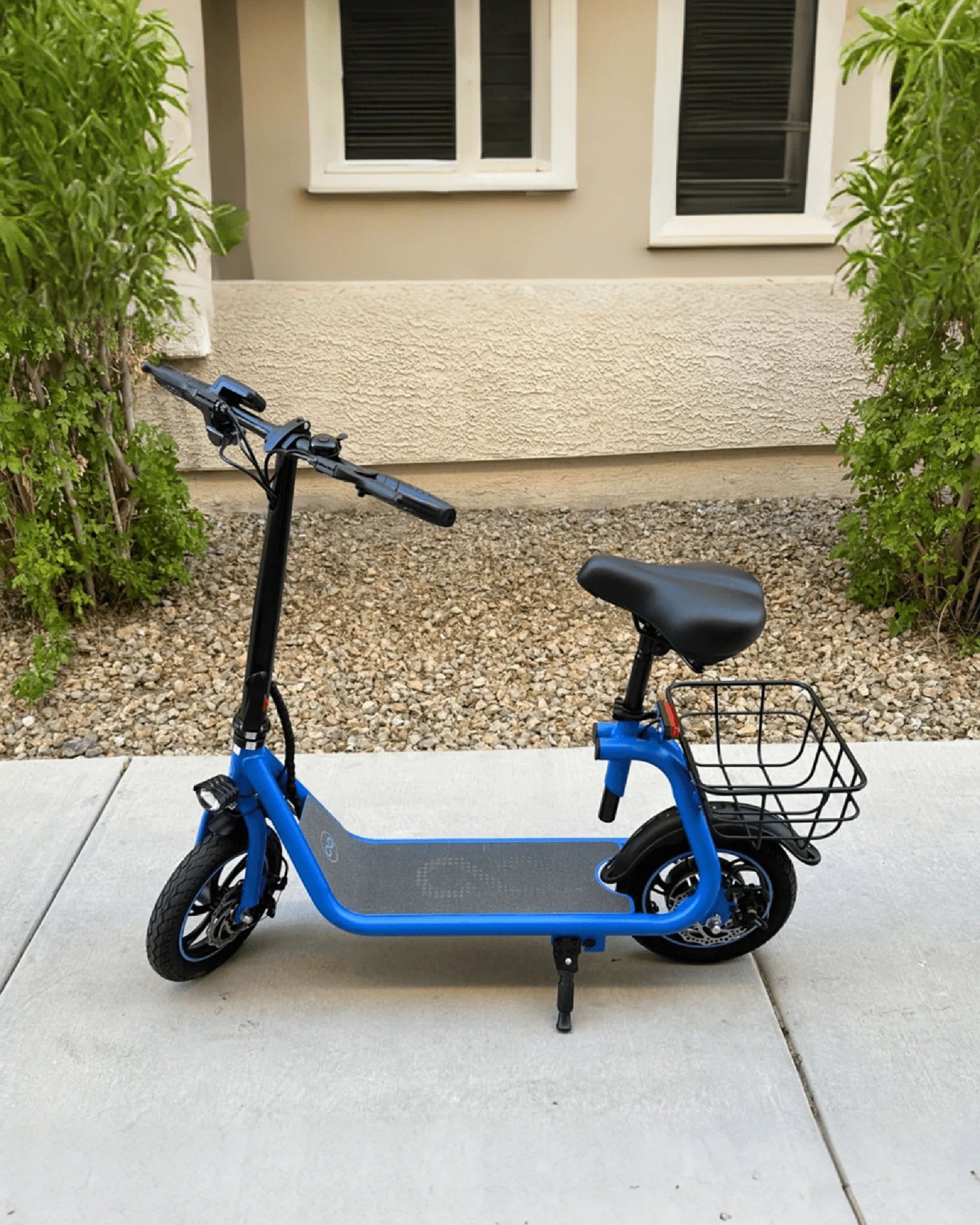
Navigating hilly terrain on an electric bike can be a thrilling experience, but only if you have the right bike for the job. Choosing the perfect e-bike for steep climbs and descents requires careful consideration of several key factors. Whether you're a daily commuter or a weekend adventurer, this guide will help you find the ideal electric bike to conquer any hill with ease.
Motor Power and Torque
The heart of any electric bike designed for hilly terrain is its motor. Look for a bike with a robust motor that delivers at least 500 watts of power, though 750 watts or more is ideal for steep inclines. Torque is equally important—measured in Newton-meters (Nm), this determines how effectively the motor can handle uphill climbs. A minimum of 60 Nm is recommended for hilly areas, with higher torque ratings providing better performance on steeper slopes.
Battery Capacity and Range
Hilly terrain demands more from your e-bike's battery, so capacity is crucial. Opt for a battery with at least 500Wh (watt-hours) to ensure you have enough power for extended rides. Consider your typical route length and elevation changes when evaluating range claims—manufacturers often provide range estimates based on flat terrain, so reduce these by 20-30% for hilly conditions. Removable batteries offer added convenience for charging, while integrated designs often provide better weight distribution.
Bike Weight and Frame Material
The weight of your electric bike significantly impacts its performance on hills. Lighter bikes are easier to pedal when the motor isn't engaged, but don't sacrifice durability for weight savings. Aluminum frames offer an excellent balance of strength and lightness, while carbon fiber provides premium performance at a higher price point. Pay attention to the bike's total weight, including battery, as this affects both climbing ability and portability.
Gearing System
A proper gearing system is essential for tackling varied terrain. Look for bikes with a wide gear range—those with at least 7-9 speeds in the rear cassette and a front derailleur if possible. Some e-bikes feature internally geared hubs which require less maintenance and perform well in hilly conditions. The combination of electric assist and proper gearing ensures smooth transitions between different incline levels.
Braking Performance
Descending hills requires reliable braking power. Hydraulic disc brakes are the gold standard for electric bikes in hilly areas, offering consistent stopping power in all weather conditions. Look for larger rotor sizes (180mm or more) for better heat dissipation during prolonged downhill braking. Mechanical disc brakes can suffice for moderate hills, but hydraulic systems provide superior modulation and control.
Tire Selection
The right tires can make a significant difference in hill climbing performance and safety. Wider tires (2.0-2.4 inches) with good tread patterns provide better traction on varied surfaces. Look for puncture-resistant models with reinforced sidewalls for durability. Tubeless-ready tires offer the added benefit of running lower pressures for improved grip without the risk of pinch flats.
Suspension Considerations
While full suspension isn't necessary for paved hilly roads, some form of suspension can improve comfort and control. Front suspension forks help absorb bumps on descents, while seat post suspension can make long climbs more comfortable. For mixed terrain with rough downhill sections, consider a bike with at least 100mm of travel in the front fork.
Rider Position and Comfort
Your body position affects both climbing efficiency and descending control. A more upright position may be comfortable but reduces pedaling power, while a forward-leaning stance improves climbing efficiency at the cost of comfort. Adjustable stems and seat posts allow you to fine-tune your position based on the terrain. Don't overlook saddle comfort—you'll spend considerable time seated during climbs.
Assist Levels and Pedal Response
Multiple assist levels give you flexibility to conserve battery or get maximum power when needed. Look for bikes with at least three levels of assistance, with some offering five or more for finer control. Torque sensors provide more natural pedal assistance compared to cadence sensors, responding immediately to your pedaling effort—a valuable feature when tackling variable inclines.
Local Regulations
Before making your final decision, check local regulations regarding electric bike classifications and where they're permitted to operate. Some areas restrict higher-powered e-bikes from certain trails or require specific safety equipment. Understanding these rules ensures your new bike meets all legal requirements for your intended riding locations.
Finding the perfect electric bike for hilly terrain might seem daunting, but armed with this knowledge, you're ready to make an informed decision that will transform your riding experience. Imagine effortlessly conquering hills that once seemed impossible, with the wind in your face and the satisfaction of knowing you chose exactly the right machine for the job. Your next adventure awaits—all you need to do is pick the perfect hill-conquering companion and start pedaling.
Best Electric Bike USA: Top Picks for Every Rider in 2023
Electric Bike 5000: The Ultimate Guide to High-Performance E-Bikes