


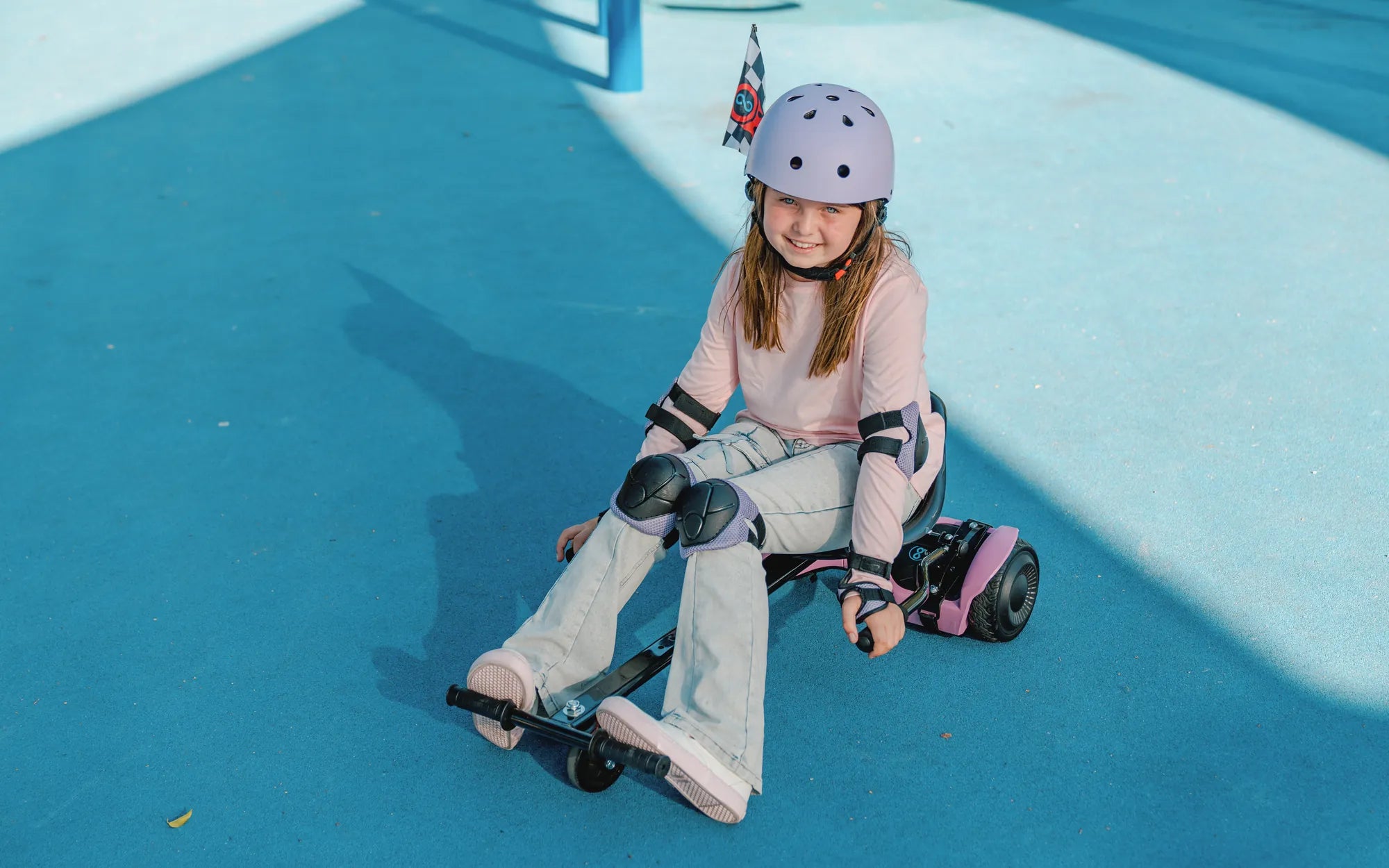
Water damage is one of the most common reasons hoverboards stop working, but that doesn't mean your device is doomed. Whether it took an unexpected plunge into a pool or got caught in heavy rain, knowing how to dry out a hoverboard properly can save you from costly repairs or replacements. Follow these steps to give your hoverboard the best chance of recovery.
Step 1: Power Off Immediately
The moment your hoverboard gets wet, turn it off and unplug it from any power source. Continuing to use a water-damaged hoverboard can cause short circuits, battery damage, or even fire hazards. If the device was on when it got wet, avoid pressing any buttons—just let it sit.
Step 2: Disassemble (If Possible)
If you're comfortable with basic tools, carefully open the hoverboard's casing to expose the internal components. Remove the battery, circuit boards, and any other removable parts. This allows for better airflow and speeds up the drying process. If you're unsure about disassembly, skip this step to avoid voiding warranties or causing further damage.
Step 3: Absorb Surface Moisture
Use a dry microfiber cloth or paper towels to gently blot away visible water. Avoid rubbing, as this can push moisture deeper into crevices. Pay special attention to ports, buttons, and seams where water tends to accumulate.
Step 4: Use Desiccants for Deep Drying
Place the hoverboard (or its components) in a large container filled with silica gel packets, uncooked rice, or another moisture-absorbing material. These desiccants will help draw out trapped water from hard-to-reach areas. Leave it submerged in the drying agent for at least 48 hours.
Step 5: Apply Controlled Heat
After most moisture has been absorbed, use a fan or a hairdryer on the coolest setting to circulate air over the components. Never use high heat, as this can warp plastic or damage sensitive electronics. Maintain at least 6 inches of distance between the heat source and your hoverboard.
Step 6: Test Carefully
Once completely dry, reassemble the hoverboard and attempt to power it on in a safe, open area. Watch for unusual sounds, smoke, or error messages. If it doesn't turn on or behaves erratically, disconnect power immediately and consult a professional.
Prevention Tips for the Future
To avoid repeat incidents, consider these precautions:
- Avoid riding in wet conditions or near bodies of water
- Store your hoverboard in a dry place when not in use
- Apply a waterproofing spray designed for electronics (check compatibility first)
- Regularly inspect seals and casing for cracks where moisture could enter
With proper drying techniques and a little patience, many water-damaged hoverboards can return to full functionality. The key is acting quickly, avoiding heat damage, and giving components enough time to dry completely before testing. Your hoverboard might just ride again!
Why Is My Hoverboard Not Moving? Troubleshooting Common Issues
Hoverboard Battery Charging Time: Everything You Need to Know