

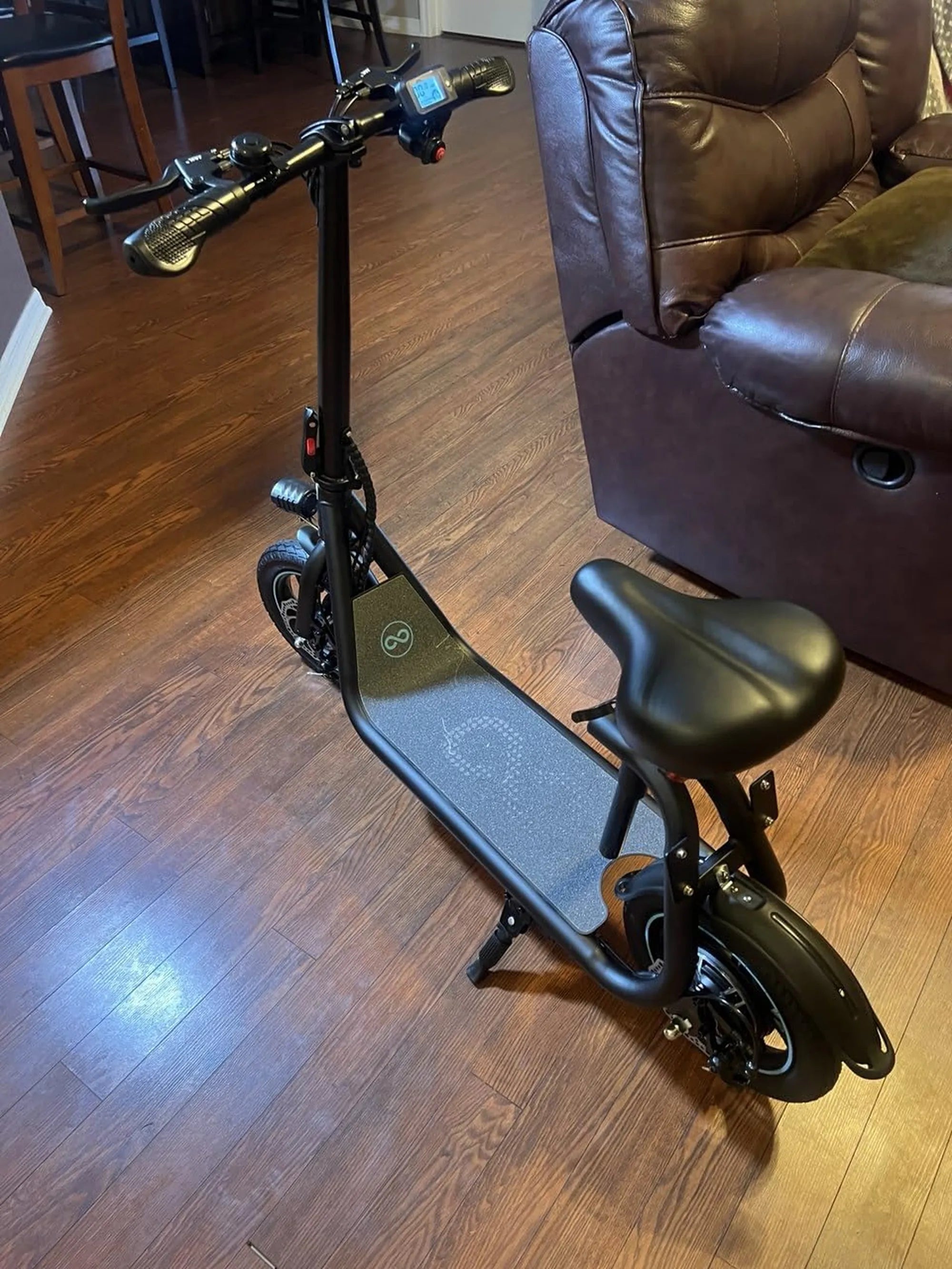
Nothing ruins your day faster than hopping on your electric scooter only to discover it won't charge. Before you resign yourself to expensive repairs or replacements, try these proven troubleshooting techniques that could save you time and money.
Check the Power Source First
Always start with the simplest solution. Plug another device into the same outlet to verify power is flowing. Test multiple outlets in case of a tripped circuit breaker. Examine the charger's LED indicator - if it's not lighting up, the issue might be with your power source rather than the scooter itself.
Inspect the Charging Port and Connections
Dirt, debris, or bent pins in the charging port can prevent proper connection. Use a flashlight to examine the port for obstructions. Gently clean with a dry toothbrush or compressed air. Check both ends of the charging cable for damage or corrosion, and ensure the connector fits snugly without wobbling.
Test with a Different Charger
Charger failure is a common culprit. If possible, borrow a compatible charger to test. When purchasing a replacement, ensure voltage and amperage specifications match your scooter's requirements exactly. Never use a charger with higher voltage as it may damage the battery.
Assess Battery Health
Lithium-ion batteries degrade over time. If your scooter is more than 2-3 years old with regular use, reduced capacity might be the issue. Look for physical signs like swelling, leaks, or unusual odors which indicate immediate replacement is needed. Some scooters have battery health indicators accessible through their display.
Reset the Battery Management System
Many electric scooters have a Battery Management System (BMS) that can sometimes lock up. Disconnect the charger, turn off the scooter, and leave it unplugged for 30-60 minutes to allow a full reset. Reconnect and attempt charging again.
Check for Software Issues
Modern electric scooters with digital displays might experience charging problems due to software glitches. Consult your manual for any available firmware updates or reset procedures. Some models require specific button combinations to initiate charging mode.
Examine Wiring and Fuses
For those comfortable with basic electronics, inspect internal wiring for loose connections or damage. Many scooters have accessible fuse compartments - check if any fuses appear blown. Always disconnect power before examining internal components.
Environmental Factors Matter
Extreme temperatures affect charging. Lithium batteries charge most efficiently between 50-86°F (10-30°C). If stored in cold conditions, bring the scooter to room temperature before attempting to charge. High humidity can also cause connection issues.
When to Seek Professional Help
If you've tried all troubleshooting steps without success, or if you notice battery swelling, burning smells, or sparking, immediately stop charging attempts and consult a professional technician. Continuing to force charge a damaged battery can be dangerous.
Don't let a non-charging scooter derail your commute! With these systematic troubleshooting steps, you'll either identify the simple fix needed or gather crucial information to help a technician resolve the issue quickly. Remember that regular maintenance and proper charging habits can prevent many of these problems before they start.
Electric Scooter Kilometer: How Far Can You Really Go?
Electric Scooter 200kg Capacity: The Ultimate Heavy-Duty Commuter Solution