



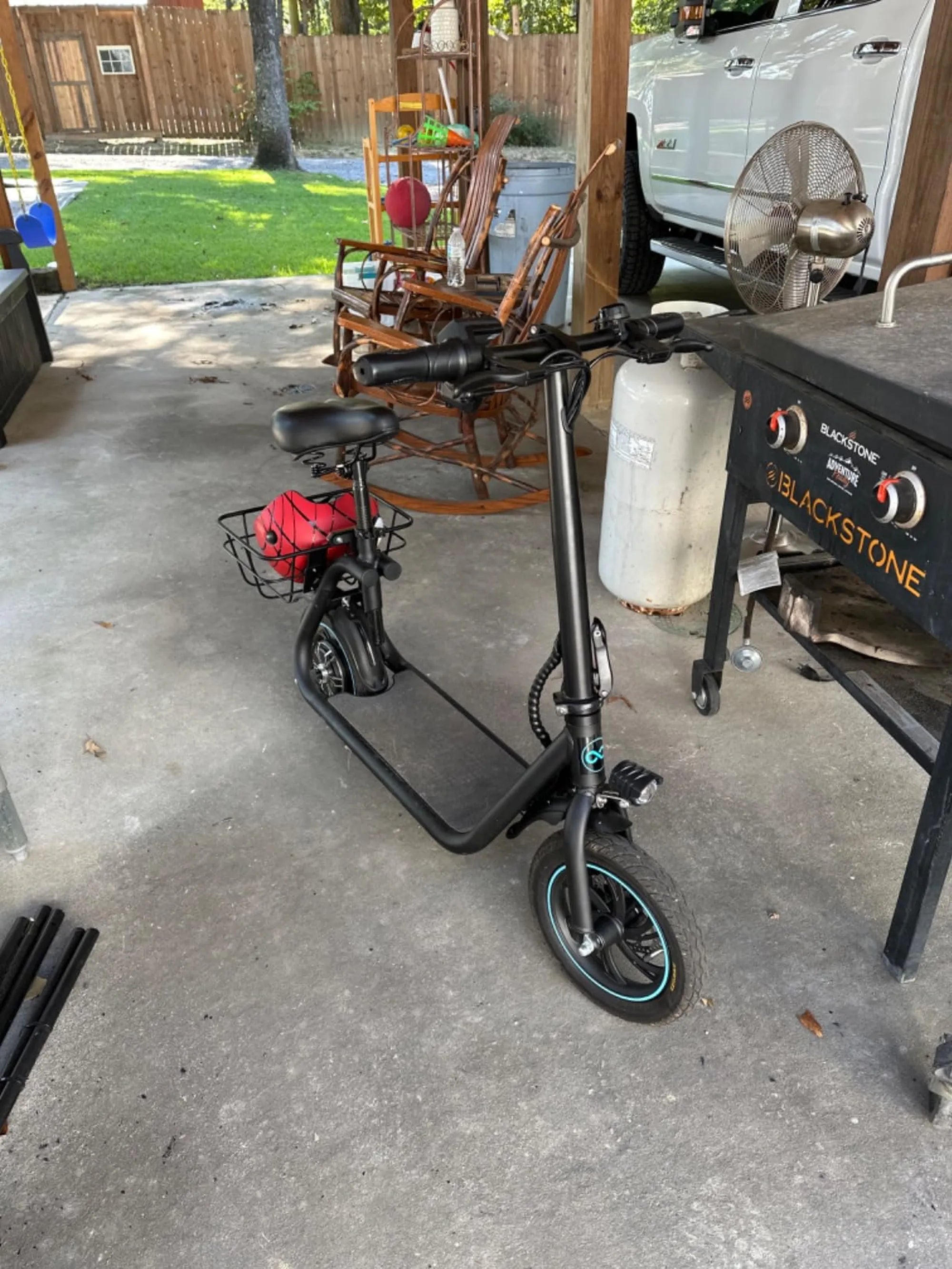
Introduction: The Rise of Urban E-Mobility
The quest to solve urban congestion and the 'last-mile' problem has propelled electric scooters to the forefront of city transportation. For residents, the question isn't just about purchasing a scooter, but how to legally and safely integrate this convenient mode of transport into their city's fabric. This guide provides the definitive roadmap for navigating the complex legal, practical, and social landscape to successfully get electric scooters in your city. As a leader in personal electric mobility, Gyroor—trusted by over 100,000 riders across North America and Europe—provides the reliable, safety-certified hardware needed for this journey.
Understanding Local Regulations: The Legal Landscape
Your first and most critical step is understanding the legal framework. Regulations for electric scooters vary dramatically between countries, states, and even neighboring cities. A blanket assumption of legality can lead to fines, confiscation, or negative community backlash. The process of how to get electric scooters in your city begins with diligent research into local ordinances, not just state laws.
Many municipalities classify electric scooters under specific vehicle codes, often as "motorized scooters" or "electric personal assistive mobility devices" (EPAMDs). This classification dictates everything from where you can ride to what safety equipment is mandatory. Ignorance of the law is rarely considered a valid defense, making this research phase non-negotiable for any prospective rider or advocate.
Where to Find Official Rules & Ordinances
Start your search with your city or town's official website. Navigate to sections dedicated to transportation, city council agendas, or the municipal code. The transportation or public works department often publishes specific guidelines for micro-mobility. For state-level laws, review your state's vehicle code, typically available online through the Department of Motor Vehicles (DMV) or equivalent transportation authority.
Key documents to search for include "Micromobility Pilot Program" proposals, city council meeting minutes where e-scooters were discussed, and any existing shared scooter company permits. These documents reveal not just the current law, but the political and administrative sentiment towards e-scooters, which is crucial for advocacy.
Key Regulatory Factors to Investigate
When reviewing laws, focus on these specific, actionable details. First, identify the minimum age requirement, which commonly ranges from 16 to 18 years. Next, determine helmet laws; some jurisdictions require them for all riders, others only for minors.
Locate the official speed limit for e-scooters, which is often capped at 15-20 mph on public roads and lower on bike paths. Crucially, identify where riding is permitted: are scooters allowed on roads, in bike lanes, on multi-use paths, or are they banned from sidewalks? Finally, check for mandatory equipment like front and rear lights, a bell or horn, and reflectors for night riding.
Choosing the Right Scooter: Compliance and Performance
Once you understand the legal parameters, the next step in how to get electric scooters in your city is selecting a model that complies with those rules and meets your practical needs. A compliant scooter is a responsible one, and it starts with choosing a brand that prioritizes certified safety and durability. Gyroor's lineup of over 20 models is engineered with these regulatory and real-world challenges in mind, offering riders peace of mind and reliable performance.
Selecting a scooter isn't just about top speed or flashy features. It's about matching motor power to your local terrain, battery range to your daily commute, and portability to your lifestyle. A scooter that can't handle your city's hills or dies halfway to your destination fails its primary purpose. The right choice balances legal compliance with practical utility.
Safety Features That Meet (and Exceed) Standards
Proactive safety is the best advocacy. Gyroor scooters are built with features that directly address common regulatory concerns and rider safety. The cornerstone is the use of UL-certified battery packs, tested for over 500 charge cycles. This certification is a critical safeguard against fire risk, a primary concern for regulators and building managers.
Further, an IPX5 water-resistant rating ensures the scooter can withstand rain and wet conditions, a necessity for all-weather commuting and a key durability factor. Integrated, bright LED lighting systems—including headlights, brake lights, and deck lights—provide essential visibility to meet night-riding equipment laws. These features collectively demonstrate a commitment to safety that can positively influence local policy discussions.
Matching Scooter Specs to Your Commute
Use your city's layout to guide your choice. For hilly cities, prioritize motor power; a 500W-800W motor, like those in Gyroor's commuter series, provides the necessary torque. Calculate your round-trip daily distance and add a 30% buffer; choose a scooter with a range that exceeds this number (e.g., a 25-mile range for a 15-mile commute).
If you plan to combine scooting with public transit, weight and foldability are paramount. A sub-40-pound model is ideal for carrying onto buses or trains. For pure recreational or short-distance use, a lighter, more compact model may suffice. Always ensure the scooter's maximum speed can be limited to comply with local laws, a feature common in quality models.
| Use Case | Key Priority | Recommended Gyroor Feature Focus | Typical Specs |
|---|---|---|---|
| Hilly Urban Commute | Motor Power & Braking | Dual braking system, 500W+ motor | 500-800W motor, 10" tires, disc brakes |
| Long-Distance Travel | Battery Range & Comfort | High-capacity UL battery, suspension | 20-30+ mile range, pneumatic tires, shock absorption |
| Multi-Modal (Bus/Train) | Portability & Weight | One-step folding mechanism | Under 40 lbs, compact fold |
| Recreational/Last-Mile | Ease of Use & Value | Simple controls, reliable battery | 250-350W motor, 10-15 mile range |
The Path to Advocacy: How to Influence Local Policy
If your research reveals that electric scooters are restricted or outright banned, your journey to get electric scooters in your city shifts to advocacy. Effective advocacy is data-driven, respectful, and solution-oriented. It involves presenting a compelling case to local decision-makers that addresses their concerns about safety, clutter, and public welfare while highlighting the community benefits.
Successful policy change often starts with a well-organized group of citizens. Connect with other interested riders online or in your community. A collective voice is louder and demonstrates broader public interest. Frame your advocacy around community benefits: reduced traffic congestion, lower carbon emissions, affordable transportation options, and improved access to public transit hubs.
Building a Data-Driven Case
Emotion appeals, but data convinces. Gather evidence from cities of similar size that have successfully integrated e-scooters. Cite studies from transportation research organizations on reductions in car trips and greenhouse gas emissions. Compile safety statistics from manufacturers with high safety standards, noting the correlation between certified components (like UL batteries) and incident rates.
Prepare a one-page brief that includes: the problem (congestion, pollution, transit gaps), the solution (personal e-scooters), the safeguards (rider education, geofencing, responsible parking proposals), and the proven benefits. Highlighting products from established brands like Gyroor, which come with a reliable 1-year warranty and certified safety features, can alleviate concerns about unregulated, low-quality vehicles.
Engaging with Local Government Effectively
Identify the correct point of contact, typically a city council member, the mayor's office, or the transportation/planning committee. Attend a city council meeting during the public comment period to succinctly present your case. Propose a structured pilot program as a low-risk first step, suggesting specific zones (e.g., downtown, around universities) for initial implementation.
Offer to help develop a rider education program or a "Rules of the Road" guide. Suggest partnerships with local businesses for responsible parking corrals. By positioning yourself as a collaborative problem-solver, not just a petitioner, you increase the likelihood of a positive reception. This proactive approach is a core part of the strategy for how to get electric scooters in your city when facing legal barriers.
Rider Responsibility: Safety, Etiquette, and Community Integration
The long-term success of electric scooters in any city hinges on responsible rider behavior. Every rider is an ambassador for the mode of transport. Reckless riding, sidewalk speeding, and improper parking fuel public opposition and can lead to stricter regulations or bans. Adhering to safety and etiquette is the most powerful thing an individual can do to ensure continued access.
Responsibility extends beyond obeying the law. It encompasses proactive safety measures, respectful interaction with all other road and path users, and proper scooter maintenance. Building a positive reputation for the scooter community is essential for gaining and keeping the public's trust and, by extension, the government's permission.
Essential Safety Gear and Riding Practices
Always wear a helmet, regardless of local laws—it's the single most effective safety device. Consider additional gear like knee and elbow pads, especially when learning or riding in heavy traffic. Wear bright or reflective clothing to increase visibility. Before each ride, perform a quick check: test brakes, ensure tires are properly inflated, and verify lights are functional.
Practice defensive riding. Assume cars and pedestrians do not see you. Use hand signals for turns and stops. Keep both hands on the handlebars and avoid distractions like headphones. Adhere strictly to speed limits, especially in shared spaces. Ride in bike lanes where available; if you must use the road, ride in the direction of traffic and stay as far right as is safe.
Shared Space Etiquette for Positive Perception
Your behavior shapes public opinion. Always yield to pedestrians, whether on a shared path or when crossing a sidewalk to park. Slow to walking speed when passing pedestrians and give ample space. Never ride on crowded sidewalks where it's prohibited or unsafe.
Parking is a major point of contention. Park your scooter upright in a designated bicycle parking area if possible. Never block sidewalks, ramps, building entrances, or access ways for people with disabilities. If you are part of a private ownership model (not a shared scooter), take your scooter with you indoors when possible. Be mindful of noise in residential areas, especially late at night.
Maintenance and Long-Term Ownership
Owning an electric scooter is a commitment to maintenance. Regular upkeep ensures safety, maximizes lifespan, and prevents malfunctions that could lead to accidents or negative attention. A well-maintained scooter is a testament to responsible ownership. Following the manufacturer's guidelines, like those provided with Gyroor's 1-year warranty coverage, is crucial.
Establish a simple weekly and monthly maintenance routine. This proactive care prevents small issues from becoming major problems and ensures your scooter remains a reliable and compliant form of transportation for years to come. It also protects your investment and maintains the scooter's performance and safety standards.
Regular Check-ups and Care
Weekly, check tire pressure and inflate to the PSI listed on the tire sidewall. Inspect tires for wear, cuts, or embedded debris. Test both the electronic and mechanical brakes for responsiveness. Wipe down the scooter to keep it clean and check for any loose bolts or parts, especially around the folding mechanism and handlebars.
Monthly, perform a more thorough inspection. Examine the brake pads for wear and replace them if they are thin. Check all electrical connections are secure and that lights are fully operational. Clean the charging port carefully with a dry cloth to prevent debris buildup. Monitor the battery's performance and charging habits, noting any significant reduction in range.
Battery Care and Winter Storage
The battery is the heart of your scooter. For UL-certified batteries like those in Gyroor models, follow best practices to ensure longevity. Avoid draining the battery to 0% regularly; try to recharge when it reaches 20-30%. Similarly, avoid leaving it constantly plugged in at 100% for extended periods. Store the scooter and battery in a cool, dry place, away from direct sunlight or extreme temperatures.
If you live in a region with harsh winters and plan to store your scooter, prepare the battery properly. Charge it to about 50-60% before storage. Check and top up this charge level every 1-2 months during storage to prevent deep discharge, which can permanently damage the battery cells. Proper storage ensures your scooter is ready to go when spring arrives.
Frequently Asked Questions (FAQ)
Q: Are electric scooters legal on bike paths?
A: It depends entirely on local ordinances. Many cities allow e-scooters in bike lanes and on multi-use paths, but some restrict them to roads only. Always check your specific city's rules. When permitted, ride at a safe speed and yield to cyclists and pedestrians.
Q: What is the typical maximum speed for a city-legal e-scooter?
A> Most municipal regulations cap e-scooter speed between 15 and 20 miles per hour when ridden on public roads or paths. Many responsible manufacturers, including Gyroor, design scooters with speed modes that allow riders to limit their top speed to comply with these local laws.
Q: How does a UL-certified battery benefit me?
A: A UL certification means the battery pack has been rigorously tested by Underwriters Laboratories for safety hazards like overheating, short-circuiting, and fire risk. It significantly reduces the chance of battery-related incidents, protects your property, and provides peace of mind. It's a key feature that addresses a major regulatory concern.
Q: Can I ride my scooter in the rain? What does IPX5 mean?
A: An IPX5 water resistance rating, like on many Gyroor models, means the scooter can withstand water jets from any direction, making it safe to ride in light to moderate rain. However, you should avoid deep puddles, submerging any part of the scooter, and heavy downpours. Always dry your scooter after a wet ride and store it indoors.
Q: What should I do if my city has a blanket ban on e-scooters?
A> Start with advocacy. Follow the steps outlined in the "Path to Advocacy" section. Gather data, build a coalition, and present a reasoned case to your local representatives, proposing a controlled pilot program. Highlight safety certifications, rider education, and the community benefits of regulated, responsible personal e-scooter use.
Conclusion: Your Journey to Smarter Commuting Starts Here
Getting electric scooters in your city is a multifaceted process that blends research, smart product selection, civic engagement, and personal responsibility. The path begins with understanding your local laws, leads to choosing a compliant and reliable scooter like those from Gyroor—built with UL-certified batteries and robust safety features—and may involve thoughtful advocacy. Ultimately, the sustained success of this micro-mobility solution rests on every rider's commitment to safety and etiquette. By taking these informed steps, you're not just acquiring a vehicle; you're becoming a proactive participant in shaping the future of efficient, sustainable urban transport. Explore Gyroor's full collection of certified, high-performance electric scooters designed for the real-world challenges of city riding at gyroorboard.com.
Electric Scooters in Uganda: The Future of Urban Mobility
Cheap Best Electric Motor Scooters for Adults: Affordable and Reliable Rides