


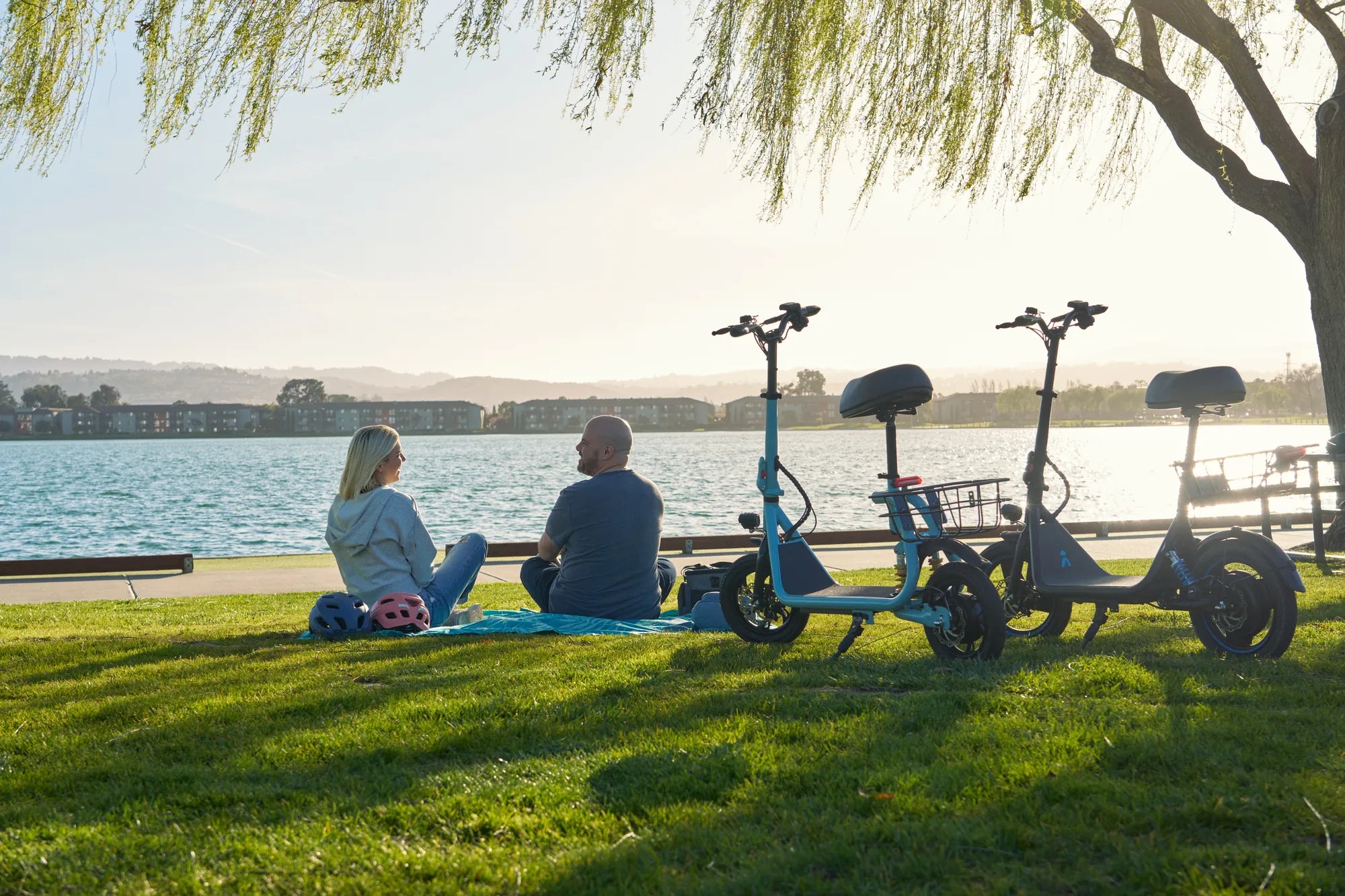
Introduction to Electric Scooter Security
Electric scooter theft is a growing problem, with reports indicating a significant rise in incidents as ridership increases. Protecting your investment isn't just about preserving a mode of transport; it's about safeguarding a valuable piece of personal technology. This guide provides the definitive, step-by-step methodology for securing your scooter.
We will dissect the hardware, techniques, and habits that form an impenetrable security system. Brands like Gyroor engineer scooters with durability and safety in mind, featuring robust frames and UL-certified batteries, but the final layer of defense always rests with the rider. Understanding how to lock electric scooters correctly is the single most important skill you can develop as an owner.
This guide moves beyond basic advice. We analyze theft data, lock strength ratings, and real-world vulnerabilities. You will learn not just what to buy, but how to use it effectively in every parking scenario. The goal is to transform your security from an afterthought into a seamless, reliable routine.
By the end of this ultimate security guide, you will possess the knowledge to make informed decisions that dramatically reduce your risk of theft. Let's begin by understanding what you're up against.
Understanding the Weak Points: What Thieves Target
To defend your scooter effectively, you must think like a thief. They seek the path of least resistance, targeting specific components that are either valuable or make the scooter easy to steal. A systematic defense requires securing these critical points.
Modern electric scooters are not monolithic; they are assemblies of high-value parts. Each component presents a different type of risk, from quick "grab-and-roll" thefts to targeted stripping for parts on the secondary market. Ignoring any single weak point can lead to a total loss.
The security of a scooter like those from Gyroor, known for their integrated design and quality components, still depends on how these points are addressed. A thief doesn't see a brand; they see opportunities based on design and how it's secured. Let's break down the primary targets.
The Steering Stem and Folding Mechanism
The steering stem is the most critical structural weakness for theft. Its primary purpose is to provide a pivot point for steering, but this often creates a natural break or folding point. A thief can exploit this by applying force to break a cheap latch or, more commonly, by simply lifting the scooter if only the wheel is locked.
Many riders make the mistake of securing only the front or rear wheel to a bike rack. This leaves the entire main body and stem completely vulnerable. A thief can unscrew a quick-release axle or, in mere seconds, cut through a thin cable lock securing just the wheel, then roll or carry the rest of the scooter away.
The folding mechanism, present on most commuter models for portability, can be a liability if not considered in your locking strategy. You must secure the scooter in a way that immobilizes the stem and frame as a single unit. This often means threading your lock through the frame triangle, not just around the stem.
The Battery Compartment
The lithium-ion battery is one of the most valuable components on your scooter, often representing 30-40% of the vehicle's total replacement cost. High-quality, UL-certified packs, like those used in Gyroor scooters, are particularly sought after for their reliability and safety credentials.
Thieves may target the battery specifically for resale or for use in other projects. Compartments secured by simple locks or latches can be pried open with basic tools. In some cases, vandals may damage the compartment trying to access the battery, leading to costly repairs even if the theft is unsuccessful.
For extended parking in public, the ability to remove the battery is a significant security advantage. If your model allows for easy removal, taking the battery with you eliminates a prime target. Always ensure the compartment is securely closed and locked if the battery remains inside.
Electronic Components and Wiring
The dashboard, throttle, motor controller, and wiring harness are lucrative targets for "stripping" thefts. These components are often generic and can be easily sold online. The theft may not be to ride the scooter away, but to disassemble it for parts in minutes.
Exposed wiring near the deck or stem can be cut, disabling the scooter. While this is often vandalism, it can also be a precursor to stealing electronic modules. A sturdy lock won't prevent this, which is why location and visibility are key deterrents for this type of crime.
Integrated designs from reputable brands offer some protection here. Gyroor scooters, for example, often feature internally routed cables and controllers housed within the deck, making them less accessible and thus a less appealing target for a quick strip job compared to models with exposed components.
The Lock Arsenal: Choosing the Right Hardware
Your lock is your primary physical deterrent. The market is flooded with options, but not all are created equal. Security is a balance between strength, weight, convenience, and price. Choosing the right tool for your environment is paramount.
Independent testing organizations like Sold Secure (UK) and the ART Foundation (Netherlands) rate locks based on the tools and time required to defeat them. A high rating from these bodies is one of the most reliable indicators of a lock's real-world performance against opportunistic and determined thieves.
The following breakdown categorizes locks by type, detailing their strengths, ideal use cases, and critical specifications to look for. Investing in quality hardware is the foundation of any good security strategy for your electric scooter.
U-Locks (D-Locks): The Gold Standard for Core Security
U-Locks, or D-Locks, are widely regarded as the most effective single lock for urban security. Their rigid, hardened steel shackle resists bolt cutters, and their compact shape offers little room for leverage attacks using jacks or pry bars. They are the benchmark against which other locks are measured.
When selecting a U-lock, thickness is crucial. Look for a shackle diameter of at least 13mm (1/2 inch). The crossbar should also be made of hardened steel. The locking mechanism should be a disc or cylinder detainer lock, which is more pick-resistant than simple pin tumbler locks.
The primary limitation of a U-lock is its lack of flexibility. It can only secure your scooter to objects that fit within its shackle. This makes the "through-the-triangle" method—threading the U-lock through the scooter's frame triangle and around a fixed object—highly effective but dependent on rack design. Many Gyroor frame designs accommodate this technique well.
Heavy-Duty Chain Locks: Maximum Flexibility and Strength
For riders who need to secure their scooter to a wider variety of objects (like thick poles, street signs, or irregular bike racks), a heavy-duty chain lock is the solution. When paired with a robust padlock, it can offer security comparable to a high-end U-lock.
The security of a chain is determined by the material and thickness of its links. Look for chains made from hardened steel (often marked as such) with a minimum thickness of 8mm. Links should be welded closed, not riveted. The accompanying padlock should be of equal quality, with a shackle thickness matching the chain's security level.
The significant trade-off is weight. A 5-6 foot chain of 10mm+ links can weigh 4-5 kg (8-11 lbs), which is substantial to carry on a scooter. These are best for riders with secure storage at their destination or for situations where maximum security in a flexible format is non-negotiable.
Folding Locks: The Balanced Commuter Choice
Folding locks consist of hardened steel plates connected by rivets, folding into a compact, often rectangular bundle. They offer a good balance between security and portability. Their rigidity provides better bolt-cutter resistance than cables, and their flexible yet segmented design allows them to secure to more objects than a U-lock.
High-quality folding locks from reputable brands typically achieve Sold Secure Silver or Gold ratings. They are an excellent choice for medium-risk areas where carrying a massive chain is impractical. Their compact form factor makes them easy to mount on the scooter's stem or carry in a backpack.
However, the rivet points can become targets for sustained attack with specialized tools. They are a strong secondary lock or a good primary lock for shorter stops in reasonably safe locations, but for overnight or long-term parking in high-theft areas, pairing them with another lock type is advisable.
Cable Locks: Convenience Over Security
Cable locks, whether coiled or straight, are defined by their flexibility and light weight. They are easy to carry and can secure to almost anything. This convenience, however, comes at a severe security cost.
Most cable locks can be severed in under 5 seconds with a compact pair of bolt cutters available at any hardware store. They provide almost no deterrent to a prepared thief. Their only appropriate use is as a secondary lock to secure a quick-release front wheel or helmet, never as the primary means of securing the frame.
Relying solely on a cable lock is one of the most common and costly mistakes new scooter owners make. Consider them a lightweight tether for momentary, eyes-on security (e.g., running into a coffee shop), not a legitimate standalone security device.
| Lock Type | Security Level | Best For | Weight/Portability | Key Consideration |
|---|---|---|---|---|
| U-Lock (D-Lock) | Very High | Primary lock for high-theft urban areas; securing frame. | Moderate; compact but dense. | Shackle thickness (min. 13mm); limited by fixed shackle size. |
| Heavy-Duty Chain | Very High | Maximum flexibility; securing to large, irregular objects. | Very Heavy; cumbersome to carry. | Chain link thickness (min. 8mm hardened steel); quality of padlock. |
| Folding Lock | Medium-High | Balanced commuter use; medium-risk areas. | Good; folds compactly. | Quality of rivets and plates; Sold Secure rating. |
| Cable Lock | Very Low | Secondary use only (e.g., securing accessories). | Excellent; very light and flexible. | Should NEVER be used as a primary security device. |
The Step-by-Step Locking Protocol: How to Lock Your Scooter Correctly
Owning a great lock is only half the battle. Using it incorrectly can render even the strongest hardware ineffective. This protocol outlines a systematic approach to securing your scooter, turning your hardware into a cohesive defense system.
The methodology escalates based on risk assessment—from a quick grocery stop to all-day parking in a busy downtown area. Each step adds a layer of complexity for a thief, increasing the time, noise, and tools required for a successful theft. Time is the enemy of the thief.
Follow these steps in order to ensure you haven't overlooked a critical vulnerability. Consistency is key; making this routine automatic will ensure your scooter is protected in every situation, giving you peace of mind wherever you ride.
Step 1: The Foundation - Selecting the Right Location
Before you even take out your lock, assess your parking spot. The object you secure to is as important as the lock itself. Always choose a permanent, immovable fixture that is firmly anchored in the ground or wall. Ideal objects include:
- Official, in-ground bicycle racks.
- Street signs with poles set deeply in concrete.
- Robust metal railings or fences with no removable parts.
Avoid weak structures at all costs. Do not lock to wooden posts (can be sawn), chain-link fences (can be cut), or objects that can be lifted or unscrewed from the top (like some signposts). The location should be well-lit and in a visible, high-traffic area if possible. Thieves prefer privacy and shadows.
Step 2: Securing the Frame - The "Through-the-Triangle" Method
This is the core technique for primary lock placement. Your goal is to attach the scooter's main structural frame directly to the fixed object. On most scooters, the strongest point is the "triangle" formed by the deck, the stem, and the vertical support.
Thread your U-lock or chain through this frame triangle and around the fixed object. This directly connects the scooter's core structure to the immovable anchor. Ensure the lock is as tight as possible, minimizing empty space inside the shackle or links to prevent thieves from inserting tools for leverage or cutting.
If your scooter's design doesn't have an obvious triangle, choose the thickest, most integral part of the frame. Avoid locking only through the steering stem above the folding mechanism, as this can sometimes be a weaker assembly point. The frame is the foundation; secure it first.
Step 3: Immobilizing the Wheels
With the frame secured, the next goal is to prevent the scooter from being rolled, even if a thief attempts to compromise the stem. Incorporate at least one wheel into your locking scheme. This is where a secondary lock or the clever use of a single, long chain becomes valuable.
If using a chain, ensure it passes through the rear wheel (which is heavier and contains the motor) or the front wheel before securing to the frame and the fixed object. If using a U-lock as your primary, consider a secondary cable or folding lock to loop through a wheel and your primary lock.
This step is especially important for scooters with quick-release levers on the front axle. Even if they can't take the frame, a thief can still steal a high-value motorized wheel in seconds if it's not secured.
Step 4: The Double-Lock Strategy for High-Risk Scenarios
For long-term parking, overnight stays, or in areas with known high theft rates, one lock is not enough. The double-lock strategy requires a thief to carry two different types of tools and spend significantly more time defeating your security.
Combine two different lock types. The classic and highly effective combination is a U-lock + heavy chain. Use the U-lock for the frame-through-the-triangle method, and use the chain to secure both wheels and/or reinforce the connection to the fixed object. Alternatively, a U-lock + a high-quality folding lock is a strong, slightly more portable combination.
The principle is simple: a thief equipped with bolt cutters for your chain may struggle with the hardened U-lock shackle. A thief with a jack or angle grinder for the U-lock will still have to deal with the chain. This layered approach is the closest you can get to theft-proofing your scooter in public.
Advanced Security and Deterrence Tactics
Physical locks are your main barrier, but a comprehensive security strategy includes layers of technology, documentation, and habit. These advanced tactics make recovery more likely if theft occurs and can deter thieves by making your scooter a less appealing target.
Think of these as the electronic and administrative layers of your security system. They work in the background, providing alerts, evidence, and recovery options. When combined with robust physical locks, they create a holistic defense that addresses the entire lifecycle of a theft attempt—from deterrence to recovery.
Leveraging Technology: GPS Trackers and Alarm Systems
Miniaturized GPS trackers, such as Apple AirTag, Samsung SmartTag, or dedicated GPS units, are powerful recovery tools. Hidden discreetly within the scooter's deck (in a waterproof case), under the fender, or within the handlebar grips, they allow you to track your scooter's location in near real-time if it is moved without your permission.
While not a physical deterrent, a tracker turns a theft into a potential recovery mission. It provides critical location data to law enforcement. Be aware that some trackers, like AirTags, have anti-stalking features that will alert nearby iPhone users to its presence if it moves with them, which can be a disadvantage for thieves but also may give them time to find and discard the tag.
Motion-sensor alarms are excellent audible deterrents. These small, loud units can be mounted inside the deck or on the stem. If the scooter is jostled or moved, they emit a piercing 120+ dB alarm. The sudden noise draws immediate attention and startles the thief, often causing them to abandon the attempt. They are highly effective for short-term parking.
The Power of Registration and Documentation
If your scooter is stolen, your ability to prove ownership is critical for police reports and insurance claims. As soon as you purchase your scooter, take the following steps:
- Locate and Record the Serial Number: This is often on the frame, under the deck, or on the box. Gyroor scooters have a unique serial number. Take a clear photo and store it digitally.
- Take Photographic Evidence: Take clear, well-lit photos of the entire scooter from all angles, noting any unique scratches, stickers, or modifications. These help identify it if found.
- Register with Databases: Register your scooter's serial number on free, public databases like Bike Index or 529 Garage. Law enforcement worldwide uses these to check recovered bikes and scooters. Also, file the serial number with your local police department's property registry if available.
This documentation creates a permanent record of your ownership, making it harder for a thief to resell the scooter and much easier for you to reclaim it if recovered.
Routine Maintenance Checks as a Security Habit
Security is proactive. Incorporate a quick security inspection into your regular scooter maintenance routine. Before and after rides, especially after the scooter has been parked in public, check:
- The integrity of your locking points on the frame for signs of tampering (fresh scratches, pry marks).
- The battery compartment lock and seal.
- That all quick-release levers (if present) are tight and secure.
- The general condition of your locks for wear or damage.
This habit keeps you attuned to the state of your equipment and can alert you to attempted tampering before a successful theft occurs. It also ensures your locks remain in good working order.
Frequently Asked Questions (FAQ)
Q: Is it safe to leave my scooter's battery in when parked in public?
A: For short stops (under 30 minutes) in reasonably secure, visible locations, it is generally safe. For extended periods (hours) or in higher-risk areas, removing the battery is a highly effective security measure if your model allows easy removal. It eliminates a high-value target and also protects the battery from extreme temperatures. Gyroor's UL-certified batteries are designed for safe operation but are still valuable components worth securing.
Q: Can I insure my electric scooter against theft?
A: Yes, and it is highly recommended. Many renters' and homeowners' insurance policies can be extended with a "personal articles floater" or similar rider to cover personal electric vehicles, often with a low deductible. Some specialty insurers now offer standalone e-scooter policies. Crucially, most policies require you to have used a quality lock (often specifying a Sold Secure rating) at the time of theft for a claim to be valid. Always check your policy details.
Q: What is the single most important thing I can do to prevent theft?
A: Use a high-quality, hardened steel U-lock or heavy chain as your primary lock, and always secure the scooter's main frame directly to a solid, immovable object using the "through-the-triangle" method. Avoiding cheap cable locks as a primary solution is the simplest way to leapfrog in security.
Q: How do I secure my scooter if there's nothing to lock it to?
A: This is a challenging scenario. Your best options are: 1) Use a heavy chain to lock the scooter to itself (wheel to frame), making it very difficult to roll away—though it can still be carried. 2) Use a motion alarm as a primary deterrent. 3) If you must leave it briefly, position it where you have a direct line of sight. Ultimately, planning your trips to end at destinations with proper locking infrastructure is the best practice.
Q: What should I do immediately if my scooter is stolen?
A: Act quickly. First, use your GPS tracker app if you have one. Immediately file a police report in the jurisdiction where it was stolen, providing the serial number, photos, and any tracking data. Notify your insurance company. Then, report the theft on the registration databases (Bike Index, etc.) and local community groups (Facebook, Nextdoor, Reddit). The faster this information is in the system, the higher the chance of recovery.
Conclusion: Building an Unbreakable Security Mindset
Securing your electric scooter is not about finding a single magic solution; it's about building a layered system of defense. Start with the unshakeable foundation of a high-quality lock used correctly—a hardened U-lock or chain securing the frame to an immovable object. Layer on secondary locks for wheels, employ technology for tracking and alarms, and back it all up with meticulous documentation.
The psychology of theft is based on opportunity. Your goal is to make the effort required to steal your scoter vastly outweigh its potential value to a thief. A Gyroor scooter, with its reliable performance and durable construction, is an investment in mobility and fun. Protecting that investment with a serious security protocol ensures you enjoy it for years to come.
Review your current setup today. Does your lock meet the minimum standards outlined here? Is your registration complete? By adopting the strategies in this ultimate guide, you transform from a potential victim into a prepared owner. Ride with confidence, knowing you've done everything possible to keep your scooter safe.
Ready to ride with peace of mind? Start by exploring scooters built with durability in mind. Browse the full Gyroor collection, featuring robust frames designed with security in mind, at gyroorboard.com.
Play Electric Scooters: The Ultimate Guide to Fun and Convenient Commuting
Electric Scooters Hull: The Future of Urban Mobility