

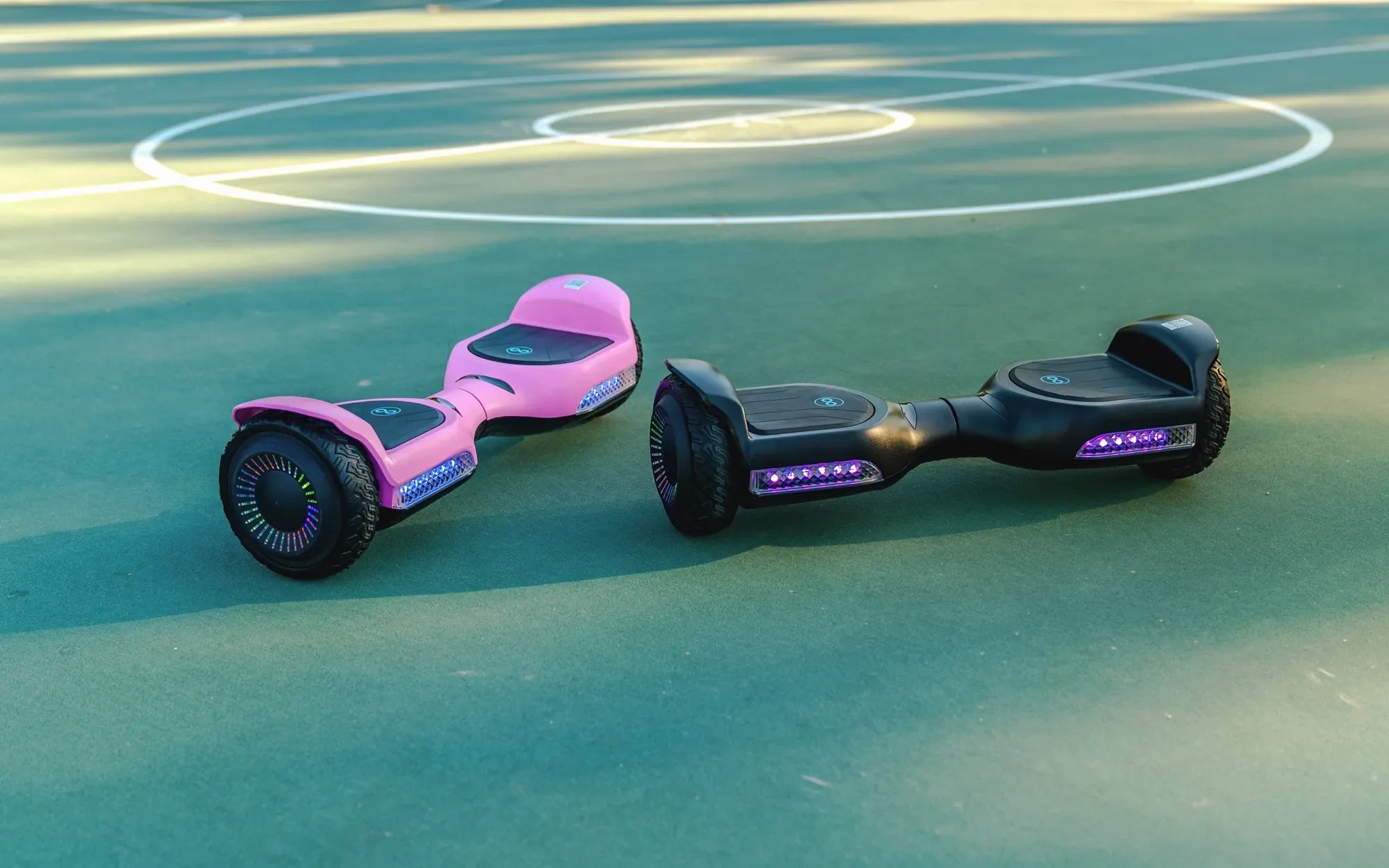
Ever wondered if your hoverboard is the right size for you or your child? Measuring a hoverboard might seem simple, but getting it wrong can lead to discomfort, instability, or even accidents. Whether you're buying a new one or checking an old model, knowing how to measure a hoverboard properly is essential for a smooth ride.
Why Measuring Your Hoverboard Matters
Before diving into the steps, it's important to understand why accurate measurements are crucial. A hoverboard that's too small or too large can affect balance, speed, and overall safety. The right measurements ensure:
- Better Stability: A properly sized hoverboard prevents wobbling and improves control.
- Comfortable Riding: The right dimensions mean less strain on your feet and legs.
- Optimal Performance: Correct measurements help maintain battery life and motor efficiency.
Step 1: Measure the Wheel Size
The wheel size is one of the most critical measurements. It determines how smoothly the hoverboard handles different terrains. Here's how to measure it:
- Place the hoverboard on a flat surface.
- Use a tape measure to determine the diameter of the wheel from one edge to the opposite edge.
- Common sizes range from 6.5 inches to 10 inches, with larger wheels offering better off-road performance.
Step 2: Check the Deck Length and Width
The deck is where you place your feet, so its dimensions affect comfort and control. Follow these steps:
- Measure the length from the front to the back of the footpad.
- Measure the width at the widest point.
- Ensure the deck is wide enough for your feet to rest comfortably without overhang.
Step 3: Determine the Weight Capacity
Exceeding the weight limit can damage the hoverboard or make it unsafe. To find the right fit:
- Check the manufacturer's specifications for maximum weight capacity.
- Compare it with the rider's weight to ensure compatibility.
- Remember that heavier riders may need hoverboards with larger motors and batteries.
Step 4: Measure the Overall Height and Weight
If portability is a concern, knowing the hoverboard's height and weight is helpful:
- Measure from the ground to the highest point (usually the handle or body).
- Weigh the hoverboard using a scale to ensure it's easy to carry when needed.
Step 5: Test the Ride Height
The ride height affects how high off the ground you'll be. To measure it:
- Stand on the hoverboard and note the distance between your feet and the ground.
- Higher ride heights are better for rough terrain, while lower heights offer more stability.
Common Mistakes to Avoid
When measuring a hoverboard, avoid these pitfalls:
- Ignoring Weight Limits: Always check the maximum weight capacity.
- Neglecting Wheel Size: Smaller wheels may struggle on uneven surfaces.
- Overlooking Deck Dimensions: A cramped deck can cause discomfort during long rides.
Final Tips for Choosing the Right Hoverboard
Now that you know how to measure a hoverboard, keep these tips in mind:
- Match the wheel size to your riding environment (e.g., off-road vs. pavement).
- Ensure the deck is spacious enough for your foot size.
- Always stay within the weight limits for safety and performance.
Ready to find the perfect hoverboard? With these measurements in hand, you're one step closer to a safer, smoother, and more enjoyable ride. Don't let the wrong size ruin your fun—measure twice, ride confidently!
What Is the Best Hoverboard for an 8-Year-Old? A Parent's Guide
Which Hoverboard Does Not Explode: A Guide to Safe and Reliable Riding