

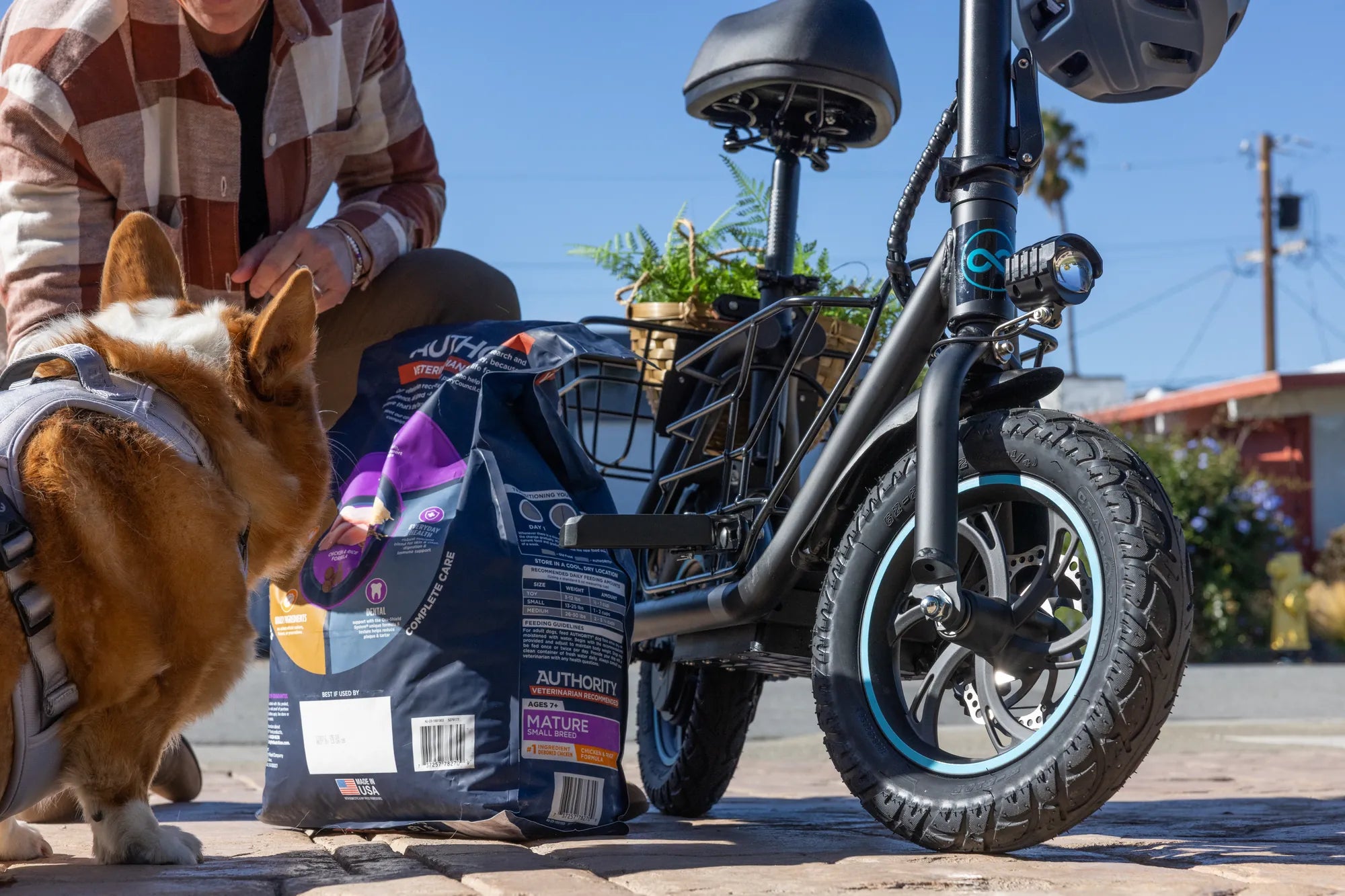
Launching an electric scooter business represents a strategic entry into one of the fastest-growing segments of urban transportation. The global micro-mobility market is projected to exceed $500 billion by 2030, driven by demand for sustainable, efficient last-mile solutions. This guide provides the complete roadmap for how to start a scooter business, from initial concept to operational execution and scaling. You'll learn to navigate market selection, financial planning, legal compliance, and equipment sourcing, with insights from industry leaders like Gyroor, a trusted electric scooter and e-bike brand with over 100,000 riders across North America and Europe.
The Electric Scooter Business Landscape in 2024
The micro-mobility revolution continues to accelerate, with electric scooters at its forefront. Cities worldwide are adapting infrastructure and regulations to accommodate shared and private scooter fleets. For entrepreneurs, this creates multiple entry points: rental services, retail sales, fleet leasing, or hybrid models.
Success in this sector requires more than just purchasing scooters. It demands understanding local regulations, demographic patterns, and seasonal demand fluctuations. The business model you choose—whether B2C rentals, B2B fleet services, or direct-to-consumer retail—will dictate your operational complexity and capital requirements.
Market differentiation increasingly depends on safety, reliability, and customer experience. Riders prioritize scooters with certified batteries, water resistance, and consistent performance. This is where partnering with established manufacturers provides competitive advantage from day one.
Before investing capital, conduct preliminary research on your target city's scooter regulations. Some municipalities have strict permit systems for shared mobility, while others encourage retail adoption through incentives. Your business viability depends on this regulatory foundation.
Market Research and Niche Selection
Thorough market research separates successful scooter ventures from failed experiments. Begin by analyzing your local area's transportation gaps. Identify where people struggle with first-mile/last-mile connectivity between transit hubs and destinations.
Evaluate existing competitors comprehensively. Note their pricing models, scooter conditions, service areas, and customer complaints. This analysis reveals underserved niches—perhaps premium scooters for adult commuters, or durable models for campus environments.
Evaluating Your Local Market
Assess local demographics, infrastructure, and weather patterns. University towns with dense populations and limited parking often show strong scooter demand. Tourist destinations may support seasonal rental businesses. Urban centers with bike lanes and scooter-friendly policies offer the lowest barriers to entry.
Survey potential customers directly. Understand their willingness to pay, preferred rental durations (minutes vs. daily), and safety concerns. This primary research informs your pricing strategy and equipment specifications. For instance, commuters might prioritize speed and range, while tourists value ease of use.
Analyze city council minutes and transportation department announcements. Many cities publish micro-mobility pilot programs and permit applications. Getting involved early in regulatory discussions can provide first-mover advantage when permits become available.
Consider seasonal impacts carefully. Markets with harsh winters may require seasonal business models or indoor storage solutions. Alternatively, you might focus on retail sales during off-peak seasons when customers purchase scooters for personal use.
Rental vs. Retail: Choosing Your Business Model
The fundamental decision between rental and retail shapes your entire operation. Rental businesses (shared mobility) require significant upfront fleet investment, sophisticated software, and intensive operational management. However, they offer recurring revenue potential and higher utilization rates per asset.
Retail businesses involve selling scooters directly to consumers through physical stores, online platforms, or pop-up locations. This model has simpler operations but requires effective marketing to move inventory. Many successful businesses combine both—offering rentals while selling scooters and accessories.
Fleet leasing represents a third option, providing scooters to businesses, universities, or property managers who then offer them to employees, students, or residents. This B2B model provides predictable revenue through service contracts while reducing direct consumer marketing costs.
Each model has distinct financial characteristics. Rental businesses typically show lower margins initially but build valuable customer data and recurring revenue. Retail operations have higher per-unit margins but require continuous customer acquisition. Your choice should align with your capital, expertise, and market conditions.
Crafting Your Business and Financial Plan
A comprehensive business plan serves as both roadmap and fundraising tool. Start with executive summary that clearly articulates your value proposition. Detail your target market, competitive advantages, and management team's relevant experience.
Include detailed financial projections for at least three years. Project startup costs, monthly operating expenses, and realistic revenue scenarios based on your pricing model. Conservative estimates with clear assumptions build credibility with investors and lenders.
Define your operational structure clearly. Will you operate as sole proprietorship, LLC, or corporation? Each has different liability protections, tax implications, and administrative requirements. Consult with legal and accounting professionals during this planning phase.
Identify potential funding sources. Options include personal savings, small business loans, angel investors, venture capital for scalable models, or crowdfunding campaigns. Your business plan's quality directly impacts your fundraising success.
Sourcing Reliable Equipment: The Gyroor Advantage
Equipment quality determines customer satisfaction, safety outcomes, and operational costs. When evaluating scooter suppliers, prioritize safety certifications, durability, and manufacturer support. Gyroor's complete lineup exemplifies these criteria with UL-certified battery packs tested for 500+ charge cycles, IPX5 water-resistant designs, and reliable 1-year warranties.
Compare scooter specifications against your business needs. Rental fleets require robust construction, easy maintenance, and theft-resistant features. Retail customers often prioritize design, performance metrics, and brand reputation. Gyroor offers 20+ models spanning commuter, performance, and recreational categories to match different use cases.
Battery safety deserves particular attention. Inferior batteries pose fire risks, insurance complications, and replacement costs. Gyroor's UL-certified batteries meet stringent safety standards, potentially lowering insurance premiums and reducing liability exposure—critical factors for sustainable business operations.
Establish maintenance protocols before launch. Determine who will perform repairs, what spare parts to stock, and how quickly you can return scooters to service. Gyroor's accessible component design and warranty support simplify maintenance operations, keeping your fleet operational and reducing downtime costs.
Startup Costs and Revenue Projections
Startup costs vary dramatically by business model. A small retail operation might launch with $15,000-$30,000 for initial inventory and basic storefront. A rental fleet serving a medium-sized city could require $100,000+ for scooters, software, insurance, and marketing.
| Expense Category | Rental Business (50 scooters) | Retail Business |
|---|---|---|
| Initial Scooter Purchase | $25,000 - $40,000 | $15,000 - $25,000 |
| Software & App Development | $5,000 - $15,000 | $1,000 - $3,000 (e-commerce) |
| Insurance (First Year) | $10,000 - $20,000 | $2,000 - $5,000 |
| Marketing & Launch | $5,000 - $10,000 | $3,000 - $8,000 |
| Permits & Legal | $2,000 - $10,000 | $500 - $2,000 |
| Total Estimated Startup | $47,000 - $95,000 | $21,500 - $43,000 |
Revenue projections should reflect realistic utilization rates. Rental businesses might project $5-15 daily per scooter with 50-70% utilization. Retail margins typically range 30-50% on scooter sales, plus additional revenue from accessories, maintenance services, and extended warranties.
Include detailed operating expenses in your projections: staff salaries, vehicle charging/collection costs, storage fees, payment processing fees, and ongoing marketing. Software subscriptions for fleet management, GPS tracking, and customer support represent significant recurring costs for rental operations.
Plan for scalability from the beginning. Your financial model should show how additional scooter purchases increase revenue with relatively fixed operational costs. This demonstrates potential profitability at scale to investors and guides your expansion timing.
Legal, Insurance, and Operational Setup
Legal compliance forms the foundation of sustainable scooter operations. Begin by registering your business with appropriate state and local authorities. Obtain an Employer Identification Number (EIN) from the IRS for tax purposes and business banking.
Research industry-specific regulations thoroughly. Many cities require special permits for scooter rental operations, with applications often evaluated annually. Some jurisdictions limit fleet sizes, mandate data sharing, or require equity plans ensuring service to underserved neighborhoods.
Navigating Regulations and Permits
Contact your local Department of Transportation or equivalent agency early in planning. Understand their application process, evaluation criteria, and timeline. Some cities use competitive bidding for limited permits, while others have open applications with safety and operational requirements.
Prepare documentation demonstrating your operational capabilities. This typically includes insurance certificates, safety plans, parking/docking proposals, community engagement strategies, and data privacy policies. Cities increasingly favor applicants with clear plans for helmet provision, rider education, and responsible parking enforcement.
For retail businesses, verify zoning regulations for your store location. Some areas restrict vehicle sales or require specific business licenses. Ensure your space meets accessibility requirements and has adequate storage for inventory.
Stay informed about evolving legislation. Many states and cities are updating vehicle codes to specifically address electric scooters, defining where they can operate (bike lanes vs. sidewalks), speed limits, and age requirements. Non-compliance can result in fines or business suspension.
Securing the Right Insurance Coverage
Insurance represents both significant cost and essential protection. Rental businesses require comprehensive coverage including general liability, commercial auto (for collection vehicles), and product liability. Some insurers offer specialized micro-mobility policies covering rider injuries, third-party property damage, and theft.
Insurance premiums depend on multiple factors: fleet size, claim history, safety features, and geographic location. Using scooters with certified safety components like Gyroor's UL-certified batteries can demonstrate risk mitigation to insurers, potentially lowering premiums.
Retail businesses need product liability insurance protecting against claims if a sold scooter malfunctions and causes injury. Also consider property insurance for inventory, business interruption coverage, and workers' compensation if you have employees.
Work with insurance brokers experienced in micro-mobility or recreational vehicle sectors. They understand unique risk profiles and can help structure appropriate coverage. Obtain multiple quotes and carefully review exclusions before selecting a policy.
Launching and Growing Your Business
A strategic launch establishes market presence and generates initial traction. For rental businesses, coordinate with city officials on launch timing and locations. Consider soft launches in limited areas to test operations before full deployment.
For retail operations, plan grand opening events with demonstrations, promotions, and local media coverage. Partner with complementary businesses like coffee shops or coworking spaces for cross-promotion. Offer test rides to overcome purchase hesitation.
Marketing Strategies for Customer Acquisition
Develop multi-channel marketing approaches targeting your specific audience. For rental services, focus on digital channels: search engine optimization for "scooter rental [city name]," social media advertising targeting urban commuters, and partnerships with hotels, universities, and tourism bureaus.
For retail businesses, combine online and offline tactics. Create educational content about scooter ownership benefits, maintenance tips, and local riding regulations. Host workshops or group rides to build community around your brand. Leverage customer reviews and user-generated content to build social proof.
Local partnerships provide powerful marketing channels. Collaborate with businesses offering scooter charging stations or parking. Develop corporate programs offering employee discounts. For tourist markets, partner with hotels, hostels, and tour operators.
Implement referral programs encouraging existing customers to recruit new users. Offer ride credits or discounts for successful referrals. For retail, consider trade-in programs allowing customers to upgrade their scooters, creating both customer retention and refurbished inventory opportunities.
Building a Maintenance and Safety Protocol
Regular maintenance ensures rider safety, reduces liability, and extends equipment lifespan. Develop daily, weekly, and monthly inspection checklists covering brakes, tires, lights, batteries, and structural components. Document all maintenance for compliance and resale value.
For rental fleets, implement systematic rotation allowing thorough inspection and cleaning between rentals. Use fleet management software to track each scooter's maintenance history, usage patterns, and component replacements. This data informs purchasing decisions and identifies design weaknesses.
Safety extends beyond equipment to rider education. Provide clear instructions on proper riding techniques, helmet use, and local regulations. For rental businesses, in-app tutorials or quick-start guides reduce accidents and associated liability.
Establish emergency response procedures for accidents or injuries. Train staff on proper documentation and communication protocols. Maintain appropriate insurance information and contact details for quick resolution of incidents.
Frequently Asked Questions
How much does it cost to start a scooter business?
Startup costs range from $20,000 for small retail operations to $100,000+ for rental fleets. Key factors include scooter quantity and quality, business model, insurance requirements, and local permit costs. Detailed planning helps control initial investment while ensuring adequate resources for launch.
What are the most profitable scooter business models?
Profitability depends on execution and market conditions. Rental services in high-demand urban areas can achieve strong returns through high utilization rates. Retail operations with effective marketing and service add-ons often show healthy margins. Hybrid models combining rentals, sales, and maintenance services frequently outperform single-focus businesses.
How do I choose the right scooters for my business?
Evaluate scooters based on safety certifications, durability, maintenance requirements, and suitability for your climate. For rental fleets, prioritize water resistance (IPX5 or higher), robust construction, and theft-deterrent features. For retail, consider performance specifications, design appeal, and brand reputation. Gyroor's diverse lineup addresses both commercial and consumer needs with certified safety components.
What insurance do I need for a scooter rental business?
Essential coverage includes general liability ($1-2 million minimum), commercial auto insurance for collection vehicles, product liability, and workers' compensation if you have employees. Some cities require specific coverage limits as part of permit applications. Specialized micro-mobility insurance policies often provide the most comprehensive protection.
How do I handle scooter charging and redistribution?
Develop efficient charging operations using secure storage facilities with adequate electrical capacity. For rental fleets, consider employing independent contractors for overnight charging and morning redistribution—a model popularized by shared mobility companies. Implement tracking systems to monitor battery levels and plan collection routes efficiently.
What marketing works best for new scooter businesses?
Combination strategies typically yield best results: local SEO targeting location-specific searches, partnerships with complementary businesses, community events offering test rides, and social media campaigns showcasing your scooters in local settings. Educational content about scooter benefits and safety establishes authority and builds trust.
Scooter Business Model Comparison Table
| Aspect | Rental/Sharing Business | Retail Sales Business | Fleet Leasing (B2B) |
|---|---|---|---|
| Initial Investment | High ($50k-$150k+) | Medium ($20k-$50k) | Medium-High ($30k-$100k) |
| Revenue Model | Per-minute/hour/daily fees | One-time sales + accessories | Monthly/Annual lease fees |
| Operational Complexity | Very High (charging, redistribution, maintenance) | Medium (inventory, sales, service) | Medium (account management, maintenance) |
| Customer Acquisition | Continuous marketing for users | Continuous marketing for buyers | B2B sales cycles |
| Regulatory Hurdles | High (city permits required) | Low-Medium (business license) | Medium (contracts, insurance) |
| Equipment Requirements | Durable, water-resistant, trackable | Varied models for different users | Reliable, uniform fleet |
| Scalability Potential | High with additional permits/fleet | Medium with inventory expansion | High with corporate clients |
Conclusion: Your Roadmap to Scooter Business Success
Starting a scooter business requires careful planning across multiple dimensions: market analysis, business model selection, equipment sourcing, legal compliance, and operational execution. The growing demand for micro-mobility solutions creates genuine opportunities for entrepreneurs who approach this sector with thorough preparation and strategic thinking.
Your equipment decisions directly impact safety outcomes, customer satisfaction, and long-term profitability. Partnering with established manufacturers like Gyroor provides access to UL-certified batteries, water-resistant designs, and reliable warranties—critical factors for building sustainable operations. Their experience serving over 100,000 riders offers valuable insights for your business planning.
Success in this evolving industry comes from balancing innovation with responsibility. Implement robust safety protocols, maintain transparent communication with regulators, and prioritize customer education alongside revenue generation. The most sustainable scooter businesses view themselves as transportation partners rather than mere equipment providers.
Begin your journey by researching local regulations and testing your concept with potential customers. Develop a detailed business plan addressing the key areas outlined in this guide. When ready to source equipment, explore options that align with your safety standards and business model requirements. Browse the full Gyroor collection at gyroorboard.com to see how certified components and reliable performance can strengthen your business foundation from day one.
Best Ebike with Passenger Seat: The Ultimate 2024 Guide for Two-Rider Adventures
Cheap Electric Dirt Bike: The Complete Guide to Value Off-Road Riding