



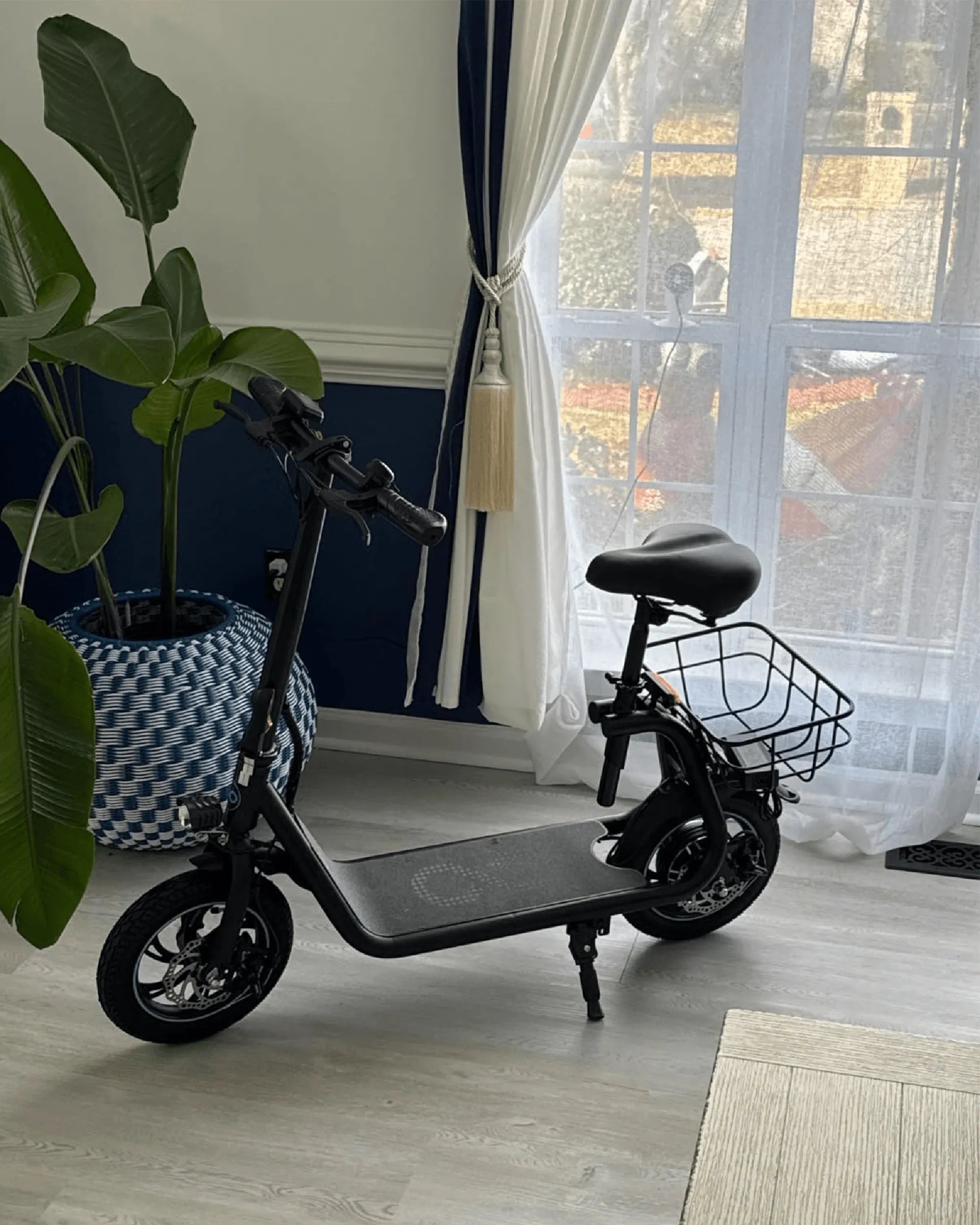
Electric scooters are a fun and eco-friendly way to get around, but wiring one up can seem daunting if you're new to DIY projects. Whether you're building a scooter from scratch or repairing an existing one, understanding how to wire it correctly is crucial for safety and performance. Follow this step-by-step guide to ensure your electric scooter is wired up properly and ready to ride.
Gather the Necessary Tools and Materials
Before you start wiring your electric scooter, make sure you have all the tools and materials you'll need. Here's a basic list:
- Wire strippers
- Soldering iron and solder
- Heat shrink tubing or electrical tape
- Multimeter
- Screwdrivers
- Zip ties or cable organizers
- Wiring diagram (specific to your scooter model)
Having everything on hand will save time and prevent frustration during the process.
Understand the Basic Wiring Components
An electric scooter's wiring system consists of several key components:
- Battery: Powers the scooter.
- Controller: Regulates power flow to the motor.
- Motor: Converts electrical energy into motion.
- Throttle: Controls speed.
- Brakes: Often include cut-off switches for safety.
- Display/Console: Shows battery level, speed, and other metrics.
Refer to your scooter's wiring diagram to identify how these components connect.
Step 1: Disconnect the Battery
Safety first! Always disconnect the battery before working on any electrical components. This prevents accidental shocks or short circuits.
Step 2: Strip and Prepare the Wires
Use wire strippers to remove about 1/2 inch of insulation from the ends of the wires you'll be connecting. Twist the exposed strands to keep them neat and ready for soldering or crimping.
Step 3: Connect the Controller to the Motor
The controller is the brain of your scooter's electrical system. Follow the wiring diagram to connect the controller's output wires to the motor. Typically, these are three thick phase wires (usually yellow, green, and blue). Secure them with solder or connectors and cover with heat shrink tubing.
Step 4: Wire the Throttle and Brakes
The throttle wires connect to the controller's throttle input pins, often color-coded (red, black, and green). Brake levers may have cut-off switches that interrupt power when engaged—connect these to the controller's brake input.
Step 5: Connect the Battery to the Controller
This is a critical step. Match the battery's positive (+) and negative (-) terminals to the controller's corresponding inputs. Double-check polarity to avoid damaging the controller. Use a fuse or circuit breaker for added safety.
Step 6: Secure and Organize the Wiring
Use zip ties or cable organizers to bundle wires neatly. Avoid sharp bends or pinching, which can damage insulation over time. Keep wires away from moving parts like the wheels or suspension.
Step 7: Test the Connections
Before reassembling the scooter, test all connections with a multimeter. Check for continuity, proper voltage, and no short circuits. Reconnect the battery and power on the scooter to verify everything works as expected.
Troubleshooting Common Issues
If your scooter doesn't power on or behaves erratically, here are some common fixes:
- No power: Check battery connections and fuse.
- Motor doesn't spin: Verify phase wire connections and throttle signal.
- Intermittent operation: Inspect for loose or frayed wires.
Safety Tips
Working with electricity requires caution. Follow these safety tips:
- Always wear insulated gloves when handling live wires.
- Avoid working in wet or damp conditions.
- Double-check all connections before powering on.
- Disconnect the battery when not in use.
Wiring up an electric scooter might seem complex, but with patience and attention to detail, you'll have a smoothly running ride in no time. Ready to hit the road? Double-check your work, strap on your helmet, and enjoy the thrill of your DIY electric scooter!
Electric Scooter Price: Finding the Lowest Price Without Compromising Quality
Is an Electric Bike Street Legal? Understanding the Rules and Regulations