

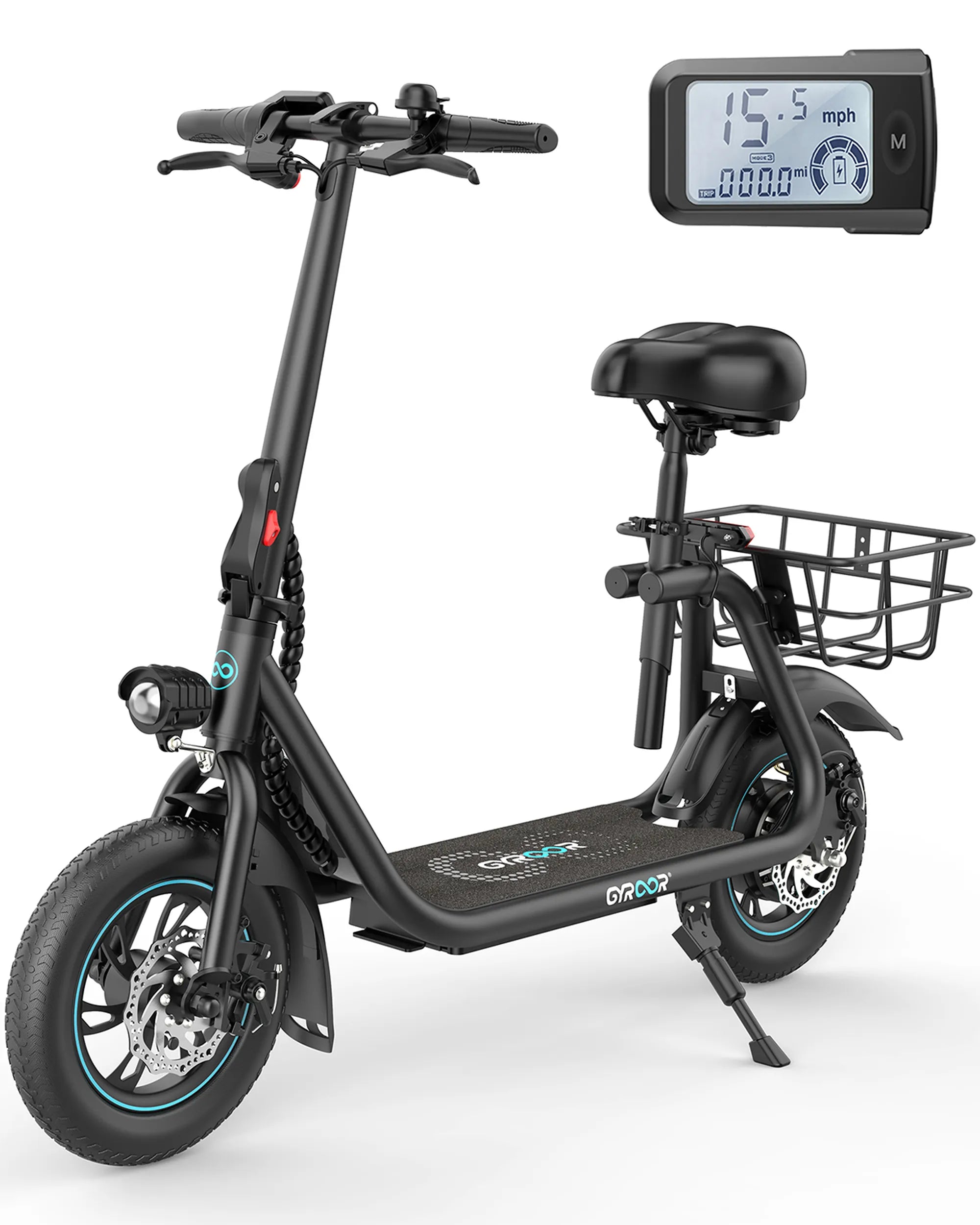
When it comes to two-wheeled vehicles, the line between scooters and motorcycles can seem blurry. Both offer freedom on the open road, but they cater to different riders and purposes. So, is a scooter a motorcycle? The answer isn't as straightforward as you might think. Let's dive into the details to uncover the key differences and similarities.
Design and Structure
Scooters and motorcycles may share the same basic concept—two wheels and an engine—but their designs are worlds apart. Scooters typically feature a step-through frame, allowing riders to sit comfortably without straddling the vehicle. They also have smaller wheels, usually between 10 and 16 inches, which contribute to their nimble handling in urban environments.
Motorcycles, on the other hand, are built for performance and versatility. They have larger wheels, often 17 inches or more, and a more aggressive riding position. The frame requires riders to swing a leg over the seat, and the overall structure is designed for stability at higher speeds.
Engine and Performance
One of the most significant differences lies under the hood—or rather, under the seat. Scooters are usually equipped with smaller engines, ranging from 50cc to 250cc, making them ideal for short commutes and city riding. Many scooters also feature automatic transmissions, eliminating the need for manual gear shifting.
Motorcycles, in contrast, boast a wider range of engine sizes, from 125cc to over 1000cc. They often come with manual transmissions, giving riders more control over acceleration and speed. This makes motorcycles better suited for long-distance travel and high-speed highways.
Legal Classifications
The legal distinction between scooters and motorcycles varies by region. In many places, scooters with engines under 50cc are classified as mopeds and may not require a motorcycle license. Larger scooters, however, often fall into the same category as motorcycles, requiring proper licensing and registration.
Motorcycles are universally recognized as motor vehicles, subject to stricter regulations. Riders must typically obtain a motorcycle license, wear helmets, and adhere to specific safety standards. Understanding these legal nuances is crucial before hitting the road.
Riding Experience
The riding experience is where the two vehicles truly diverge. Scooters prioritize convenience and ease of use. Their lightweight build and automatic transmissions make them accessible to beginners and those looking for a hassle-free ride. They're perfect for weaving through traffic and running errands around town.
Motorcycles, however, offer a more immersive experience. The manual transmission and powerful engines provide a sense of control and excitement. Whether you're cruising on a highway or tackling winding roads, motorcycles deliver a thrill that scooters can't match.
Fuel Efficiency and Cost
Scooters are often hailed for their fuel efficiency. Their smaller engines consume less gas, making them a cost-effective choice for daily commuting. Maintenance is also generally cheaper, with fewer moving parts to worry about.
Motorcycles, while less fuel-efficient than scooters, still outperform most cars in this regard. However, maintenance costs can be higher, especially for high-performance models. Insurance rates may also differ based on the vehicle's classification and engine size.
Which One Is Right for You?
Choosing between a scooter and a motorcycle depends on your lifestyle and riding goals. If you need a practical, low-maintenance vehicle for city commuting, a scooter is likely the better option. But if you crave speed, adventure, and a more engaging ride, a motorcycle is the way to go.
Both scooters and motorcycles have their unique advantages, and understanding these differences will help you make an informed decision. Whether you're zipping through city streets or embarking on a cross-country journey, the right two-wheeled companion awaits.
Pro Scooter Beginners Freestyle Colorful: The Ultimate Guide to Getting Started
Ebike Battery Mount: The Ultimate Guide to Secure and Efficient Power Storage