


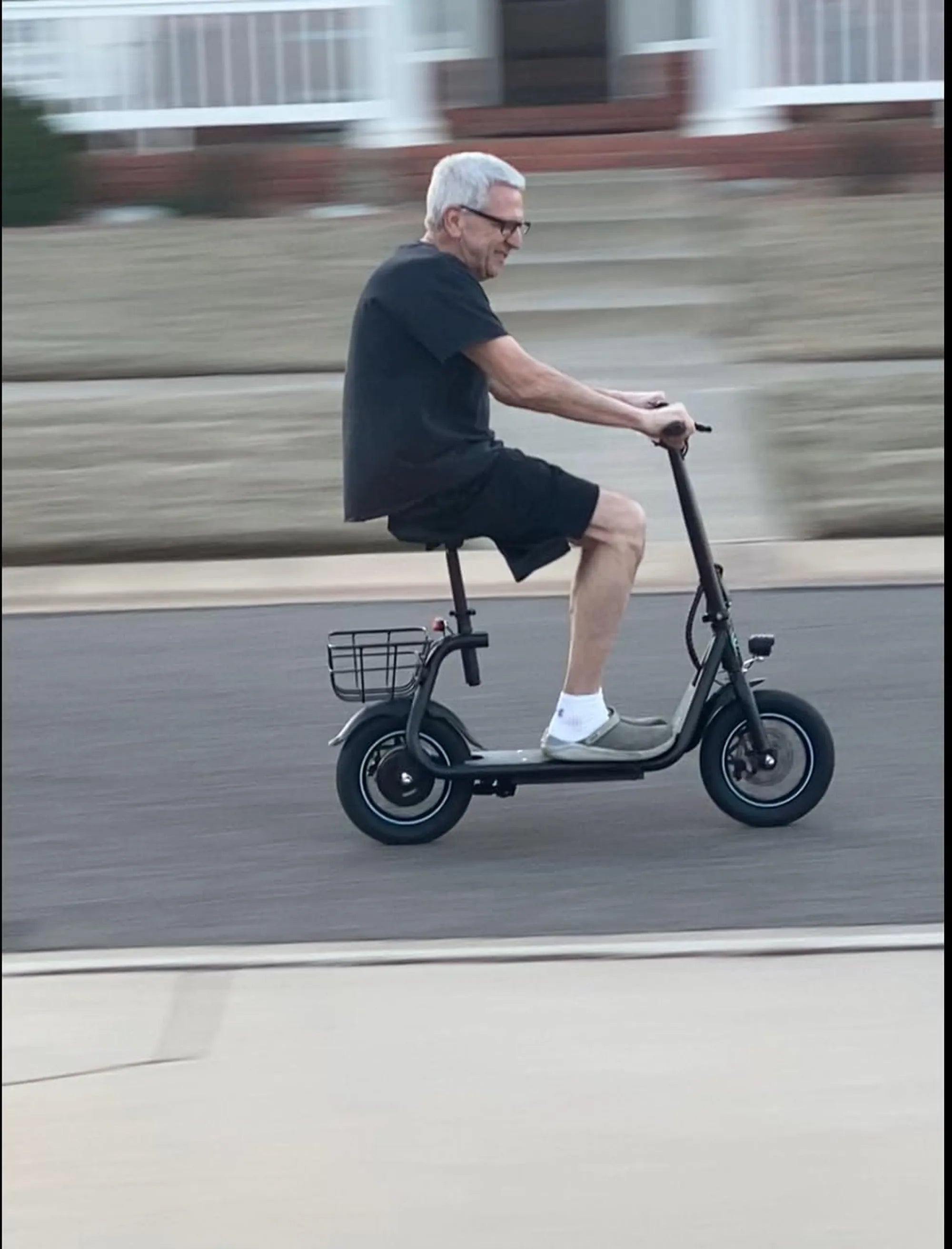
Electric bikes, or e-bikes, have surged in popularity as a convenient and eco-friendly mode of transportation. But one question continues to stir controversy: Is an e-bike a motorized vehicle? The answer isn’t as straightforward as it seems, with legal definitions varying by region and practical considerations blurring the lines between traditional bicycles and motor-powered machines. Whether you’re a commuter, a trail enthusiast, or a policymaker, understanding this distinction is crucial for navigating regulations and ensuring safe usage.
The Legal Landscape: How E-Bikes Are Classified
Globally, e-bike regulations differ significantly, but most jurisdictions categorize them based on power output, speed capabilities, and whether pedal assistance is required. In the United States, for example, the Consumer Product Safety Commission (CPSC) defines e-bikes as bicycles if they meet three criteria:
- A motor with a maximum output of 750 watts (1 horsepower)
- A top speed of 20 mph when powered solely by the motor
- Functional pedals for human propulsion
However, some states go further, classifying e-bikes into three tiers (Class 1, 2, and 3) based on speed and throttle mechanisms. Meanwhile, in the European Union, e-bikes are limited to 250 watts and 15.5 mph (25 km/h) to qualify as bicycles. Stray beyond these limits, and the vehicle may be reclassified as a moped or motorcycle, subject to stricter licensing and insurance requirements.
Why the Distinction Matters
Labeling an e-bike as a motorized vehicle carries significant implications:
- Access to Infrastructure: Many bike lanes and trails prohibit motorized vehicles, leaving e-bike riders in a gray area.
- Licensing and Registration: If deemed motorized, e-bikes could require licenses, registration, or even insurance, adding barriers to adoption.
- Safety Standards: Motorized classification may trigger stricter manufacturing and equipment rules, such as mandatory mirrors or turn signals.
Advocates argue that treating e-bikes like traditional bicycles encourages sustainable transportation, while opponents raise concerns about speed disparities and safety risks in shared spaces.
E-Bikes vs. Traditional Motorized Vehicles
Unlike motorcycles or scooters, e-bikes retain the core functionality of bicycles. Their electric assist is designed to augment—not replace—human effort, making them distinct from fully motorized vehicles. Key differences include:
| Feature | E-Bike | Motorized Vehicle |
|---|---|---|
| Power Source | Pedal-assist or throttle (limited) | Full throttle, no pedals |
| Speed Limit | Typically 20–28 mph | Often exceeds 30 mph |
| Regulatory Burden | Minimal (in most areas) | Licensing, registration, insurance |
This table highlights why many argue e-bikes occupy a middle ground, blending the efficiency of motors with the accessibility of bicycles.
The Future of E-Bike Regulations
As e-bike technology advances, so too must the frameworks governing them. Some emerging trends include:
- Uniform Definitions: Efforts to standardize e-bike classifications across states and countries.
- Infrastructure Adaptation: Cities expanding bike lanes and charging stations to accommodate e-bikes.
- Safety Innovations: Enhanced braking systems and speed governors to address concerns.
Policymakers face the challenge of balancing innovation with public safety, ensuring e-bikes remain an accessible option without compromising road etiquette.
Whether you’re zipping through city streets or exploring rugged trails, the question Is an e-bike a motorized vehicle? shapes your ride in unexpected ways. As laws evolve and technology progresses, staying informed ensures you can enjoy the freedom of e-biking while respecting the rules of the road. The debate isn’t just about semantics—it’s about shaping the future of urban mobility.
Speed Balance Bike: The Ultimate Guide to Choosing and Riding
E4 Scooter Error: Causes, Fixes, and Prevention Tips