



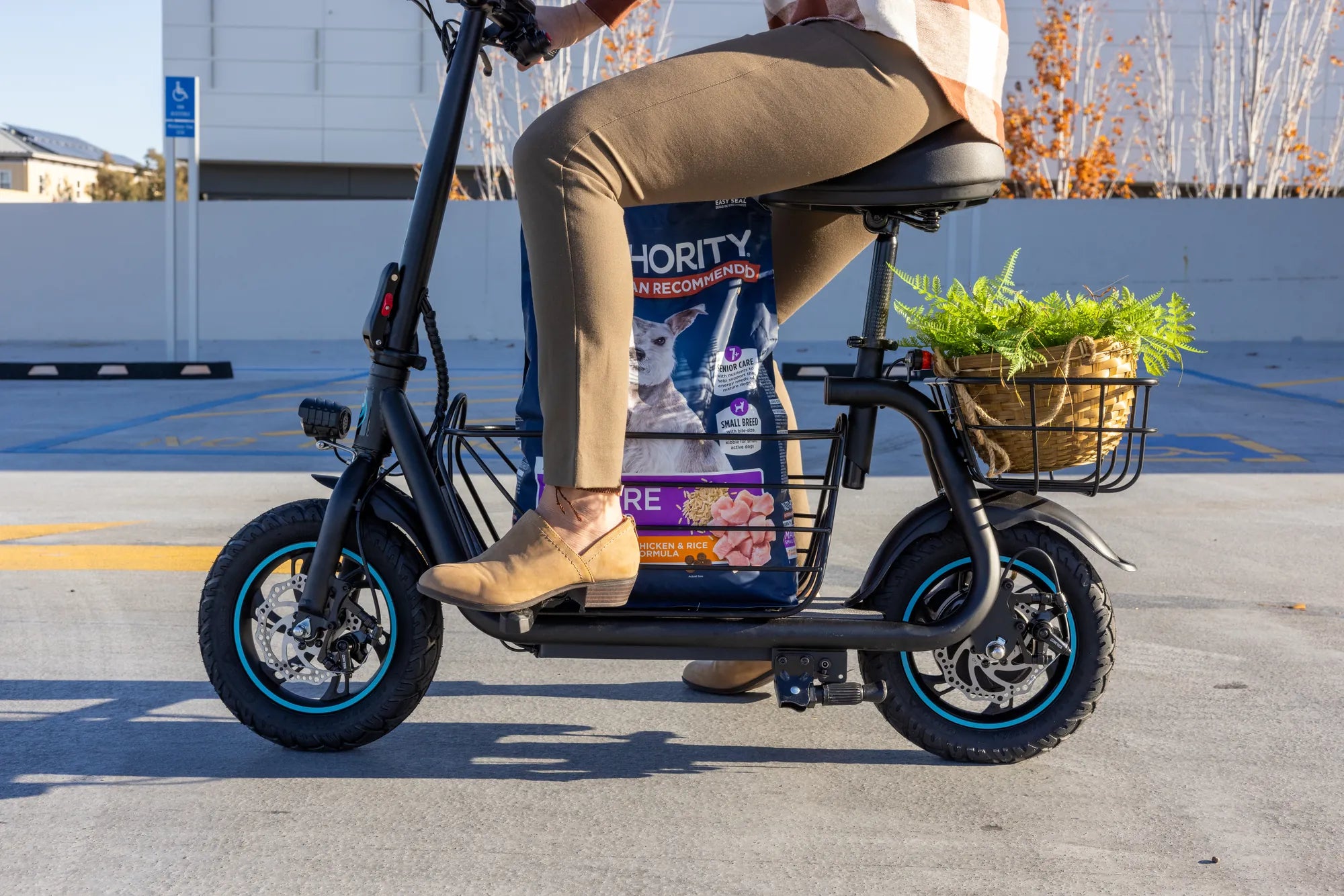
Electric bikes have surged in popularity as a convenient and eco-friendly mode of transportation. But one question often arises: Is an electric bike considered a motor vehicle? The answer isn't as straightforward as you might think, and it depends on local laws, bike specifications, and how they're used. Let's dive into the details to clear up the confusion.
Understanding Electric Bike Classifications
Electric bikes, or e-bikes, come in different classes, and these classifications often determine whether they're treated as motor vehicles. Here's a breakdown of the most common categories:
- Class 1: Pedal-assist only, with no throttle, and a maximum speed of 20 mph.
- Class 2: Throttle-assisted, with a maximum speed of 20 mph.
- Class 3: Pedal-assist only, with a maximum speed of 28 mph.
In many regions, Class 1 and 2 e-bikes are not classified as motor vehicles, while Class 3 may face stricter regulations. Always check local laws to ensure compliance.
Legal Definitions of Motor Vehicles
The classification of e-bikes hinges on how motor vehicles are defined in your area. Generally, a motor vehicle is any self-propelled device designed for transportation. However, many jurisdictions exempt low-speed electric bikes from this definition if they meet specific criteria, such as:
- Maximum power output (often 750 watts or less).
- Speed limits (typically 20-28 mph).
- Operational features (e.g., pedal-assist vs. throttle-only).
For example, in the U.S., federal law distinguishes e-bikes from motor vehicles if they adhere to these guidelines. State laws may vary, so it's crucial to research your local regulations.
How E-Bikes Differ from Motorcycles and Scooters
Unlike motorcycles or scooters, e-bikes are designed to augment human power rather than replace it. Key differences include:
- Power Source: E-bikes combine pedal power with electric assistance, while motorcycles rely solely on engines.
- Speed: Most e-bikes are capped at 20-28 mph, whereas motorcycles can reach much higher speeds.
- Licensing: E-bikes often don't require a license, registration, or insurance, unlike motor vehicles.
These distinctions often place e-bikes in a unique legal category, separate from traditional motor vehicles.
Global Perspectives on E-Bike Regulations
E-bike laws vary widely across the globe. Here's a snapshot of how different regions handle them:
- Europe: E-bikes are limited to 25 km/h (15.5 mph) and 250 watts to avoid motor vehicle classification.
- Australia: E-bikes must adhere to a 25 km/h limit and 250 watts to be exempt from motor vehicle rules.
- Canada: Regulations differ by province, but most follow similar speed and power restrictions.
These variations highlight the importance of understanding local laws before riding an e-bike.
Practical Implications for Riders
If your e-bike isn't classified as a motor vehicle, you can enjoy benefits like:
- No need for a driver's license or registration.
- Access to bike lanes and trails where motor vehicles are prohibited.
- Lower costs compared to owning a motorcycle or car.
However, if your e-bike exceeds local limits, you may face fines, restrictions, or even confiscation. Always ride responsibly and within legal boundaries.
Future of E-Bike Legislation
As e-bikes grow in popularity, lawmakers are continually updating regulations to accommodate them. Some trends to watch include:
- Standardized definitions for e-bikes across jurisdictions.
- Expanded access to bike lanes and infrastructure.
- Potential changes to speed and power limits.
Staying informed about these developments will help you navigate the evolving landscape of e-bike ownership.
Whether you're a daily commuter or a weekend adventurer, knowing how your e-bike is classified can save you from legal headaches and enhance your riding experience. Always check local laws, ride safely, and enjoy the freedom that comes with this innovative mode of transportation!
Brown County Indiana Mountain Biking: Trails, Tips, and Adventure Awaits
Brown County Indiana Mountain Biking: Trails, Tips, and Adventure Awaits