


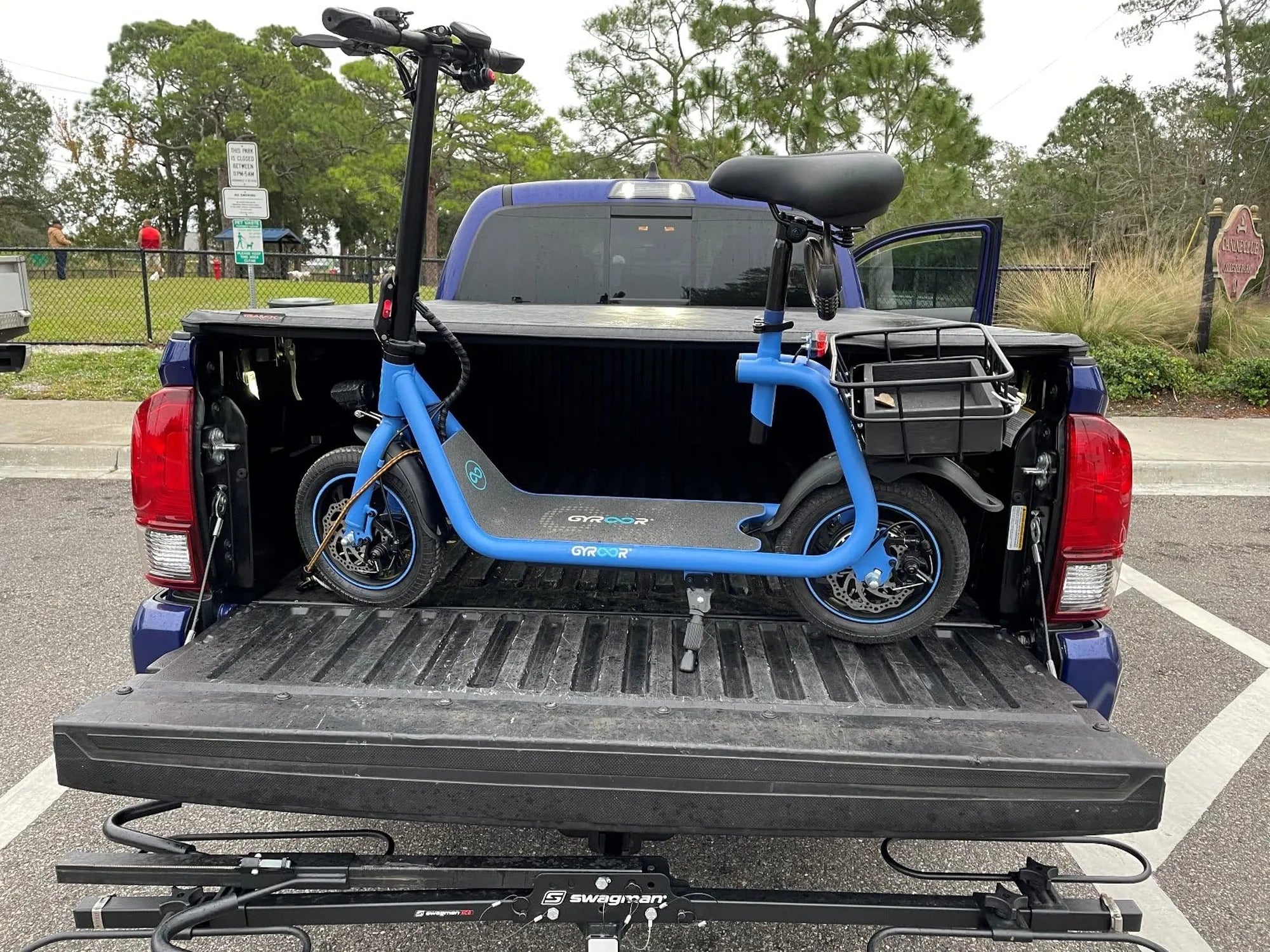
Electric dirt bikes are gaining popularity for their eco-friendly performance and off-road capabilities, but many riders wonder: is an electric dirt bike street legal? The answer isn’t straightforward, as it depends on local laws, bike specifications, and additional modifications. In this article, we’ll break down the key factors that determine whether you can legally ride your electric dirt bike on public roads.
Understanding Street Legal Requirements
For any vehicle to be considered street legal, it must meet specific safety and operational standards set by local transportation authorities. These standards typically include:
- Lighting: Headlights, taillights, brake lights, and turn signals.
- Mirrors: At least one rearview mirror.
- Horn: An audible warning device.
- Tires: DOT-approved tires for road use.
- Registration and Insurance: Proper documentation and coverage.
Electric dirt bikes designed for off-road use often lack these features, making them illegal for street riding unless modified.
Local Laws and Regulations
Laws regarding electric dirt bikes vary widely by country, state, and even city. Some regions classify them as motorcycles, while others treat them as bicycles or off-road vehicles. Key considerations include:
- Speed and Power Limits: Some areas restrict street-legal electric bikes to a maximum speed (e.g., 20-28 mph) or motor wattage.
- Age and Licensing: Riders may need a driver’s license, motorcycle endorsement, or minimum age requirement.
- Helmet Laws: Many jurisdictions mandate helmets for electric bike riders.
Always check with your local Department of Motor Vehicles (DMV) or transportation authority for the most accurate information.
Modifying an Electric Dirt Bike for Street Use
If your electric dirt bike isn’t street legal out of the box, you may be able to modify it to comply with regulations. Common upgrades include:
- Adding Lights: Install headlights, taillights, and turn signals.
- Installing a Horn: A simple aftermarket horn can meet requirements.
- Swapping Tires: Replace knobby off-road tires with DOT-approved street tires.
- Obtaining a License Plate: Some states allow modified dirt bikes to be registered as motorcycles.
Keep in mind that modifications can be costly and may void warranties, so weigh the pros and cons before proceeding.
Pros and Cons of Riding an Electric Dirt Bike on the Street
Before hitting the road, consider these advantages and drawbacks:
Pros
- Eco-Friendly: Zero emissions and quiet operation.
- Cost-Effective: Lower maintenance and fuel costs compared to gas-powered bikes.
- Versatility: Ride on and off-road with the right modifications.
Cons
- Legal Risks: Fines or impoundment for non-compliance.
- Limited Range: Battery life may restrict long-distance travel.
- Safety Concerns: Less visibility and protection than traditional motorcycles.
Alternatives to Street-Legal Electric Dirt Bikes
If making your dirt bike street legal seems too complicated, consider these alternatives:
- Dual-Sport Electric Bikes: Designed for both on- and off-road use.
- Electric Motorcycles: Built to meet street-legal standards from the factory.
- Trailering: Transport your dirt bike to off-road locations.
Exploring these options can save time and hassle while keeping you compliant with local laws.
Riding an electric dirt bike on the street can be a thrilling experience, but it’s crucial to understand the legal landscape first. By researching regulations, making necessary modifications, or exploring alternatives, you can enjoy your bike responsibly—without running afoul of the law. Ready to hit the road? Make sure your ride is up to code first!
16 Inch Electric Bike: The Ultimate Guide to Compact and Efficient Commuting
Kids Dirt Bike Electric: The Ultimate Guide to Safe and Fun Off-Road Adventures