


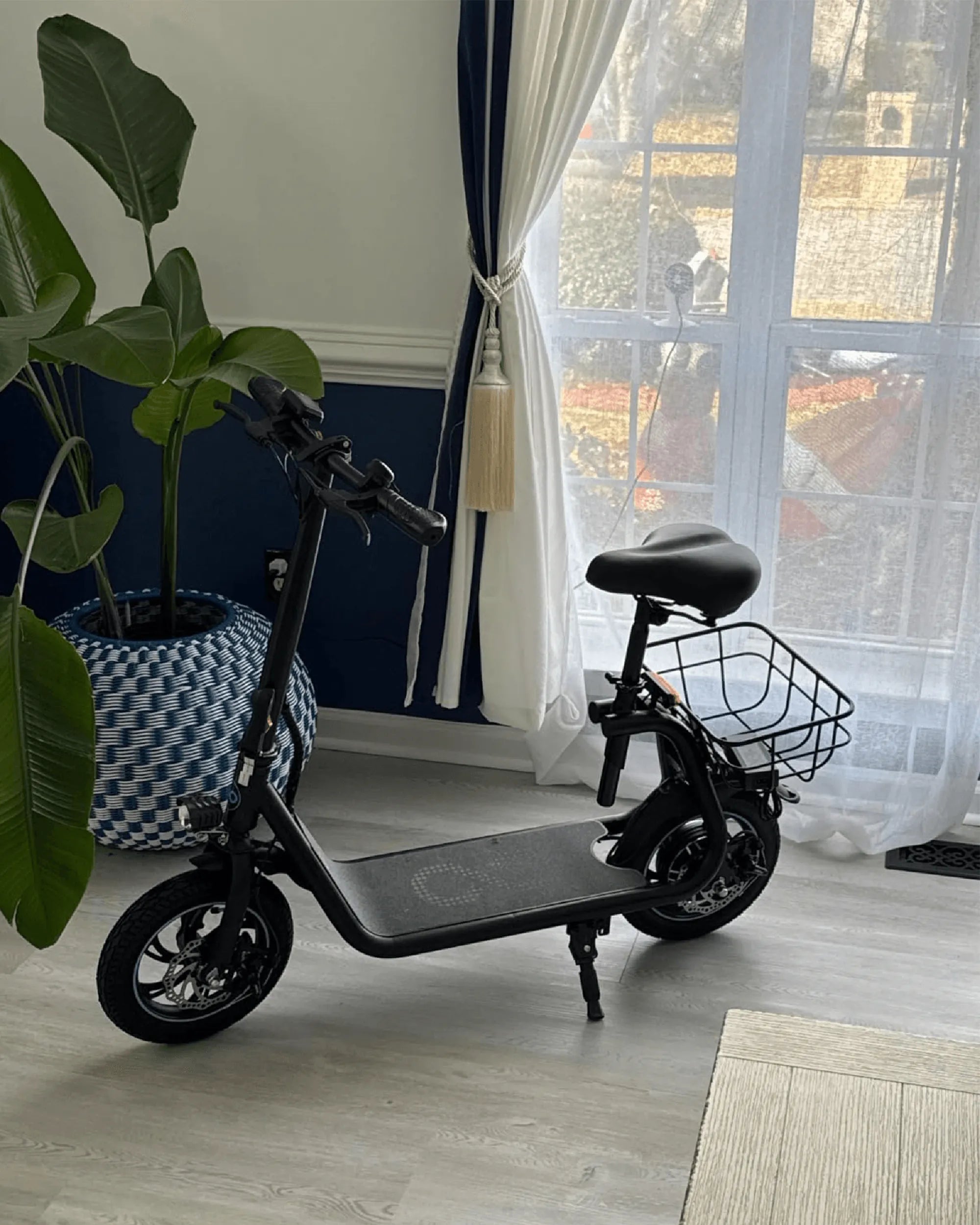
Electric scooters, or escooters, have taken urban transportation by storm, offering a convenient and eco-friendly way to navigate crowded cities. But as their popularity grows, so does the debate: is an escooter a motor vehicle? The answer isn't as straightforward as you might think, and it has significant implications for riders, lawmakers, and urban planners alike.
Legal Definitions of Motor Vehicles
To determine whether an escooter qualifies as a motor vehicle, we must first examine how motor vehicles are defined legally. In most jurisdictions, a motor vehicle is broadly defined as a self-propelled vehicle designed for transporting people or goods on public roads. This definition typically includes cars, trucks, and motorcycles—but where do escooters fit in?
Many regions have specific laws that exclude low-speed electric scooters from the motor vehicle category. For example, some states classify escooters as "personal mobility devices" if they meet certain criteria, such as having a maximum speed below 20 mph and a motor with limited power output. However, other areas treat them similarly to mopeds or motorcycles, requiring registration, insurance, and even a driver's license.
Safety and Regulatory Concerns
The debate over whether escooters are motor vehicles isn't just academic—it has real-world consequences for safety and regulation. If escooters are classified as motor vehicles, riders may be subject to stricter rules, such as helmet laws, age restrictions, and traffic regulations. On the other hand, treating them as bicycles or pedestrian devices could lead to lax enforcement and increased accidents.
Studies have shown that escooter-related injuries are on the rise, often due to collisions with cars or pedestrians. This has prompted calls for clearer regulations, including designated lanes, speed limits, and mandatory safety gear. The question of classification plays a pivotal role in shaping these policies.
Practical Implications for Riders
For everyday riders, the classification of escooters as motor vehicles could mean added costs and responsibilities. Insurance requirements, licensing fees, and vehicle inspections might become mandatory, potentially discouraging casual use. Conversely, if escooters remain outside the motor vehicle category, they could continue to offer a flexible and affordable transportation option—but with fewer safeguards in place.
Urban planners also face challenges. Cities must decide whether to integrate escooters into existing motor vehicle infrastructure or create separate systems akin to bike lanes. The right approach could reduce congestion and pollution, while the wrong one might lead to chaos on the roads.
Global Perspectives on Escooter Classification
The legal status of escooters varies widely around the world. In some European countries, escooters are treated similarly to bicycles, with minimal regulation. In parts of Asia, they're often banned outright from sidewalks and roads due to safety concerns. Meanwhile, in the U.S., the lack of a unified federal standard has resulted in a patchwork of state and local laws.
This inconsistency creates confusion for riders who travel between regions and for companies that operate shared escooter services. A clearer, more harmonized definition could help streamline regulations and improve safety.
The Future of Escooter Legislation
As escooters become more ingrained in urban transportation, lawmakers are under pressure to update outdated regulations. Some advocate for a new category altogether—one that acknowledges the unique characteristics of escooters without lumping them in with traditional motor vehicles.
Technological advancements, such as improved battery life and collision-avoidance systems, could also influence how escooters are classified. If they can be proven safer than cars or motorcycles, regulators might be more inclined to treat them as a distinct mode of transport.
Whether you're a daily rider or just curious about the future of urban mobility, the question is an escooter a motor vehicle will shape how cities evolve. The answer could determine everything from traffic laws to infrastructure investments—making it a topic worth watching closely.
Commuter Ebike: The Ultimate Guide to Urban Transportation
60 mph escooter: The Future of High-Speed Urban Mobility