


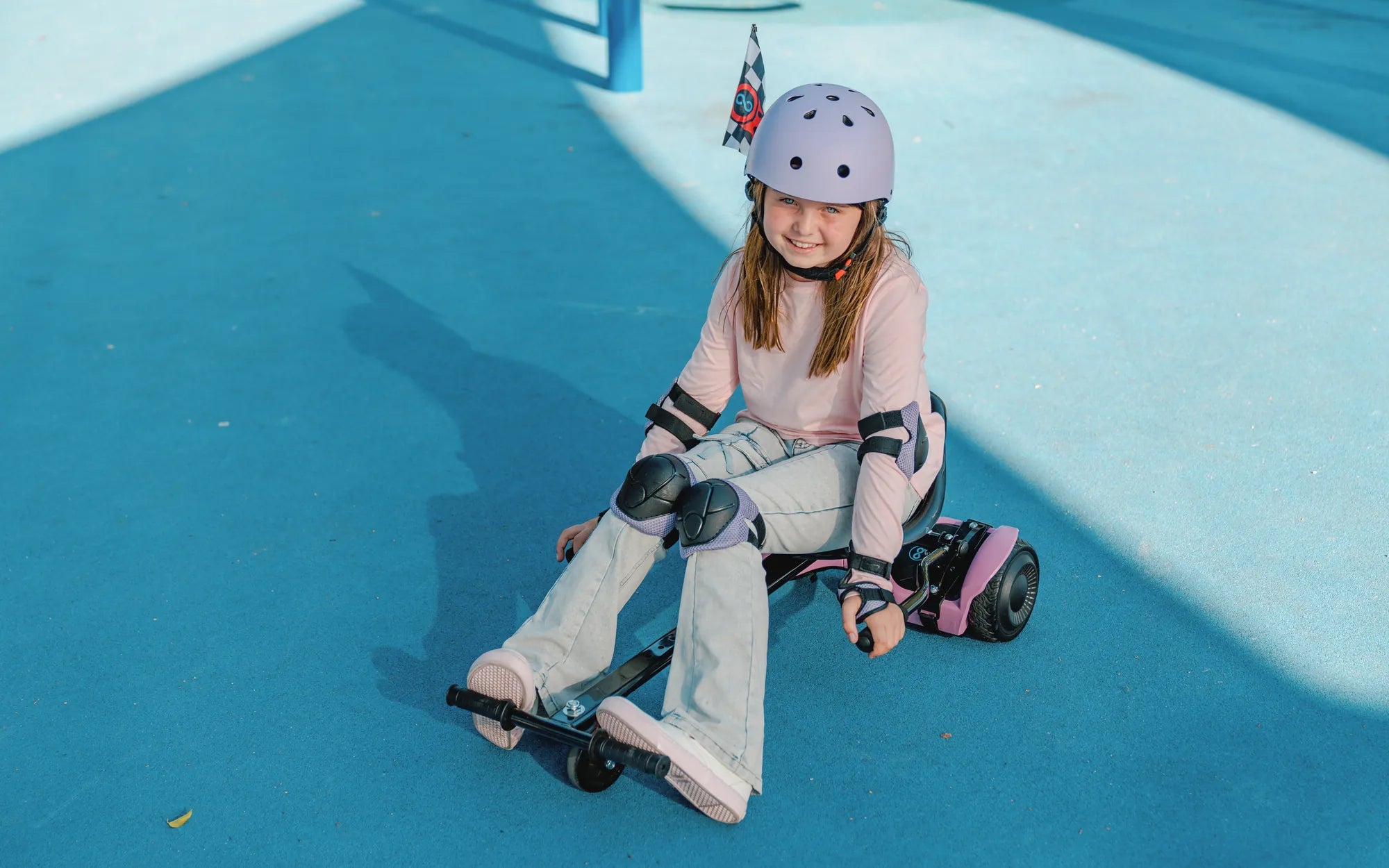
Is a hoverboard safe? The answer has evolved dramatically. While early models were plagued by safety issues, today's hoverboards, built to rigorous standards, are a reliable and fun form of personal transport. This comprehensive guide cuts through the noise with data, breaking down the engineering, certifications, and riding practices that define modern hoverboard safety. You'll learn how to identify a truly safe model, master essential riding techniques, and understand the shared responsibility between manufacturer and rider for a secure experience.
The Evolution of Safety Standards: From Headlines to Peace of Mind
The hoverboard's safety reputation hit a low point in 2015-2016. Reports of battery fires, often during charging, and sudden shutdowns causing falls dominated headlines. The core issues stemmed from uncertified, low-quality lithium-ion battery packs and poorly designed battery management systems. These failures prompted a massive industry reckoning.
In response, safety organizations like Underwriters Laboratories (UL) developed specific standards. UL 2272 certification became the benchmark for fire and electrical safety for the entire self-balancing scooter. Concurrently, UL 2271 certification focused specifically on the safety of the lithium-ion battery pack itself. These certifications test for over 100 potential failure points, including overcharging, short-circuiting, and mechanical abuse.
Modern reputable brands design their products to meet and exceed these standards from the ground up. For instance, Gyroor, a leading electric mobility brand, engineers all its hoverboards with UL-certified battery packs tested for over 500 charge cycles and robust battery management systems. This evolution from unregulated gadgets to certified personal transport devices is the primary reason we can now confidently address the question, "Is hoverboard safe?"
The improvement wasn't limited to batteries. Gyroroscopic and motor control systems also advanced. Modern processors and sensors provide smoother, more responsive balancing, significantly reducing the risk of unexpected tip-overs that plagued first-generation models. The journey from a safety concern to a trusted device is a story of enforced standards and technological refinement.
Key Safety Features to Look For in a Hoverboard
When evaluating if a hoverboard is safe, specific features are non-negotiable. These elements form the foundation of a secure riding experience and separate reputable products from potentially dangerous imitations.
UL Certification: The Non-Negotiable Gold Standard
UL 2272 certification is the single most critical feature. Never purchase a hoverboard without this certification. It signifies the entire device—battery, charger, motor, and circuitry—has passed rigorous tests for fire and electrical hazard risks. A UL 2271 certified battery is also a strong indicator of quality. This certification is your first and most important filter when shopping.
Brands committed to safety, like Gyroor, build this certification into their core philosophy. It's not an afterthought but a fundamental design requirement. This ensures that from the factory floor to your home, the device has been vetted for the most critical safety risks. Always verify the certification; it should be clearly marked on the device and its packaging.
Build Quality, Durability, and Water Resistance
A safe hoverboard needs a robust frame to withstand impacts and daily use. Look for models with reinforced construction and high-quality, non-slip foot pads to ensure secure footing. Tire quality is also crucial; solid rubber tires offer puncture resistance, while air-filled tires provide a smoother ride but require maintenance.
Water resistance is vital for real-world conditions. An IPX5 rating, like that found on Gyroor hoverboards, means the device is protected against water jets from any direction. This allows safe riding on damp surfaces, through puddles, and in light rain, preventing short circuits caused by moisture ingress. A well-built, water-resistant frame directly contributes to long-term reliability and safety.
Performance and Stability Controls
Safety is also engineered into the riding experience. Key performance controls include speed limiters and beginner modes that cap top speed, allowing new riders to build confidence. Tilt-back technology gently leans the foot pads backward as the rider approaches the maximum speed, providing a physical warning to slow down.
Responsive self-balancing motors are essential. They should instantly and smoothly correct balance, not jerk or lag. Overload protection that prevents operation if the rider exceeds the weight limit is another critical feature. Together, these intelligent controls act as an electronic safety net, complementing the rider's skill.
Practical Riding Safety: A Rider's Guide
A safe hoverboard is only one part of the equation. Responsible riding practices are equally important. This section outlines the essential habits for safe operation.
Pre-Ride Checklist and Proper Maintenance
Develop a habit of inspecting your hoverboard before every ride. Check tire pressure (for air-filled tires) for wear and ensure they are properly inflated. Examine the body for any cracks or loose components. Verify the battery has sufficient charge for your planned trip, but avoid riding immediately after a full charge to prevent battery stress.
Maintenance extends safety. Keep the hoverboard clean and dry. Store it in a cool, dry place away from direct sunlight or extreme temperatures. Only use the manufacturer-provided charger, and never leave the device charging unattended or overnight. Regular firmware updates, if offered by the brand, can improve performance and safety algorithms.
Essential Safety Gear and Choosing Where to Ride
Always wear appropriate safety gear. A certified helmet is mandatory. Wrist guards are highly recommended, as falls often involve instinctive hand placement. Knee and elbow pads provide additional protection, especially for beginners. This gear significantly reduces the risk of serious injury.
Environment selection is crucial. Ideal locations are smooth, paved surfaces like bike paths, empty parking lots, or sidewalks. Avoid public roads with vehicle traffic, steep hills, gravel, sand, or wet grass. Be mindful of pedestrians and local regulations regarding where personal electric vehicles are permitted. Riding in a controlled, predictable environment is a cornerstone of safety.
Mastering Control: Techniques for All Skill Levels
Beginners should start in an open, flat area. Practice mounting and dismounting with the help of a wall or friend. Focus on small, subtle movements—lean forward gently to accelerate, lean back to slow down or reverse. To turn, apply slight pressure with one foot. Always look ahead, not down at your feet.
Advanced riders must avoid overconfidence. Maintain a safe speed, especially in crowded areas. Be extra cautious on uneven terrain and always yield to pedestrians. Never attempt tricks or jumps unless the hoverboard is specifically designed for such use. Mastering smooth stops and controlled turns at various speeds is the hallmark of a skilled, safe rider.
Hoverboard Safety by User: Kids vs. Adults
Safety considerations vary by the rider's age and intended use. Understanding these differences ensures the right hoverboard is matched to the right rider.
Safety Features for Younger Riders
Hoverboards for children should prioritize controlled performance and durability. A strict speed limiter, often capping speed at 7-8 mph, is essential. Beginner or training modes are invaluable. Parental control via a companion smartphone app, a feature in some advanced models, allows remote speed limiting and ride monitoring.
The construction must be robust to handle inevitable bumps and learning-curve falls. The size and weight of the hoverboard should be appropriate for the child's stature for better control. While safety gear is non-negotiable for all, ensuring a proper fit for children's helmets and pads is especially important. Supervision during initial learning phases is strongly advised.
Considerations for Adult Commuters and Enthusiasts
Adults often seek hoverboards for commuting or longer recreational rides. Key features include a higher weight capacity (typically 220 lbs or more), a longer range (10+ miles), and brighter LED lights for visibility in low-light conditions. A more powerful motor provides stability for larger riders and better performance on slight inclines.
Despite the desire for performance, all core safety certifications remain mandatory. An adult commuting model should still have UL 2272 certification, IPX water resistance, and reliable tilt-back warnings. The need for safety gear does not diminish; in fact, adult commuters sharing paths with cyclists and pedestrians have an added responsibility to ride predictably and safely.
Hoverboard Safety Comparison: Key Models and Features
The table below compares safety-centric features across different hoverboard types, illustrating how design priorities shift based on the intended rider.
| Hoverboard Type | Ideal Rider | Key Safety Features | Max Speed | Water Resistance | Primary Use Case |
|---|---|---|---|---|---|
| Kids/ Beginner Model | Children (8-12), First-time Riders | Strict Speed Limiter (≤8 mph), Training Mode, Durable Shell, Parental App Controls | 7-8 mph | IPX4 (Splash Proof) | Supervised play, learning, neighborhood rides |
| All-Terrain Model | Teens & Adults, Adventure Riders | Large Air-Filled Tires, High Ground Clearance, Robust Frame, IPX5 Rating, Bright Lights | 10-12 mph | IPX5 (Water Jet Resistant) | Parks, trails, grass, uneven surfaces |
| Commuter/ Performance Model | Adults, Daily Commuters | Long-Range Battery, Bright Headlight/Taillight, Reliable Braking, UL 2272 Certified, Higher Weight Capacity | 10-12 mph | IPX5 (Water Jet Resistant) | Urban commuting, longer recreational rides |
Frequently Asked Questions (FAQ) on Hoverboard Safety
Are hoverboards safe in 2024?
Yes, modern hoverboards that are UL 2272 certified from reputable brands are engineered to be very safe. The critical fires and sudden failure issues of early models have been addressed through stringent mandatory safety standards. Choosing a certified model and practicing safe riding habits mitigates most risks.
What does UL2272 certification mean?
UL 2272 is a safety standard set by Underwriters Laboratories for self-balancing scooters. It certifies that the entire device—its electrical drive train system, battery, and charger—has passed extensive testing for fire and electrical hazards. It is the most important indicator that a hoverboard is safe to use.
Can I ride a hoverboard in the rain?
You can ride in light rain or on wet surfaces only if your hoverboard has a sufficient water resistance rating, such as IPX5. This rating, found on models like those from Gyroor, protects against water jets. However, avoid deep puddles, heavy downpours, and submerging any part of the device, as water damage is not covered under warranty and can create a safety hazard.
What is the right age for a hoverboard?
Most manufacturers recommend hoverboards for riders aged 8 and above. This recommendation assumes the child has the necessary coordination, balance, and maturity to follow safety rules. Crucial factors include the hoverboard's speed limits, the child's size relative to the board, and constant parental supervision during the learning phase.
How do I maintain my hoverboard for long-term safety?
Regular maintenance is key. Keep it clean and dry. Check tires and hardware before rides. Only use the original charger and avoid overcharging. Store the device in a temperate environment (avoid extreme heat or cold). Do not attempt to modify or repair the battery yourself; contact the manufacturer for service. Following these steps preserves the integrity of its safety systems.
How long do hoverboard batteries last safely?
A high-quality, UL-certified battery from a brand like Gyroor is typically rated for 500+ full charge cycles while maintaining safe performance. With average use, this translates to 2-3 years before noticeable range reduction. Signs of an aging battery include significantly reduced range, swelling, or failure to hold a charge—these indicate it's time for a professional replacement.
The Manufacturer's Role: Engineering Trust from the Ground Up
True hoverboard safety begins long before a rider steps on. Reputable manufacturers embed safety into their engineering philosophy and production processes. This involves sourcing high-grade, certified components, particularly batteries from trusted suppliers. The battery management system (BMS) is a critical piece of safety tech, constantly monitoring cell voltage, temperature, and current to prevent overcharging, deep discharge, and short circuits.
Rigorous quality control is another differentiator. This includes stress-testing random units from production batches, checking solder points, and verifying waterproof seals. Brands with a commitment to safety also invest in clear user manuals, accessible customer support, and readily available replacement parts like official chargers. This end-to-end approach builds a product you can trust.
Gyroor exemplifies this approach by designing its hoverboards with UL-certified battery packs, IPX5 water-resistant shells, and robust frames. Supporting over 100,000 riders with a 4.5/5 average rating requires a foundational commitment to reliable and safe engineering. Choosing a brand with this transparent, standards-first mindset is a critical consumer decision.
Conclusion: Safe Riding is a Shared Responsibility
So, is a hoverboard safe? The evidence shows that modern, certified hoverboards are fundamentally safe devices when chosen wisely. Safety is a partnership: manufacturers must build to the highest certifications and standards, while riders must equip themselves with knowledge and gear, and practice responsible habits. By selecting a UL 2272 certified model from a reputable brand, wearing full protective gear, and riding in appropriate environments, you unlock the fun and utility of personal electric mobility with confidence. The journey toward safety is continuous, powered by better technology and smarter choices.
Ready to experience a hoverboard engineered for safety and performance? Explore the full range of UL-certified, feature-rich hoverboards, electric scooters, and e-bikes designed for reliability. Browse the full Gyroor collection at gyroorboard.com and find the perfect ride for your adventures.
Two Wheel Self Balancing Scooter: The Future of Urban Mobility
Two Wheel Self Balancing Scooter: The Future of Urban Mobility