

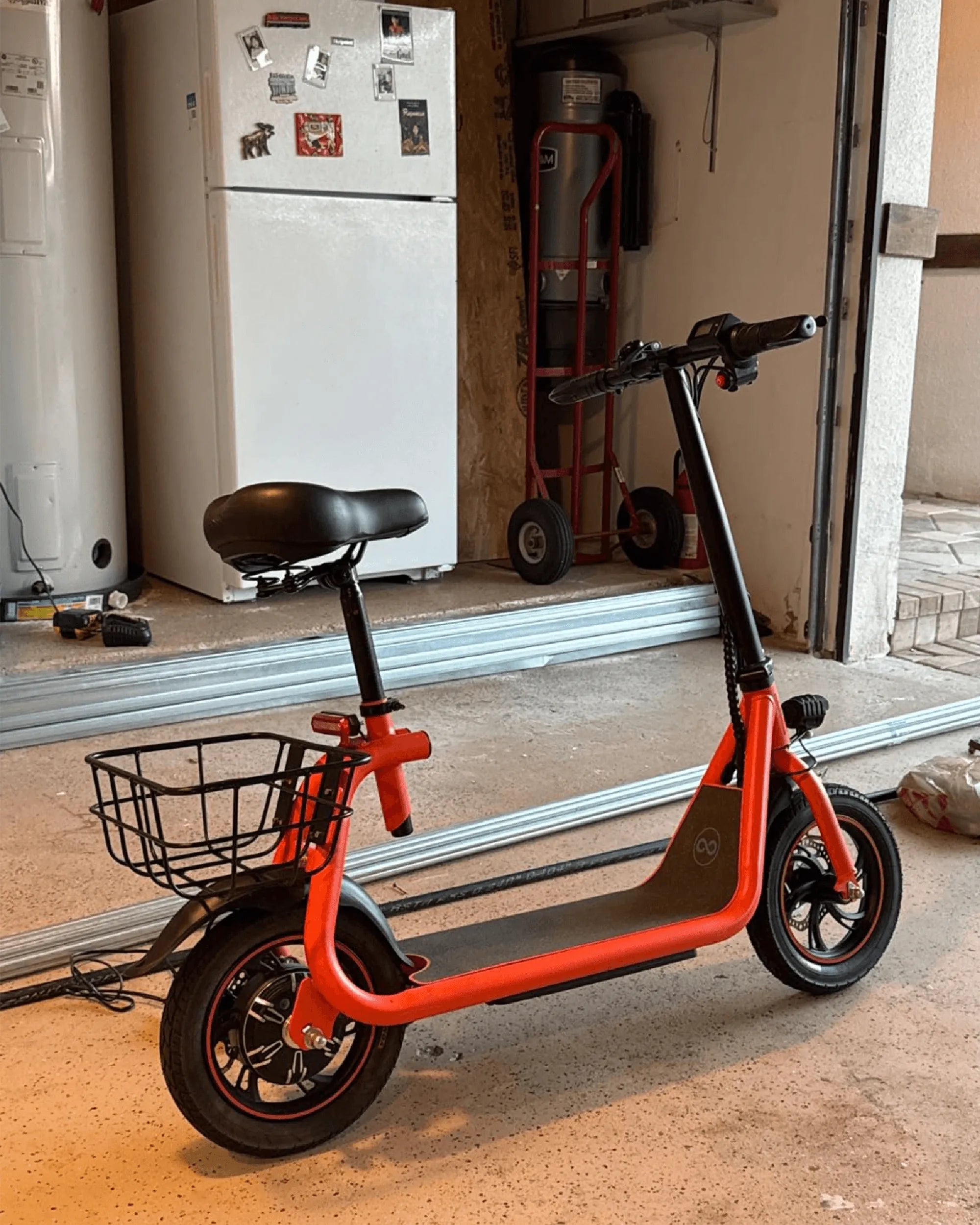
Electric scooters have taken cities by storm, offering a convenient and eco-friendly way to zip through traffic. But as their popularity grows, so do questions about their legality. Is it illegal to use electric scooters? The answer isn’t straightforward—it depends on where you ride, how you ride, and local regulations. Let’s dive into the legal landscape of e-scooters to help you avoid fines and stay safe.
The Legal Status of Electric Scooters
Electric scooters occupy a gray area in many jurisdictions. While some cities embrace them as part of their transportation ecosystem, others ban them outright. In general, e-scooter legality hinges on three factors:
- Local Laws: Municipalities often set their own rules regarding e-scooter use, including where they can be ridden and whether they require registration.
- State or Provincial Regulations: Some regions classify e-scooters as motor vehicles, subjecting them to the same rules as cars or motorcycles.
- Public vs. Private Property: Riding on sidewalks, bike lanes, or roads may be treated differently under the law.
Where Are Electric Scooters Banned?
Several cities and countries have imposed restrictions or outright bans on electric scooters. Common reasons include safety concerns, pedestrian complaints, and conflicts with existing traffic laws. For example:
- Some cities prohibit e-scooters on sidewalks to protect pedestrians.
- Others ban them entirely due to high accident rates or lack of infrastructure.
- Certain countries require licenses or insurance for e-scooter riders, effectively limiting their use.
Before hopping on an e-scooter, always check local regulations to avoid fines or confiscation.
Safety and Liability Concerns
Even where e-scooters are legal, safety remains a major issue. Accidents involving e-scooters have led to injuries and even fatalities, prompting calls for stricter regulations. Key safety considerations include:
- Helmet Laws: Many areas mandate helmets for e-scooter riders, especially minors.
- Speed Limits: Some jurisdictions cap e-scooter speeds, particularly in pedestrian-heavy zones.
- DUI Laws: Riding an e-scooter under the influence can carry the same penalties as drunk driving.
If you’re involved in an accident, liability can be complex. Riders, scooter companies, and even municipalities may share responsibility depending on the circumstances.
The Future of E-Scooter Regulations
As e-scooters become more prevalent, lawmakers are scrambling to update outdated traffic laws. Many cities are experimenting with designated scooter lanes, parking zones, and rental programs to integrate e-scooters safely. Advocacy groups are also pushing for clearer, more consistent regulations to protect riders and pedestrians alike.
Whether you’re a daily commuter or a weekend joyrider, staying informed about e-scooter laws is crucial. Ignorance won’t hold up in court—so before you hit the streets, make sure you know the rules of the road.
Electric scooters are here to stay, but their legal status is still evolving. By understanding the risks and regulations, you can enjoy the ride without running afoul of the law. Don’t let a lack of knowledge turn your convenient commute into a legal headache—ride smart, ride safe, and stay on the right side of the law.
E Scooter Parking: The Ultimate Guide to Safe and Convenient Solutions
Chinese E Scooter: The Future of Urban Mobility and Sustainable Transportation