


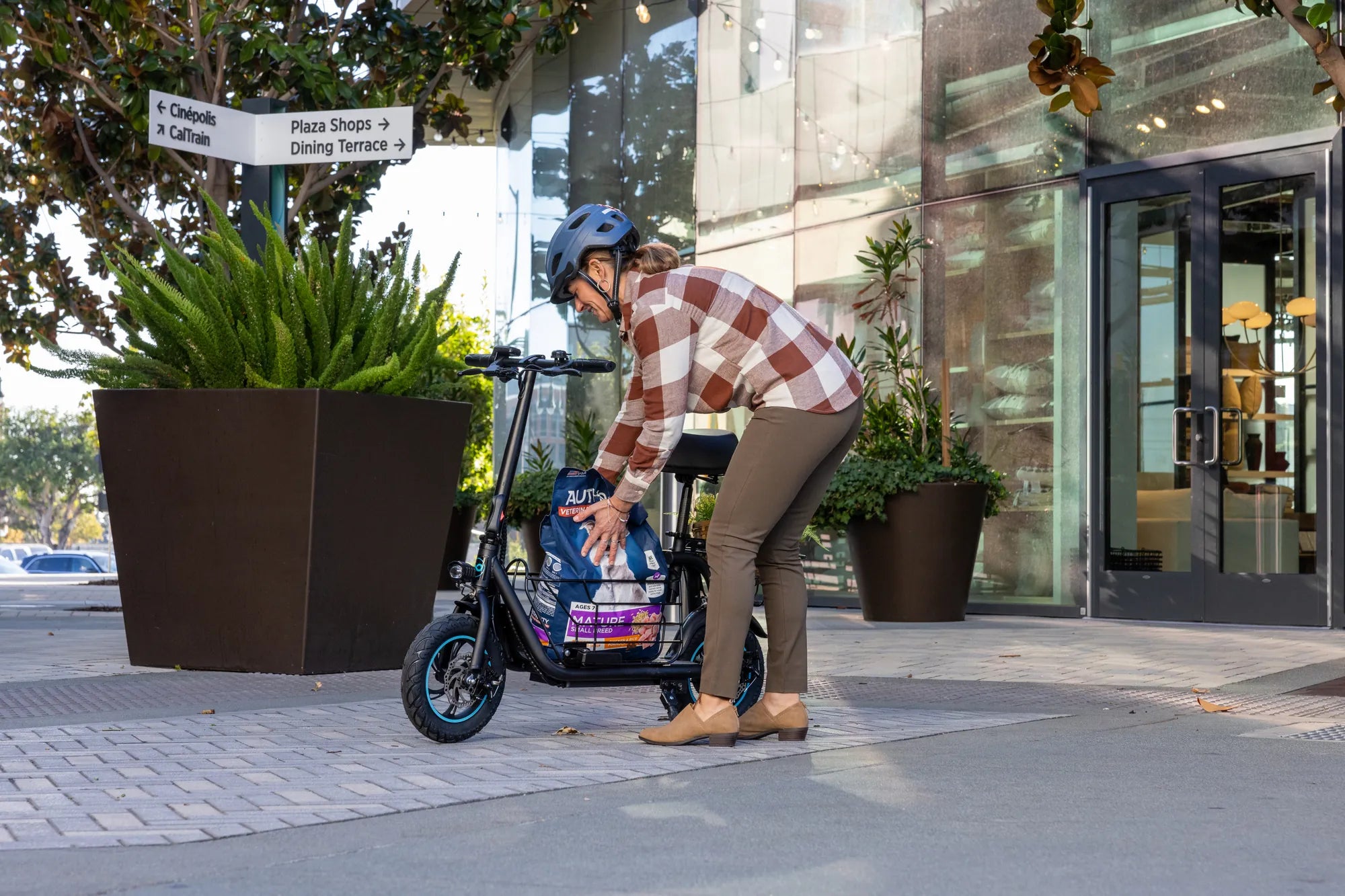
Navigating the Legal Landscape of E-Bikes on Public Roads
For many new and prospective e-bike riders, the question of road legality creates immediate uncertainty. The straightforward answer is yes, it is legal to ride an ebike on the road in most jurisdictions, but this permission is conditional. Legality is not a universal green light; it is a framework defined by your e-bike's technical specifications and the specific laws of your state, county, and city. Navigating this framework is essential for safe, lawful, and enjoyable riding.
This article provides a comprehensive, data-driven guide to e-bike road legality. We will dissect the foundational 3-Class system adopted across North America, outline common legal stipulations for road use, and provide a practical checklist for verifying your local laws. Understanding these rules is not about restriction—it's about empowerment, ensuring you can ride with confidence and avoid potential fines or confiscation.
The confusion often stems from e-bikes occupying a unique space between traditional bicycles and motor vehicles. Regulators have created distinct categories to accommodate this new technology while prioritizing public safety. By the end of this guide, you will know exactly how to determine if your ride is street-legal and where you are permitted to take it.
Understanding the 3-Class E-Bike System: The Foundation of Legality
The cornerstone of modern e-bike regulation in the United States and many other regions is the 3-Class system. This framework, developed by PeopleForBikes and enacted into law by over 40 states, categorizes e-bikes by their top assisted speed and how the motor engages. It is the primary determinant of where you can legally ride.
Class 1 E-Bikes are defined as pedal-assist only, with no throttle. The motor provides assistance only when the rider is pedaling and ceases to provide assistance when the bicycle reaches 20 mph. These are typically permitted anywhere a traditional bicycle is allowed, including bike lanes, paths, and roads.
Class 2 E-Bikes are equipped with a throttle that can propel the bike without pedaling. The motor-assisted speed is also capped at 20 mph. Their throttle operation can sometimes subject them to additional restrictions on multi-use paths or trails, even if Class 1 bikes are allowed, so local law verification is critical.
Class 3 E-Bikes are pedal-assist only (like Class 1) but with a higher top assisted speed of 28 mph. Due to their higher speed, they are often subject to stricter rules, such as a minimum rider age (16 or 18 is common), mandatory helmet use regardless of age, and prohibition on certain bicycle paths. They are almost always allowed on roads and standard bike lanes.
Key Legal Requirements for Road Riding: Beyond Just the Class
Once you've identified your e-bike's class, several other legal requirements typically apply for road use. These rules can vary significantly but often include age restrictions, helmet laws, and equipment mandates. Local ordinances can, and frequently do, add further layers of regulation.
Age and Licensing: For Class 1 and 2 e-bikes, most states do not require a driver's license, registration, or insurance, treating them similarly to bicycles. However, for Class 3 e-bikes, a minimum age requirement (e.g., 16 years) is common. A handful of states may have unique licensing rules for all classes, underscoring the need for local checks.
Helmet Laws: Helmet requirements are rarely uniform. They often differ by class and rider age. For example, a state may mandate helmets for all Class 3 riders and for Class 1/2 riders under 18. Regardless of the law, wearing a helmet certified for bicycle use is a critical safety practice for all riders.
Where to Ride: The general rule is that e-bikes are allowed on roads and in bicycle lanes. Riding on sidewalks is frequently prohibited for all e-bike classes, as local ordinances aim to protect pedestrian safety. Access to multi-use trails, nature paths, and park trails is highly localized and often restricted for Class 2 and 3 e-bikes.
Required Equipment: When riding on public roads, your e-bike may be required to have standard bicycle safety equipment. This often includes a front white light and rear red reflector or light for night riding, a audible warning device like a bell or horn, and reflectors on pedals and wheels.
How to Verify Your Local E-Bike Laws: A Step-by-Step Guide
Assuming state law applies to your entire city can lead to violations. A proactive, methodical approach is necessary to ensure full compliance. Follow this four-step guide to become an expert on your local e-bike regulations.
Step 1: Check State Vehicle Code. Search online for "[Your State] vehicle code e-bike" or "[Your State] e-bike law." Look for the section that defines "electric bicycle" and establishes the 3-Class system. This document outlines the baseline rules for the entire state.
Step 2: Research County and City Ordinances. Your city or county website will have a municipal code. Search for terms like "bicycle," "electric bicycle," "motorized vehicle," or "traffic" within the code. Pay special attention to rules about sidewalk riding, park access, and trail use, as these are commonly regulated locally.
Step 3: Observe Posted Signage. Laws can change based on location. Always look for signage at the entrances to trails, parks, and boardwalks. Signs that say "No Motorized Vehicles" often apply to e-bikes, unless e-bikes are specifically exempted. "No E-Bikes" signs are becoming more common.
Step 4: Consult Local Authorities. If the legal text is unclear, contact your local parks and recreation department for trail rules or your local police department's non-emergency line for road and sidewalk clarification. Local bicycle advocacy groups are also excellent resources for interpreted law.
Avoiding Common Pitfalls: Modifications and Misidentification
One of the fastest ways to turn a legal e-bike into an illegal vehicle is through aftermarket modifications. Additionally, misunderstanding how your e-bike is classified can lead to unintentional violations. Awareness of these pitfalls is key to maintaining legal status.
The Dangers of "Tuning" or "Derestricting": Using tuning kits or software to override an e-bike's speed governor is illegal for road use. A Class 1 e-bike modified to assist past 20 mph no longer meets its class definition and may be reclassified as a moped or motorcycle, requiring registration, insurance, and a license. It also voids warranties and compromises safety systems.
Know Your E-Bike's True Class: Manufacturers are required to label the class, top assisted speed, and motor wattage on the e-bike frame. Before riding in a new area, confirm this label. Do not rely on marketing terms; rely on the printed specification. A bike sold as "off-road" may exceed legal wattage or speed limits for public roads.
Electric Scooters vs. E-Bikes: It is crucial to distinguish between electric kick scooters and e-bikes, as they often fall under different regulatory frameworks. E-scooter laws are even more fragmented and frequently have lower speed limits, different age rules, and distinct geofencing for riding areas. Never assume scooter rules apply to e-bikes or vice versa.
Consequences of Non-Compliance: Riding an illegal or non-compliant e-bike can result in fines, the e-bike being impounded, and in rare cases, misdemeanor charges. It also jeopardizes insurance claims in the event of an accident and increases liability risk.
Gyroor's Commitment to Compliant and Safe Riding
As a leading electric mobility brand trusted by over 100,000 riders, Gyroor designs its products with legality, safety, and rider confidence as top priorities. Our engineering and support processes are built to help riders stay within legal frameworks effortlessly.
Every Gyroor e-bike is clearly labeled with its class designation, top assisted speed, and motor wattage, providing immediate clarity for riders and authorities. We utilize UL-certified battery packs, tested for over 500 charge cycles, which not only ensure long-term reliability but also meet critical safety standards required by many municipalities and insurance providers.
Our models, like the Gyroor C1 and M1, are designed as Class 2 e-bikes, offering versatile throttle and pedal-assist operation up to 20 mph—a specification that aligns with road-legal use in a vast majority of jurisdictions. The IPX5 water-resistant rating on key models ensures durability in real-world conditions, from wet roads to light rain.
We back our commitment with robust support, including a reliable 1-year warranty and accessible U.S.-based customer service to help with documentation or technical questions about your e-bike's specifications. Choosing a Gyroor means selecting a partner dedicated to your lawful and enjoyable riding experience.
E-Bike Class Comparison and Common Use Case Table
This table provides a clear, at-a-glance comparison of the three e-bike classes and their typical legal permissions, helping you match an e-bike to your primary riding environment.
| Feature | Class 1 E-Bike | Class 2 E-Bike | Class 3 E-Bike |
|---|---|---|---|
| Motor Engagement | Pedal-Assist Only | Throttle & Pedal-Assist | Pedal-Assist Only |
| Max Assisted Speed | 20 mph | 20 mph | 28 mph |
| Typical Road Access | Full Access | Full Access | Full Access |
| Typical Bike Lane Access | Yes | Yes | Yes |
| Multi-Use Path/Trail Access* | Most Permitted | Often Restricted | Often Restricted |
| Common Age Restriction | None | None | 16+ or 18+ |
| Ideal Use Case | Trail Riding, Leisure Commuting | Versatile Commuting, Casual Riding | Long-Distance Road Commuting |
*Always subject to local ordinance. This is a general guideline.
Frequently Asked Questions (FAQ) on E-Bike Road Legality
Q1: Do I need a license, registration, or insurance for my e-bike?
A: For Class 1, 2, and 3 e-bikes that comply with their class specifications, the vast majority of U.S. states do not require a driver's license, vehicle registration, or insurance. They are regulated as bicycles. Exceptions exist, so verifying your state law is essential.
Q2: Can I modify my e-bike to go faster and still be legal on the road?
A: No. Modifying an e-bike to exceed its class speed limit (20 mph for Class 1/2, 28 mph for Class 3) almost always invalidates its legal classification. It may then be considered an unregistered motor vehicle, making it illegal for use on public roads, bike paths, and trails without proper licensing and insurance.
Q3: What happens if I ride a Class 3 e-bike where only Class 1/2 are allowed?
A: You are in violation of the local ordinance. Consequences can range from a warning and being asked to leave the path, to a citation and fine. In some areas, repeated offenses could lead to the impoundment of the e-bike.
Q4: Are the laws the same for electric scooters or mopeds?
A> No, the laws are distinctly different. Electric kick scooters often have separate, and frequently more restrictive, rules regarding where they can be ridden (e.g., no sidewalks, lower speed limits on bike paths). Mopeds and motorcycles require licensing, registration, and insurance. It is vital to know the legal definition of your vehicle.
Q5: Is it legal to ride an ebike on the road at night?
A: Yes, but with mandatory equipment. Most states require a front white light visible from at least 500 feet and a rear red reflector or light visible from 600 feet for night riding. Additional reflectors on pedals and wheels are also commonly required. Night riding without proper lights is a traffic violation.
Ride with Confidence by Knowing the Rules
The freedom and utility of e-biking come with the responsibility to understand and follow the law. The core principle is clear: it is legal to ride an ebike on the road, provided your e-bike meets specific class criteria and you adhere to local regulations governing its use. This legal framework exists to ensure safety for you, other road users, and pedestrians.
Proactive research using the steps outlined here is the single most effective action you can take. Choose an e-bike class that aligns with your primary riding needs—whether that's the versatile Class 2 for mixed-use commuting or the efficient Class 3 for longer road-based journeys. Always prioritize safety gear, especially a helmet, regardless of legal minimums.
By riding a compliant e-bike from a responsible brand and knowing your local laws, you protect yourself from penalties and contribute to the positive perception and sustainable growth of micro-mobility. The road is open to you; ride informed, ride safely, and enjoy the journey.
Ready to find a road-legal e-bike that matches your lifestyle? Explore Gyroor's range of UL-certified, class-defined electric bikes and scooters, designed for performance, safety, and compliance. Browse the full Gyroor collection at gyroorboard.com.
How Much Is a Good Dirt Bike: The 2024 Price & Value Guide
Micro E-Bike: The Ultimate Guide to Compact Electric Commuting