



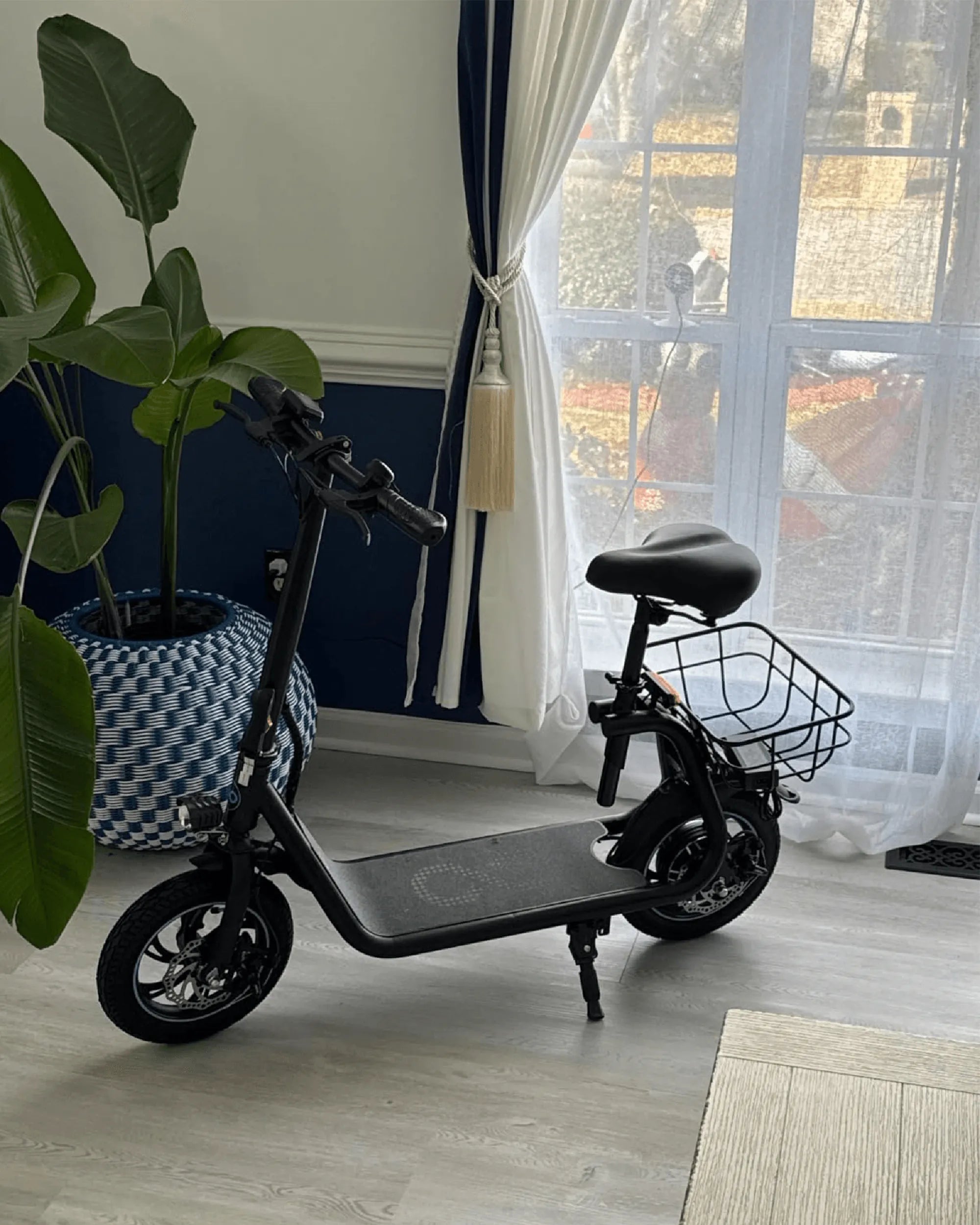
Navigating the Sidewalk Scooter Dilemma
You've just unboxed your new electric scooter, eager to zip to the coffee shop or commute to work. As you step outside, a critical question hits: where are you actually allowed to ride? The immediate, seemingly safe choice—the sidewalk—might be your first instinct, but it could also be illegal and dangerous. The core question, "Is it legal to ride electric scooters on the sidewalk?" has no simple answer. It varies dramatically from one city block to the next, governed by a complex patchwork of local ordinances.
This isn't just about avoiding a ticket. It's about pedestrian safety, your own liability, and ensuring the sustainable future of micro-mobility. This guide will provide the definitive, location-aware framework you need. You'll learn how jurisdictions classify scooters, the compelling reasons behind sidewalk bans, and exactly how to find and interpret the laws in your specific city. We'll also cover the safer, legal alternatives that often provide a better riding experience.
Understanding the Legal Landscape: It's All Local
There is no single federal or universal state law in the U.S. that dictates where you can ride an electric scooter. The authority is almost always delegated to cities, counties, and municipalities. While a few states have passed legislation defining e-scooters, they typically empower local governments to set the specific operational rules, including sidewalk use.
The general trend is clear: most major urban centers prohibit adults from riding e-scooters on sidewalks, classifying them similarly to bicycles. In contrast, suburban or rural areas with fewer pedestrians and less dense traffic may have more permissive rules or no defined rules at all, creating a legal gray zone. This decentralized approach means a rider's responsibilities change the moment they cross a city limit.
How Jurisdictions Classify E-Scooters
The legal treatment of your scooter hinges entirely on its classification. Common categories include:
- Motor Vehicle: If classified as a motor vehicle, the scooter is typically banned from sidewalks and must follow all road rules. This often requires specific equipment like lights, reflectors, and a horn.
- Electric Personal Assistive Mobility Device (EPAMD): A category popularized by the Segway, often granted sidewalk access at low speeds (e.g., 6-8 mph). Many modern e-scooters do not fit this narrow definition.
- Bicycle or "Toy Vehicle": The most common classification. Scooters are treated like bicycles, required to use bike lanes or the road, and explicitly prohibited on sidewalks in most urban areas.
Brands like Gyroor design their scooters with these classifications in mind. Features like UL-certified batteries, bright headlights, taillights, brake lights, and electronic horns are not just for safety—they help ensure models like the Gyroor F1 Pro meet common equipment standards for legal road and bike lane use where sidewalks are off-limits.
The Compelling Case Against Sidewalk Riding
Most city bans on sidewalk scooting aren't arbitrary; they are rooted in concrete safety and liability concerns. Understanding these reasons is key to becoming a responsible rider.
Pedestrian Safety is Paramount. Sidewalks are designed for pedestrian traffic at walking speeds (3-4 mph). An electric scooter traveling at 15-25 mph creates a severe speed differential, drastically reducing reaction time for both the rider and pedestrians. Collisions can cause serious injury to vulnerable individuals like children, the elderly, or those with disabilities. The risk is compounded at driveways and intersections where cars do not expect fast-moving traffic from the sidewalk.
You Assume Significant Liability. If you cause an accident on the sidewalk, you are almost certainly at fault. You could be held financially responsible for medical bills, lost wages, and other damages. Many personal injury attorneys specifically target sidewalk scooter accidents as clear-cut cases of negligence. Your personal insurance may not cover you if you were riding illegally.
It's Often Impractical. Navigating sidewalks means dealing with uneven pavement, utility poles, signage, benches, and dense pedestrian flow. This forces you to slow to a crawl, defeating the purpose of an efficient scooter. The power and performance of a quality scooter, like those from Gyroor with their robust motors and suspension, are wasted and frustrated in such an environment.
Where You Should Ride: Safer, Legal Alternatives
When sidewalks are prohibited, you have clear, and often superior, alternatives. Following these paths not only keeps you legal but dramatically improves your riding experience.
Prioritizing Bike Lanes and Protected Cycling Paths
Dedicated bike lanes are the ideal environment for electric scooters. They provide a designated space separated from both high-speed car traffic and pedestrian foot traffic. When using a bike lane, always ride in the direction of traffic, signal your turns, and maintain a predictable line. Be mindful of cyclists—you are sharing the space. Use a bell or polite vocal signal when passing.
For shared-use paths (multi-use paths), which are common in parks and along waterways, the rules shift. These paths are shared with pedestrians, cyclists, skaters, and others. The key is to reduce speed, yield to pedestrians, and pass with extreme caution. A scooter's quiet operation means pedestrians may not hear you approaching from behind.
Navigating City Streets Safely and Confidently
When a bike lane isn't available, riding on the road is your legal and proper option. This requires a defensive riding mindset.
- Ride With Traffic: Always ride in the same direction as traffic, never against it. Riding against traffic is a leading cause of collisions.
- Take the Lane: On narrow streets, it's safer to "take the lane" by positioning yourself in the center of the right-hand lane, making yourself visible to drivers behind you. Do not hug the curb where you are less visible and risk hitting debris.
- Obey All Traffic Signals: Act like a vehicle. Stop at red lights and stop signs. Use hand signals for turns.
- Be Visible: Use lights day and night. Gyroor scooters come equipped with bright LED headlights and brake-activated taillights for this exact reason. Wear reflective clothing or accessories in low-light conditions.
- Wear a Helmet: This is non-negotiable for safety, and it's the law for minors in most places and for all riders in many cities.
How to Find Your Local Laws: A Step-by-Step Guide
Don't guess. Use this concrete methodology to research the rules for your exact location.
Step 1: Check Your City's Department of Transportation (DOT) Website. Search for "[Your City] DOT electric scooter rules" or "micromobility regulations." This is often the most direct source for official policy.
Step 2: Search Your Municipal Code. Go to your city's official website and find the municipal code (e.g., "Los Angeles Municipal Code"). Use the search function for terms like "motorized scooter," "electric scooter," "personal mobility device," or "sidewalk." Look for chapters on vehicles or traffic.
Step 3: Consult Scooter-Share Company FAQs. Even if you own a private scooter, companies like Lime or Bird operate under strict city permits. Their "How to Ride" or city-specific FAQ pages for your area will clearly state local sidewalk rules to ensure their users comply.
Step 4: Review Your State Vehicle Code. While local rules dominate, your state's vehicle code (e.g., California Vehicle Code) may have overarching definitions for "motorized scooter" that set a baseline. Search for the same terms as in Step 2.
Data Snapshot: Sidewalk Riding Policies in Major U.S. Cities
This table illustrates the diversity of local rules. Always verify with current official sources, as laws can change.
| City | Sidewalk Riding Allowed? | Key Conditions & Notes | Typical Fine for Violation |
|---|---|---|---|
| New York City, NY | ❌ Prohibited | E-scooters are legal but must ride in bike lanes or on roads with speed limits ≤30 mph. No sidewalk riding at any time. | $100 - $500 |
| Los Angeles, CA | ❌ Prohibited | City ordinance explicitly bans motorized scooters on sidewalks. Riding in bike lanes or on streets (≤25 mph) is required. | $197 |
| Chicago, IL | ❌ Prohibited | Sidewalk riding is illegal. Scooters must use bike lanes or roads (except highways). Helmets required for all. | $50 - $500 |
| Austin, TX | ❌ Prohibited | Not allowed on sidewalks in the downtown core and other business districts. Allowed on streets and bike lanes. | $120 |
| Washington, D.C. | ⚠️ Conditional | Prohibited on most downtown sidewalks (as posted). Allowed in other areas, but riders must yield to pedestrians and not exceed 10 mph. | $50 |
FAQ: Your Top Sidewalk Scooter Questions Answered
Q: What's the typical fine for riding an e-scooter on the sidewalk?
Fines vary widely but commonly range from $50 to over $500 in major metropolitan areas. In cities like Los Angeles and New York, fines are aggressively enforced and can be a significant financial penalty. Multiple offenses may lead to higher fines or even impoundment of the scooter.
Q: Are there any exceptions to sidewalk bans?
A few jurisdictions may allow sidewalk riding for very low-speed devices (under 10 mph) or for children under a certain age. Some cities allow it as a "last-mile" exception if no bike lane or safe road alternative exists for a short block, but this is rare. Never assume an exception applies without checking the specific municipal code.
Q: How do rules differ for private e-scooters vs. rental scooters?
In the eyes of the law, there is usually no distinction. The same traffic and sidewalk ordinances apply to both. However, rental companies geofence their scooters to slow down or stop on sidewalks in prohibited zones, while a private scooter rider has to self-enforce. Police may also target rental scooters more visibly in crackdowns.
Q: Can I ride on the sidewalk if I'm just learning or going very slow?
Legally, almost never. The law does not typically have a "learner's permit" clause for sidewalk use. The safest place to learn is an empty parking lot, a closed track, or a wide, empty multi-use path during off-hours. Gyroor recommends all new riders spend time in a controlled, car-free environment to master controls and braking before hitting any public right-of-way.
Q: Does my Gyroor warranty cover issues if I'm in an accident while riding illegally?
The Gyroor limited warranty covers defects in materials and workmanship under normal use. It does not cover damage resulting from accidents, collisions, misuse, or operation that violates local laws. Riding illegally on a sidewalk and crashing could void warranty claims for related damage, in addition to the legal and liability consequences you'd face.
Ride Smart, Ride Legal, Ride With Confidence
The question of "Is it legal to ride electric scooters on the sidewalk?" demands a responsible answer: usually not, and for good reason. The modern urban electric scooter is a vehicle for the road and bike lane ecosystem, not the pedestrian realm. By taking the time to know your local laws, you protect pedestrians, shield yourself from liability, and unlock a smoother, faster, and more enjoyable commute.
Choosing a scooter built for this real-world legal environment is the next critical step. Gyroor designs its electric scooters and e-bikes not just for performance, but for compliant and safe urban mobility. With features like UL-certified battery packs for safety, IPX5 water resistance for all-weather reliability, robust braking systems, and integrated lighting, a Gyroor scooter gives you the confidence to ride legally and effectively where it matters most—on the streets and paths designed for you.
Don't guess where to ride. Know. Then, gear up with equipment that matches your responsible approach to the road. Explore the full range of high-performance, street-legal electric scooters designed for the savvy commuter.
Browse the full Gyroor collection at gyroorboard.com.
Latest News on Electric Scooters: Trends, Innovations, and What's Next
Does Washington DC Have Electric Scooters? A Complete Capital Guide