


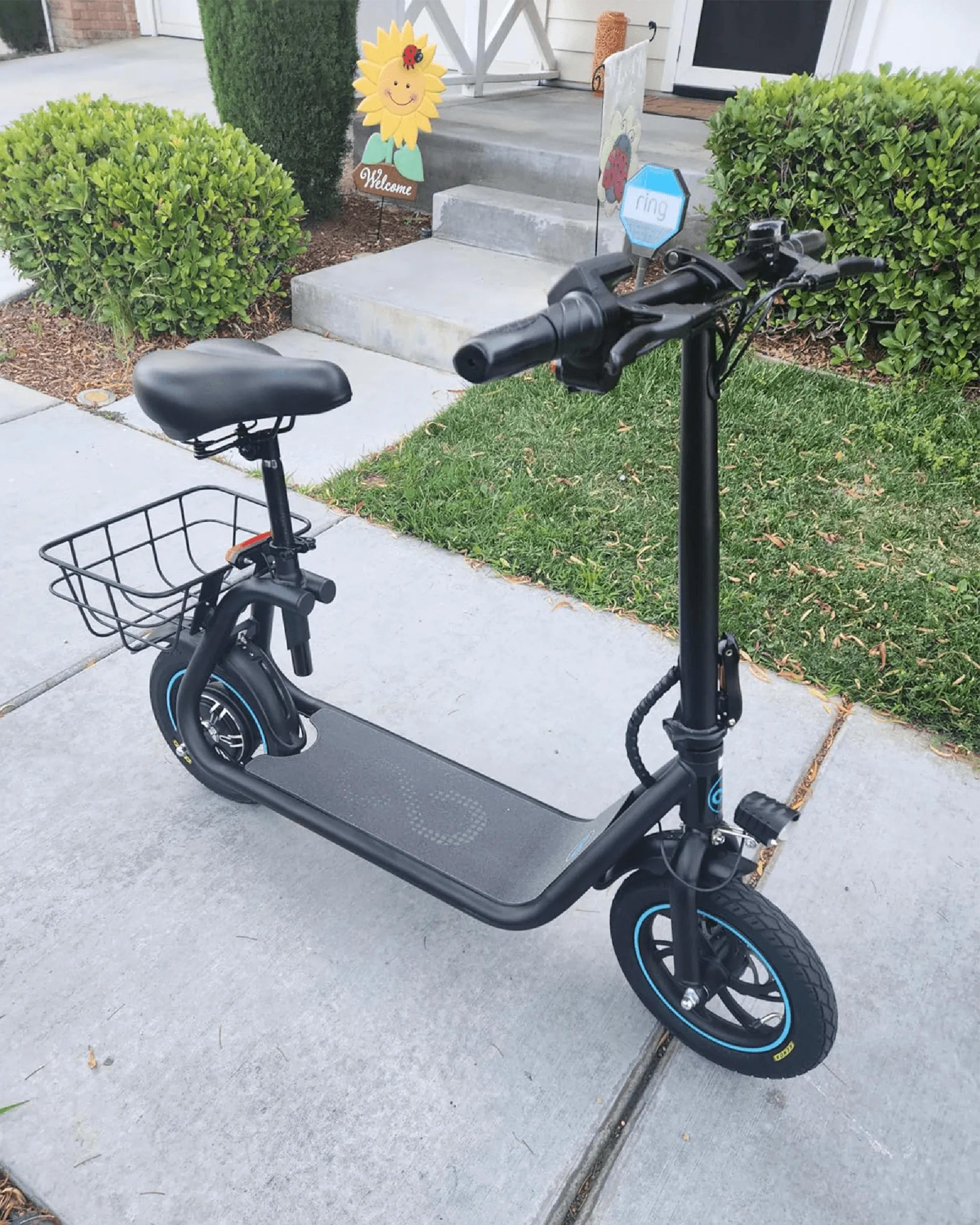
Winter transforms the world into a snowy wonderland, but for electric scooter riders, it also brings a host of challenges. Is it safe to ride an electric scooter in snow? The answer isn't straightforward—while some riders brave the cold with confidence, others avoid it entirely due to safety concerns. Let's dive into the factors that determine whether you should take your e-scooter out in snowy conditions.
The Challenges of Riding an Electric Scooter in Snow
Snow and ice create slippery surfaces, reducing traction and increasing the risk of accidents. Electric scooters, with their small wheels and lightweight frames, are particularly vulnerable to losing control on icy roads. Here are the key challenges:
- Reduced Traction: Snow and ice make it harder for scooter tires to grip the road, leading to skidding or sliding.
- Battery Performance: Cold temperatures can drain the battery faster, reducing your scooter's range.
- Visibility Issues: Snowfall and fog can impair your vision, making it harder to see obstacles or traffic.
- Road Hazards: Hidden potholes, slush, and black ice can catch riders off guard.
Precautions for Safe Winter Riding
If you decide to ride your electric scooter in snow, taking precautions can minimize risks. Follow these safety tips to stay protected:
1. Check the Weather Conditions
Before heading out, check the forecast. Avoid riding during heavy snowfall, freezing rain, or extreme cold. Light snow on cleared roads is generally safer than deep snow or ice.
2. Use Winter-Ready Tires
Standard scooter tires aren't designed for snow. Consider switching to winter or all-terrain tires with deeper treads for better grip. Some riders even add tire chains for extra traction.
3. Dress for the Cold
Wear insulated, waterproof clothing to stay warm and dry. Gloves, a thermal balaclava, and a helmet with a visor will protect you from wind chill and snow.
4. Slow Down and Ride Defensively
Reduce your speed and avoid sudden movements. Brake gently to prevent skidding, and keep a safe distance from vehicles and pedestrians.
5. Maintain Your Scooter
Cold weather can affect battery life and mechanical parts. Store your scooter indoors when not in use, and check tire pressure, brakes, and lights before each ride.
When to Avoid Riding in Snow
Some conditions make riding an electric scooter too dangerous. Avoid riding if:
- The snow is deep or uncleared.
- There's black ice (thin, nearly invisible ice layers).
- Visibility is poor due to heavy snowfall or fog.
- Temperatures drop below your scooter's operating limits.
Expert Opinions on Winter E-Scooter Use
Safety experts and experienced riders have mixed opinions. Some argue that with proper gear and caution, winter riding is manageable. Others warn that the risks outweigh the convenience, especially in areas with frequent snowstorms. If you're unsure, consider alternative transportation during harsh weather.
Riding an electric scooter in snow isn't impossible, but it requires extra caution and preparation. By understanding the risks and taking the right steps, you can make an informed decision—whether to embrace the winter ride or wait for clearer skies.
Electric Motor Scooters Houston: The Ultimate Guide to Urban Commuting
What Is the Best Electric Scooter Company? Top Picks and Buying Guide