



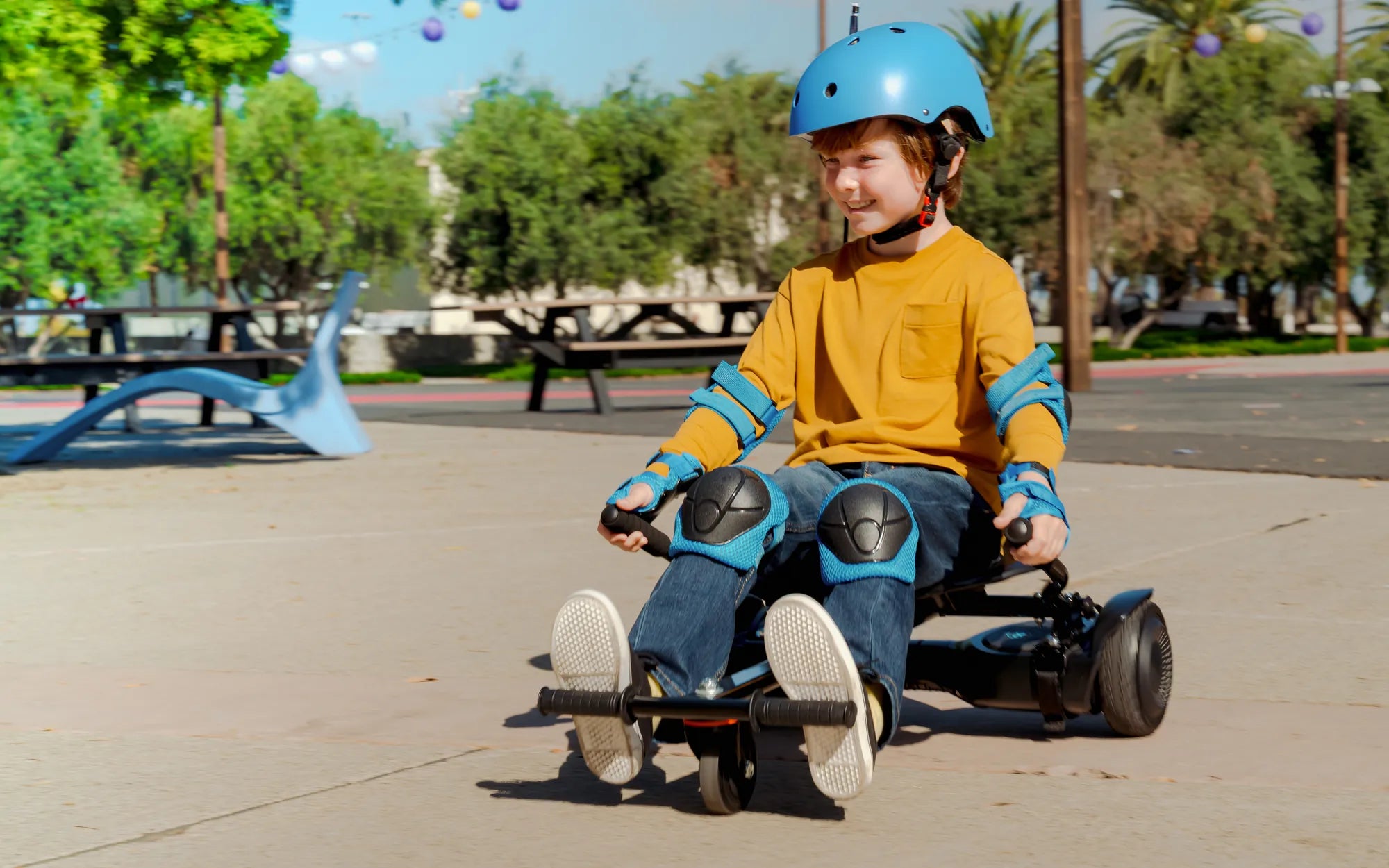
Ever watched someone effortlessly glide on a hoverboard and wondered, "Is riding a hoverboard hard?" You're not alone. Many beginners assume these self-balancing scooters require ninja-like skills, but the truth might surprise you. With the right approach, almost anyone can learn to ride one smoothly—and this guide will show you how.
The Basics of Hoverboard Riding
Hoverboards operate on a simple principle: lean to move. Pressure sensors under the footpads detect shifts in your weight, propelling you forward, backward, or sideways. While this sounds intuitive, first-time riders often struggle with balance and coordination. Here's what makes it challenging—and how to overcome it:
- Balance: Unlike bikes or skateboards, hoverboards demand constant micro-adjustments.
- Foot Placement: Standing too wide or narrow affects stability.
- Speed Control: Leaning too aggressively can lead to spills.
Step-by-Step Learning Process
Mastering a hoverboard follows a progression. Rushing steps leads to frustration, so take it slow:
- Mounting: Hold a wall or railing, place one foot at a time, and find your center.
- Static Balance: Practice standing still before attempting movement.
- Gentle Movements: Shift weight slightly forward to inch ahead.
- Turns: Twist your ankles or apply uneven pressure to pivot.
Common Mistakes (And How to Fix Them)
New riders often repeat these errors, turning hoverboarding into a shaky experience:
| Mistake | Solution |
|---|---|
| Looking down at feet | Focus on the horizon to maintain balance |
| Stiff posture | Bend knees slightly for better shock absorption |
| Overcorrecting | Make small adjustments—hoverboards respond to subtle shifts |
Safety Tips to Build Confidence
Fear of falling holds many beginners back. These precautions help minimize risks:
- Wear a helmet, knee pads, and wrist guards.
- Start on flat, open surfaces like driveways or empty parking lots.
- Avoid crowded areas until you're fully comfortable.
- Check the hoverboard's battery and calibration regularly.
How Long Does It Take to Learn?
Most people achieve basic proficiency within 30–60 minutes of practice. Younger riders often adapt faster due to lower centers of gravity, but age isn't a barrier—just a factor. Consistency matters more than natural talent; daily 15-minute sessions yield better results than sporadic hour-long attempts.
Advanced Techniques for Smooth Riding
Once you've nailed the fundamentals, try these pro-level moves:
- Carving: S-shaped turns that mimic snowboarding.
- Spins: Shift weight abruptly to rotate 180° or 360°.
- Obstacle Navigation: Use quick ankle flicks to hop over small cracks.
So, is riding a hoverboard hard? Not if you respect the learning curve. Within days, you'll likely transition from wobbly first steps to fluid glides—and join the ranks of hoverboard enthusiasts who make it look effortless. Ready to defy gravity? Your smooth ride starts now.
Off Road Hoverboard Price in India: A Comprehensive Buying Guide
How to Charge a Hoverboard Without the Plug: Innovative Solutions