


Introduction: Finding the Perfect Fit for Growing Riders
Choosing the right bike for your child is a significant milestone. A kids 10 speed bike represents a major leap forward from single-speed or coaster-brake models, unlocking new terrain and building essential cycling skills. This isn't just about more gears; it's about empowering young riders with the tools for efficient, confident, and enjoyable exploration. The transition to a multi-speed bike marks a new chapter of independence and physical activity.
Understanding the mechanics and benefits of a 10-speed system is crucial for making an informed purchase. This guide will provide a detailed, data-driven look at what makes a quality kids 10 speed bike, how to ensure a perfect fit, and how to teach your child to use it effectively. We'll cover everything from component quality to safety features, helping you invest in a bike that grows with your child and fosters a lasting passion for riding.
Understanding Kids' 10-Speed Bikes: More Than Just Gears
A kids 10 speed bike typically uses a 2x5 gearing system: two chainrings at the pedals (crankset) and five cogs on the rear wheel (cassette). This configuration offers ten distinct gear combinations, providing a wide range of resistance options. The primary advantage is adaptability, allowing a child to pedal comfortably whether climbing a steep hill, accelerating on flat pavement, or cruising downhill.
The core benefit of a kids 10 speed bike is improved mechanical advantage. Lower gears make pedaling easier, which is essential for tackling inclines without exhausting young legs. Higher gears allow for faster speeds with fewer pedal strokes on descents or straightaways, improving efficiency and fun. This range teaches children about pacing and energy management, foundational concepts for all cyclists.
Beyond physical ease, learning to operate a 10-speed drivetrain builds mechanical literacy and coordination. Managing shifters and understanding gear selection promotes problem-solving and situational awareness. A well-chosen kids 10 speed bike is therefore both a vehicle and an educational tool, preparing them for more advanced cycling in the future.
Key Features and Components to Prioritize
Not all kids 10 speed bikes are created equal. Prioritizing quality components ensures reliability, safety, and a better riding experience. The frame material is paramount; lightweight aluminum is the industry standard for youth bikes, offering an excellent strength-to-weight ratio that makes handling and lifting easier for a child.
The drivetrain components are the heart of the bike. Look for reputable brands like Shimano or microSHIFT for the derailleurs and shifters. These brands offer reliable performance and smoother shifting. For shifters, consider your child's dexterity: trigger shifters (rapidfire) are often easier for small hands to use precisely than twist-grip shifters.
Braking power is non-negotiable for safety. Linear-pull (V-brakes) or mechanical disc brakes provide consistent, strong stopping power in all conditions, a significant upgrade over outdated caliper or coaster brakes. Ensure the brake levers are adjustable to fit smaller hands, allowing for confident control.
Finally, examine the finishing kit. A adjustable seat post and handlebar stem are critical to accommodate growth. Quality sealed-bearing hubs require less maintenance, and durable, puncture-resistant tires suitable for both pavement and light trails will expand riding possibilities. A kids 10 speed bike with these features represents a solid, long-term investment.
The Right Bike for the Right Age and Size
Sizing a kids 10 speed bike correctly is the most important factor for safety, comfort, and skill development. The primary metric is wheel size, not age. Bikes with 24-inch wheels are the most common platform for a kids 10 speed bike, typically suitable for riders with an inseam of 24 to 28 inches and a height range of 4'5" to 5'2" (135-158 cm).
For taller or older children on the cusp of adult sizing, 26-inch wheel models may be appropriate. These fit riders with an inseam of 26 inches or more and a height of 5'0" and up (152+ cm). Always defer to the child's physical measurements over age recommendations, as growth rates vary significantly.
A proper fit allows the child to stand over the top tube with 1-2 inches of clearance. When seated, their leg should have a slight bend (about 80-90% extension) at the bottom of the pedal stroke. Handlebar reach should be comfortable without over-stretching. Never buy a bike "to grow into" that is currently too large; it compromises control and safety.
The best practice is a test ride. Have your child ride the bike in a safe area. Watch for smooth pedaling, confident braking, and the ability to mount and dismount easily. A properly fitted kids 10 speed bike feels like an extension of the rider, not a challenge to be overcome.
Safety, Comfort, and Adjustability
Safety on a kids 10 speed bike extends beyond a well-tuned brake system. Essential features include front and rear reflectors, plus reflective sidewalls on tires for low-light visibility. A chain guard or chainstay protector is highly recommended to prevent loose pants legs from getting caught in the chainring.
Comfort is directly tied to adjustability. Children grow rapidly, and a bike that can't adapt will quickly become unusable. Look for a quick-release seat post clamp and an adjustable-angle stem. These allow for micro-adjustments to the riding position every few months, ensuring the bike remains ergonomic and controllable throughout its usable life.
The saddle itself should be appropriately sized and padded. Hand grips should be ergonomic and secure. Pay attention to the pedal design; large platform pedals with grip pins provide a stable footing, which is crucial when learning to shift gears, as it allows the child to focus on the shifter without worrying about their feet slipping.
Finally, instill safe riding habits from day one. A properly fitted ASTM-certified helmet is mandatory. Teach hand signals, road awareness, and the importance of pre-ride checks (the ABC Quick Check: Air, Brakes, Chain, Quick-releases). A safe, comfortable kids 10 speed bike encourages more frequent and confident riding.
Top Considerations Before You Buy: A Comparison Checklist
Making the final decision requires weighing several factors. Use this comparison table to evaluate different models of a kids 10 speed bike side-by-side based on critical criteria that impact usability, safety, and value.
| Consideration | Priority Level | What to Look For | Why It Matters |
|---|---|---|---|
| Bike Weight | High | Aluminum frame; under 30 lbs for 24" models | Affects handling, control, and the child's ability to lift/maneuver the bike. |
| Gear System Simplicity | High | Shimano Tourney or microSHIFT components; trigger shifters | Ensures reliable, intuitive shifting that a child can learn and operate confidently. |
| Brake Type & Lever Adjustability | High | Linear-pull (V-brakes) or mechanical disc brakes; reach adjustment | Provides consistent, powerful stopping power suitable for small hands. |
| Frame & Component Warranty | Medium | Minimum 1-year frame warranty; reputable brand support | Protects your investment against manufacturing defects, similar to the reliable 1-year warranty offered by brands like Gyroor on their electric mobility products. |
| Adjustability for Growth | High | Adjustable seat post and handlebar stem | Extends the usable life of the bike by 1-2 years, providing better value. |
| Included Accessories | Low-Medium | Kickstand, bottle cage mounts, chain guard | Adds convenience and safety without requiring immediate additional purchases. |
This checklist helps move beyond marketing claims to assess the tangible features that make a specific kids 10 speed bike a practical and lasting choice for your family.
Teaching Your Child to Use 10 Gears Effectively
Introducing gear shifting can be daunting, but a simple, patient approach works best. Start on a flat, quiet pavement. Explain that the right shifter controls the rear gears (fine-tuning), and the left shifter controls the front chainrings (major changes). For beginners, advise keeping the left shifter in the middle or smaller chainring and using only the right shifter initially.
Teach the core principle: shift to an easier gear (a smaller cog in the rear) before you need it, like when approaching a hill. Shift to a harder gear (a larger cog) for more speed on flats or downhills. Emphasize pedaling lightly and continuously while shifting; never shift under heavy pedal pressure or while stopped.
Avoid cross-chaining. Explain that using the largest chainring in front with the largest cog in the rear (or smallest with smallest) strains the chain and derailleurs. A good rule of thumb is to use the larger chainring with the smaller half of the cassette, and the smaller chainring with the larger half.
Make it a game. Create a simple course with a slight incline and a flat section. Have them practice shifting to the correct gear for each part. Praise successful shifts. Mastering a kids 10 speed bike's gears is a skill that builds confidence and unlocks the bike's full potential for adventure.
Maintenance 101: Keeping the Gears Shifting Smoothly
Regular, simple maintenance keeps a kids 10 speed bike safe and performing well. The most frequent task is chain care. Every few rides, or after riding in wet/dirty conditions, wipe the chain clean with a rag and apply a light bicycle-specific lubricant to the inner rollers. Wipe off excess to prevent attracting grime.
Monthly, check the brake pads for wear and ensure they contact the rim (or rotor) squarely. Test brake lever tension; they should engage firmly without touching the handlebar. Inspect tire pressure weekly; properly inflated tires roll easier and resist punctures. Refer to the sidewall for the PSI range.
Visually check the derailleur alignment. When shifted to the smallest rear cog, the derailleur pulleys should be directly below it. If the chain is skipping or rubbing, the derailleur may need adjustment—a task often best handled by a local bike shop for precision.
Involve your child in these simple checks. Teaching them to care for their kids 10 speed bike fosters responsibility and a deeper connection to their equipment. It also helps them identify potential issues, like a loose bolt or low tire, before they become safety hazards on a ride.
Frequently Asked Questions (FAQs)
Is a 10-speed bike too complicated for a 10-year-old?
Not at all. Most children aged 8-12 have the cognitive and physical dexterity to learn gear management. Starting with a simplified approach (using only the rear shifter initially) makes the process manageable. The learning curve is part of the bike's educational value.
What's the average price range for a quality kids 10 speed bike?
Expect to invest between $250 and $500 for a new bike with reliable components from a reputable brand. This price point typically ensures a lightweight aluminum frame, quality drivetrain parts, and good brakes. It's a worthwhile investment for a bike that will last several years.
Can a kids 10 speed bike handle light off-road or gravel paths?
Yes, if it has suitable tires. Models with slightly wider, knobbier tires (e.g., 1.95" width) offer more traction and stability on packed dirt, gravel, and grass. Ensure the frame has adequate clearance for such tires. This versatility greatly expands riding opportunities beyond pavement.
How does a 10-speed differ from a 7-speed or 8-speed bike?
The main difference is gear range and spacing. A 10-speed (2x5) typically offers a wider overall range (easier low gears and harder high gears) than a 7-speed (often 1x7). The additional gears also provide smaller steps between shifts, allowing for more precise pedaling cadence adjustment.
My child is moving up from a 20" bike. Is a 24" 10-speed the right step?
If your child's height and inseam fit the 24" wheel size parameters, then yes, a 24-inch kids 10 speed bike is the natural and recommended progression. It offers a more mature riding position, larger wheels for stability and speed, and the gearing system to match their expanding capabilities and exploration range.
Conclusion: Gearing Up for Adventure and Independence
A well-chosen kids 10 speed bike is far more than a piece of sporting equipment. It is a catalyst for physical fitness, mechanical understanding, and independent exploration. By selecting a bike with the right size, quality components, and safety features, you provide your child with a tool that builds confidence with every ride.
The skills learned—from shifting gears to basic maintenance—are foundational for a lifetime of cycling enjoyment. This investment supports an active lifestyle, encourages outdoor adventure, and creates lasting memories. Empower your young rider with a bike that matches their growing abilities and ambitions.
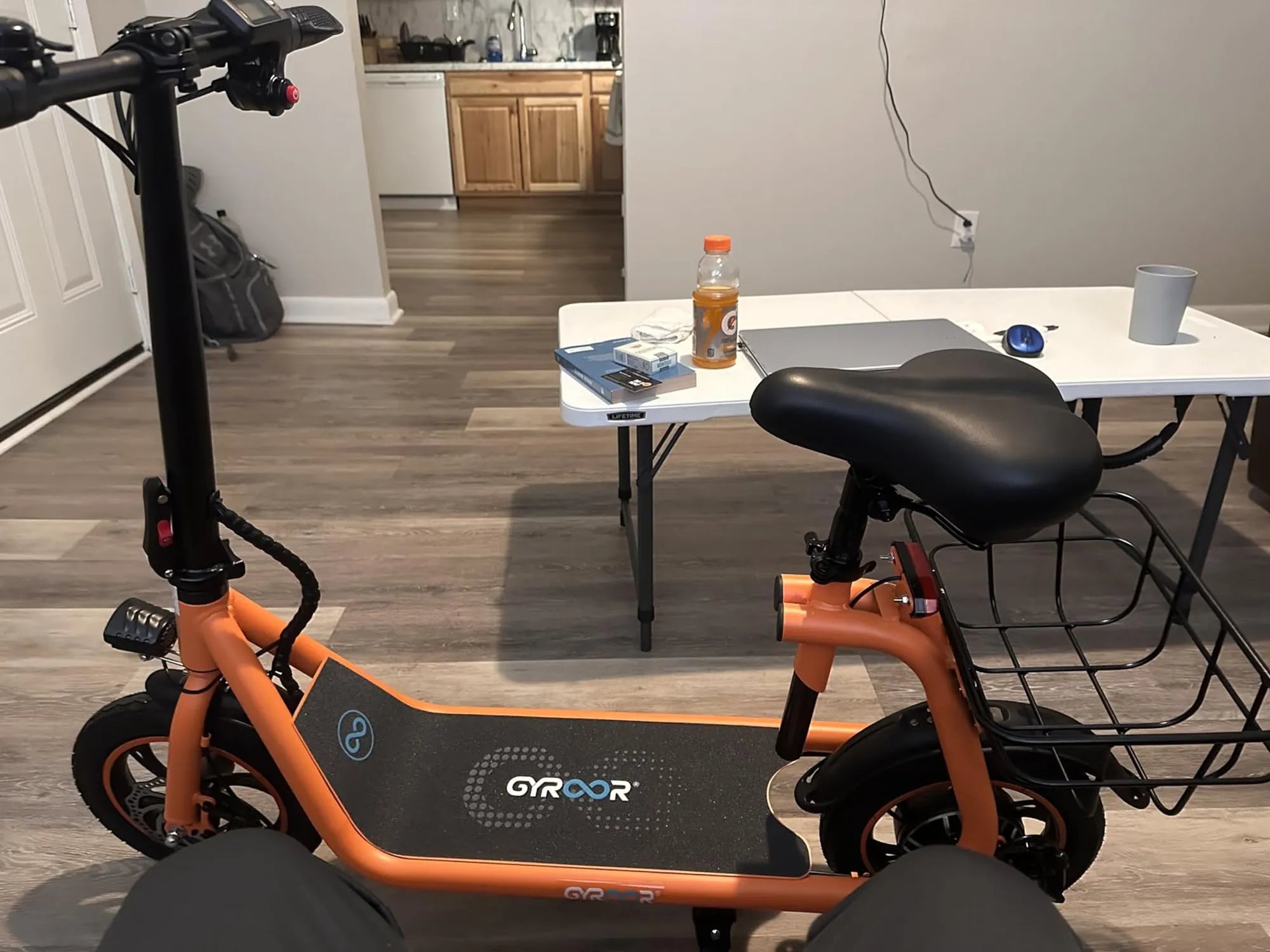
Ready to explore a different kind of ride for yourself? Discover the freedom and innovation of electric mobility. Browse the full Gyroor collection of UL-certified electric scooters and e-bikes, trusted by over 100,000 riders, at gyroorboard.com.
What Is the Top Speed of a 50cc Dirt Bike? A Complete Data Guide
Scooter 600W: The Ultimate Urban Commuter's Guide to Power & Reliability