



Navigating the World of Electric Scooters for 7-Year-Olds
Selecting a kids electric scooter for age 7 marks an exciting milestone in your child's journey toward independent mobility and outdoor fun. This guide cuts through the noise to deliver the factual, safety-first information parents need. We'll explore why age seven is a pivotal time, break down the critical safety specifications, and provide a step-by-step framework for choosing the right model and ensuring safe riding habits. Trusted by over 100,000 riders, Gyroor exemplifies the commitment to UL-certified batteries, IPX5 water-resistant builds, and reliable warranties that parents should demand.
Why Age 7 is a Key Milestone for E-Scooters
Seven years old represents a developmental sweet spot for introducing a low-speed electric scooter. Children at this age have typically developed significantly improved gross motor skills, balance, and coordination compared to younger kids. Their ability to follow multi-step instructions and understand cause-and-effect relationships makes them more capable of learning and adhering to safety rules.
The cognitive leap at this age allows for better risk assessment and judgment calls, such as anticipating a stop or navigating a gentle turn. An electric scooter provides a controlled environment to develop these skills further. It's not just about transportation; it's a tool for building confidence, responsibility, and encouraging regular outdoor physical activity away from screens.
Psychologically, mastering a personal electric vehicle fosters a sense of independence and achievement. However, this readiness is contingent on parental guidance and a scooter designed for their capabilities. The goal is to match the vehicle's performance to the child's developmental stage, ensuring the experience is empowering, not overwhelming.
Essential Safety Features for a 7-Year-Old's E-Scooter
Safety is non-negotiable. The right kids electric scooter for age 7 is defined by a suite of engineered features that prioritize control and stability over raw power or speed. Parents must look beyond aesthetics to the underlying specifications that protect their child.
Speed and Power Control
The maximum speed for a 7-year-old should not exceed 10 mph (16 km/h). More importantly, the scooter must have a speed limiter or multiple speed modes. A beginner mode capped at 5-6 mph is essential for initial practice. Smooth, gradual acceleration (controlled by a thumb throttle) prevents jerky starts that could cause a loss of balance. Gyroor models, for instance, often feature three speed settings, allowing parents to lock the scooter to a safe speed as their child's skills progress.
Braking Systems and Stability
Effective, easy-to-use braking is critical. A combination brake system is ideal, often pairing a rear foot brake (which is intuitive and failsafe) with an electronic brake. The braking should be progressive, not abrupt. Stability is derived from a wide, textured deck for secure footing, a low center of gravity, and larger wheel diameter (typically 6.5 to 8 inches). Air-filled (pneumatic) or honeycomb rubber tires offer better shock absorption than solid plastic wheels. The handlebar height should be adjustable to ensure an ergonomic, upright riding posture.
Build Quality and Durability
A sturdy, aluminum-alloy frame can withstand the bumps and learning curves of childhood use. Look for reinforced welding points and secure folding mechanisms. Water resistance is a key durability and safety feature; an IPX5 rating, like those on Gyroor scooters, means the scooter can handle water jets from any direction, protecting it from puddles and light rain. This build quality ensures the scooter remains safe and functional over time.
How to Choose the Right Model: A Parent's Checklist
Use this actionable checklist to systematically evaluate options and find the perfect kids electric scooter for age 7. It transforms subjective opinion into an objective decision-making process.
Matching Scooter Specs to Your Child
First, verify the scooter's weight capacity exceeds your child's weight by a comfortable margin (e.g., 20+ lbs). Next, ensure the handlebars are height-adjustable to accommodate growth—typically a range of about 30 to 40 inches from the deck. Consider the scooter's own weight; a model around 15-20 lbs is light enough for a parent to carry if needed but heavy enough to feel stable during riding.
Battery Safety and Range Considerations
This is the most critical technical factor. Insist on a UL 2271 or UL 2843 certified battery pack. This certification, a standard for Gyroor, involves rigorous testing for electrical, mechanical, and environmental safety, drastically reducing fire risk. Real-world range is affected by rider weight, terrain, and speed mode. A 6-8 mile range is sufficient for most kids. Charge time should be reasonable, typically 4-6 hours for a full charge.
Warranty and Support: The Gyroor Advantage
A comprehensive warranty is your safety net. Look for at least a 1-year warranty on the frame, motor, and battery. Accessible customer support is equally important. Gyroor's commitment includes a reliable 1-year warranty and US-based support, ensuring help is available if you encounter any issues, protecting your investment and your peace of mind.
Preparing for the First Ride: A Family Guide
The first ride is a shared learning experience. Proper preparation sets the stage for success and safety, establishing good habits from day one.
Mandatory Safety Gear
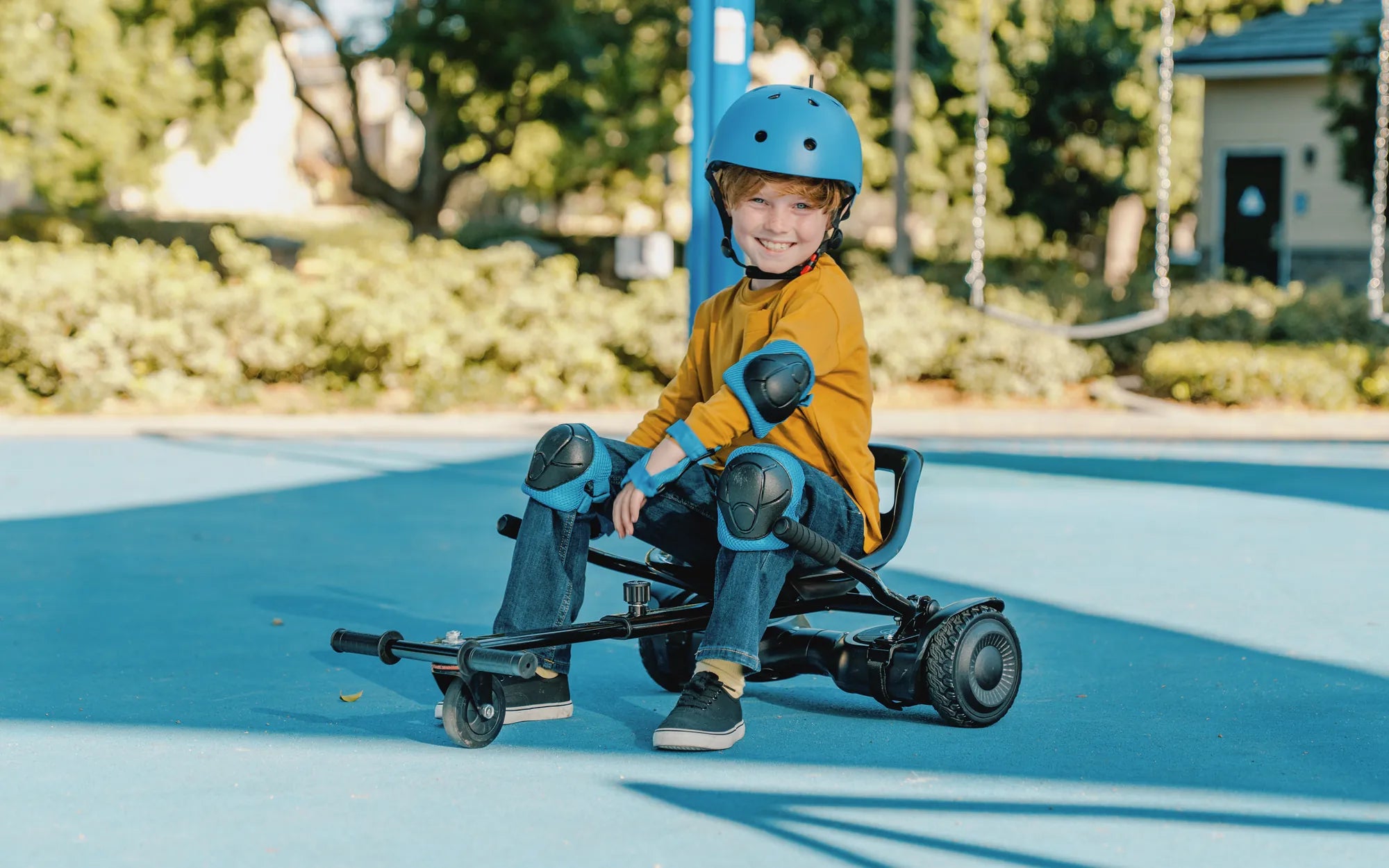
Safety gear is non-negotiable. Every ride requires a properly fitted, CPSC-certified bicycle helmet. Supplement this with knee pads, elbow pads, and sturdy closed-toe shoes (no sandals or flip-flops). Wrist guards are also highly recommended to prevent common fall injuries. Make gearing up an unskippable part of the "pre-ride checklist."
Finding the Perfect Practice Area
Begin in a completely traffic-free, smooth, and paved environment. An empty school parking lot on a weekend, a smooth tennis court, or a wide, flat park path are ideal. The surface should be clean, dry, and free of gravel, sand, or significant cracks. Avoid driveways with slopes or any area near roads, cars, or pedestrian traffic during initial lessons.
Teaching Core Riding Skills and Rules
Start with the power off. Have your child practice kicking and gliding to get a feel for balance and steering. Then, with the scooter in the slowest speed mode, practice starting and stopping in a straight line. Progress to wide, gentle turns. Instill fundamental rules: always look ahead (not down), keep both hands on the handlebars, and signal before stopping. Establish that riding is only permitted with adult supervision and in pre-approved areas.
Key Feature Comparison for Age 7 Scooters
This table compares essential specifications parents should evaluate, highlighting how a focus on core safety and quality features creates a superior riding experience for a child.
| Feature | Budget/Generic Model Typical Spec | Recommended Spec for Age 7 (e.g., Gyroor Standard) | Why It Matters |
|---|---|---|---|
| Max Speed | 10-12 mph (single mode) | ≤10 mph with 3-speed modes (Beginner ~5 mph) | Controlled, progressive learning; prevents overwhelming the rider. |
| Braking System | Single rear fender brake | Dual braking (electronic + rear foot brake) | Redundant safety; smoother, more controlled stops. |
| Battery Certification | Often uncertified or CE-only | UL 2271 / UL 2843 Certified | Gold standard for electrical and fire safety. Non-negotiable. |
| Water Resistance | IPX4 or unspecified | IPX5 Rating | Protects against puddles and light rain, enhancing durability and safety. |
| Warranty | 90 days or less, limited support | 1-Year Comprehensive + Accessible Support | Protects your investment and ensures long-term reliability. |
Frequently Asked Questions (FAQs) for Parents
Q: What is the appropriate speed for a 7-year-old?
A: A maximum speed of 10 mph is widely recommended. Crucially, the scooter should have a beginner speed mode, often limited to 5-6 mph, for initial learning. This allows the child to master control before accessing higher speeds under supervision.
Q: How long does the battery take to charge, and what's the real-world range?
A: Most kids' scooters require 4 to 6 hours for a full charge. Advertised range (e.g., 8-10 miles) is under ideal conditions. Real-world range for a 7-year-old, factoring in stops, starts, and varied terrain, is typically 6-8 miles—more than enough for extended play sessions.
Q: Is the scooter safe to use on wet ground?
A> A scooter with an IPX5 water-resistance rating, like those from Gyroor, is designed to withstand puddles and light rain. However, safety dictates extra caution. Reduce speed significantly, avoid sharp turns or braking, and ensure the rider is in full safety gear. Never use the scooter in heavy rain or on flooded paths.
Q: What maintenance does the scooter require?
A> Regular maintenance includes checking tire pressure (for pneumatic tires), ensuring all bolts and screws are tight, wiping down the scooter after wet rides, and inspecting brakes for wear. Store the scooter in a dry place and avoid leaving the battery fully depleted for extended periods.
Q: How does the warranty process work if something goes wrong?
A> Reputable brands like Gyroor offer a straightforward warranty process. Typically, you contact customer support via email or phone, describe the issue, and may be asked for a video or photos. For qualifying issues under the 1-year warranty, they will often ship replacement parts (like a charger or wheel) directly to you or guide you through next steps for repair or replacement.
Fostering Fun and Responsibility on Two Wheels
Choosing a kids electric scooter for age 7 is an investment in your child's active development and joy. The journey begins with prioritizing verified safety features—UL-certified batteries, controlled speed, robust braking, and solid construction. It continues through careful model selection using a practical checklist and culminates in patient, supervised practice that builds skill and confidence. A well-chosen scooter from a trusted brand like Gyroor becomes more than a toy; it's a catalyst for outdoor adventure, physical activity, and valuable lessons in responsibility. By following this guide, you equip yourself to make an informed decision that ensures countless hours of safe, exhilarating fun. Ready to explore models that meet these rigorous standards? Browse the full Gyroor collection at gyroorboard.com to find the perfect electric scooter for your young rider.
Self Balancing Scooter vs Hoverboard: Which One Should You Choose?
Self Balancing Scooter Legal: What You Need to Know Before Riding