

Choosing the right kids electric scooter is a decision that blends excitement with responsibility. It's not just about picking a fun toy; it's about selecting a vehicle that can teach independence, coordination, and respect for safety rules. This guide will walk you through every critical consideration, from non-negotiable safety engineering and age-appropriate models to essential protective gear and foundational riding etiquette. Our goal is to ensure that the thrill of riding is matched by unwavering confidence in safety and durability, principles championed by brands like Gyroor, a leading electric scooter and e-bike brand trusted by over 100,000 riders across North America and Europe.
Why a Kids Electric Scooter is More Than Just a Toy
The modern kids electric scooter represents a significant evolution from simple kick scooters. It's a gateway to outdoor activity, promoting physical coordination, balance, and spatial awareness in a digitally saturated age. For children, it fosters a sense of independence and accomplishment, while for families, it can become a catalyst for shared outdoor adventures.
However, this increased capability demands increased vigilance. The integration of a motor and battery transforms the device, making understanding its mechanics and safety parameters essential. A high-quality scooter from a reputable manufacturer is engineered with these risks in mind, building in safeguards from the ground up. This guide positions the Kids Electric Scooter: The Ultimate Guide to Safe and Fun Riding as your essential resource for navigating this exciting purchase.
The market offers a wide range, from flimsy, underpowered models to robust, feature-rich vehicles. Discerning the difference is key. A well-made scooter is an investment in years of reliable fun, while a poor-quality one can be a safety hazard and a source of constant repair. We will focus on the features that matter most, ensuring your child's introduction to powered mobility is both joyful and secure.
Key Safety Features Every Parent Must Look For
Safety should be the paramount concern when evaluating any kids electric scooter. These features are not optional extras; they are the fundamental engineering that separates a trustworthy product from a potentially dangerous one. Prioritizing them is the first and most critical step in the selection process.
Speed Modes and Parental Controls
Adjustable speed modes are arguably the most important safety feature for new riders. A beginner mode typically limits the scooter to 5-7 mph, allowing a child to master balance and steering without excessive speed. Intermediate and advanced modes can unlock higher speeds as skill and confidence grow. Look for models with a physical speed selector switch or, even better, app-based parental controls that allow you to set a maximum speed limit remotely and monitor usage.
This function prevents unauthorized tampering and ensures the scooter grows with your child. Some advanced systems include PIN code locks to activate the scooter, adding an extra layer of security. The goal is to put control firmly in the parent's hands, matching the scooter's performance to the rider's proven ability.
Braking System: Disc vs. Electronic & Stability
A responsive, reliable braking system is non-negotiable. There are two primary types: disc brakes and electronic (regenerative) brakes. Disc brakes, often found on higher-performance models, offer strong, consistent stopping power in various conditions and are less affected by wet weather. Electronic brakes use the motor to slow the scooter down and can sometimes recharge the battery slightly, but their stopping power may diminish on steep declines.
Many quality scooters, including several Gyroor models, utilize a dual-brake system combining both types for maximum safety. Stability is equally crucial. A wide, textured deck provides secure footing, while a low center of gravity—achieved through smart battery placement—makes the scooter less likely to tip during turns. Always check the wheelbase; a longer distance between axles generally offers more stability than a very compact design.
Build Quality and Durability
A scooter must withstand the rigors of child use. The frame material is the first indicator of quality. Aerospace-grade aluminum alloy is the industry standard for a reason: it's strong, lightweight, and resistant to rust. Avoid plastic-heavy frames, especially in critical stress areas. Next, examine the tires. Air-filled (pneumatic) tires provide superior shock absorption and traction, offering a smoother ride over cracks and bumps, but require occasional inflation.
Solid rubber or honeycomb tires are puncture-proof and maintenance-free but can result in a harsher ride. The choice often comes down to preferred terrain and desired comfort. Finally, inspect the overall construction: welds should be clean, folding mechanisms (if present) should be robust and secure, and all bolts and fasteners should be high-quality. A durable scooter is a safer scooter, as components are less likely to fail unexpectedly.
Choosing the Right Scooter for Your Child's Age & Skill Level
Matching the scooter's capabilities to your child's physical development and riding experience is essential for safety and enjoyment. An overpowered scooter can intimidate a beginner, while an underpowered one will quickly bore a proficient rider. This age-based guide will help you make the perfect match.
Ages 6-8: Beginner Models (Focus on Stability & Low Speed)
For this age group, the primary goals are building confidence and mastering basic control. Look for scooters with a maximum speed capped at 8-10 mph, preferably with a beginner mode starting as low as 5 mph. Stability features are key: a wider deck, lower deck height, and handlebars that adjust to a proper ergonomic height (typically between 28" and 34") are must-haves.
Motor power in the 100-150W range is usually sufficient for flat surfaces. A modest range of 6-10 miles per charge is adequate for short neighborhood rides. At this stage, simplicity is a virtue. Easy-to-use thumb throttles and simple braking systems help young riders focus on balance and steering without complex controls. Durability is critical, as learning often involves a few tumbles.
Ages 9-12: Intermediate Riders (Balancing Power & Control)
Children in this bracket have likely outgrown basic beginner scooters. They need a machine that offers more performance and range for longer adventures while maintaining core safety. Suitable models often feature motors from 150W to 250W, capable of handling slight inclines. Top speeds can safely range from 10 to 15 mph, always with multiple speed modes.
Range becomes more important, with 10-15 miles being a good target. Features like front or dual suspension start to appear, smoothing out rides on rougher pavement or light pathways. Enhanced braking systems, such as disc or dual brakes, are recommended for the increased speeds. This is also the age where more advanced features like integrated LED displays showing speed and battery level can be educational and engaging.
Ages 13+: Advanced Options for Teens
Teenagers require scooters that can keep up with their mobility needs and growing sense of responsibility. These models bridge the gap between kids' toys and adult commuter vehicles. Motors of 250W and above are common, providing solid hill-climbing ability and acceleration. Top speeds may reach 16-20 mph, making comprehensive safety gear and mature riding habits absolutely mandatory.
Extended range (15+ miles) allows for more substantive trips. Build quality must be exceptional to handle the increased stresses of higher speeds and potentially heavier riders. Features like brighter headlights and taillights, electronic braking systems with anti-lock features, and more sophisticated suspension are typical. Purchasing at this level is a partnership: you provide a capable, safe machine, and your teen must demonstrate the responsibility to operate it safely.
The Gyroor Advantage: Engineering Trust for Your Child's Ride
When evaluating brands, it's vital to look beyond marketing claims to the tangible engineering and support that ensure long-term safety and satisfaction. Gyroor's design philosophy centers on building this trust through certified components, resilient construction, and reliable customer support.
UL-Certified Battery: The Core of Safe Power
The battery is the heart of an electric scooter and its most critical safety component. Gyroor uses UL-certified lithium-ion battery packs in its models. This certification means the battery cells and pack assembly have undergone rigorous independent testing by Underwriters Laboratories for hazards like overheating, short-circuiting, and fire risk. These batteries are engineered for stability, with management systems that regulate charge and discharge cycles.
This translates directly to peace of mind. A UL-certified battery is far less likely to experience the catastrophic failures associated with uncertified, cheaply made alternatives. Furthermore, these batteries are rated for 500+ charge cycles, ensuring the scooter retains a useful range for years, not just months. Safe, reliable power isn't a feature; it's the foundation.
IPX5 Water Resistance: Protection Against Puddles and Splashes
Kids will ride through puddles and damp conditions. An IPX5 water resistance rating, which Gyroor incorporates into its designs, means the scooter's electrical components are protected against low-pressure water jets from any direction. In practical terms, it can handle wet pavement, accidental splashes, and light rain.
This protection prevents water ingress that could damage the motor, battery, or control circuitry, leading to malfunctions or permanent failure. It's a crucial feature for real-world use, ensuring a momentary encounter with a puddle doesn't end the fun or create an electrical hazard. It represents a design that anticipates how children actually use their products.
Warranty and Support: Long-Term Peace of Mind
A strong warranty is a brand's promise to stand behind its product. Gyroor offers a comprehensive 1-year warranty covering manufacturing defects on the motor, battery, controller, and frame. This commitment is backed by accessible, US-based customer support. For parents, this means if an issue arises, there is a clear path to resolution.
This support structure is invaluable. It transforms the scooter from a disposable item into a supported product. The combination of certified components, water-resistant design, and a robust warranty creates a holistic safety net, ensuring your investment is protected and any potential issues can be addressed promptly by experts.
Essential Riding Gear and Pre-Ride Safety Checklist
Safety extends beyond the scooter itself to the rider and the environment. Consistently using proper protective gear and performing a quick pre-ride inspection are habits that prevent the majority of minor injuries and mechanical issues.
Non-Negotiable Safety Gear: Helmet, Pads, and Visibility
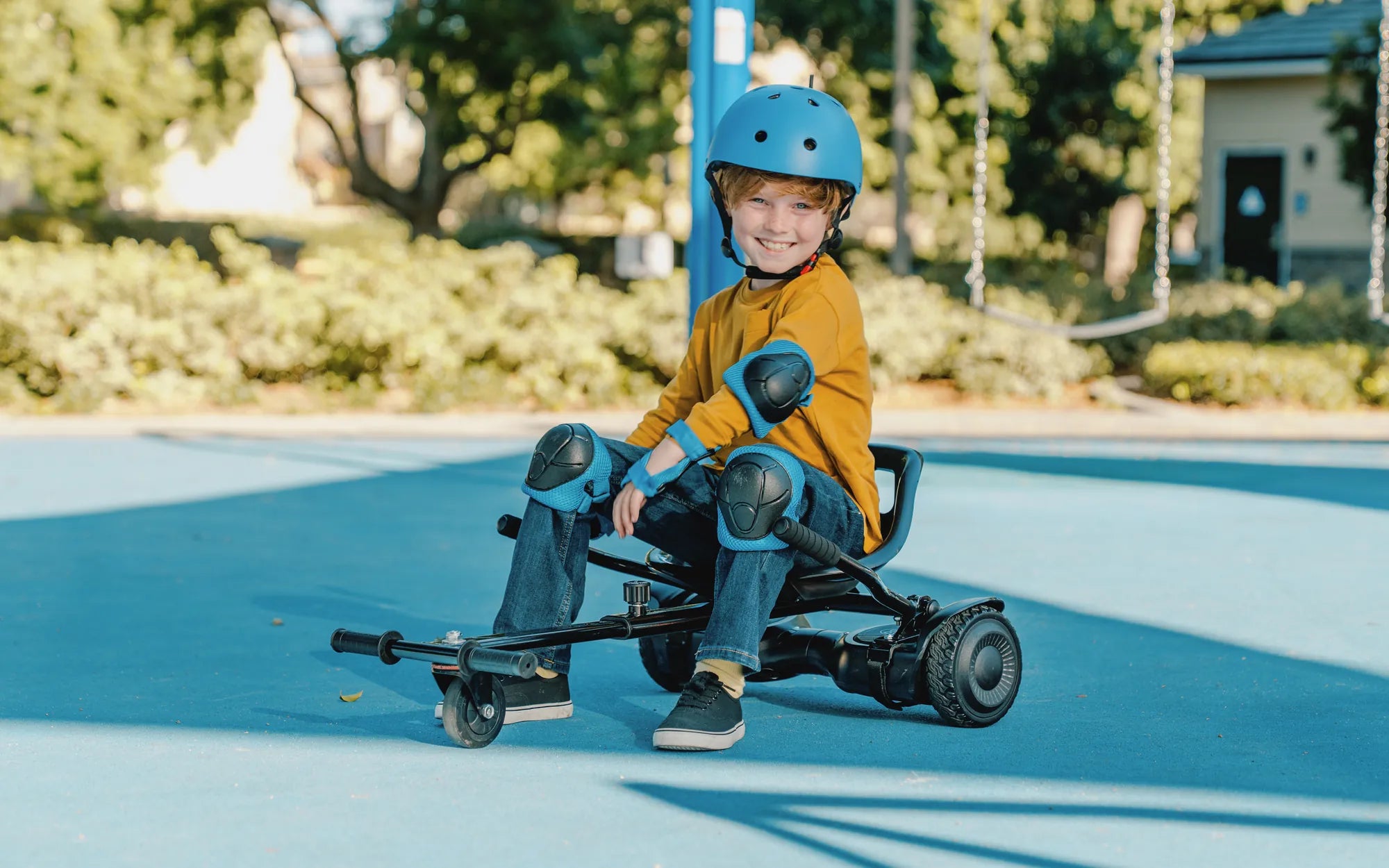
A helmet is absolutely mandatory. It must be properly fitted and certified for cycling or multi-impact safety (look for CPSC, ASTM, or CE EN1078 certifications). Elbow and knee pads are highly recommended, especially for beginners; they can prevent painful scrapes and more serious joint injuries during falls. For riding in low-light conditions (dusk or dawn), high-visibility clothing or reflective vests are essential.
Many riders also add reflective stickers to their scooters and helmets. Consider gloves to protect hands in a fall and improve grip. This gear should be treated as part of the scooter itself—no gear, no ride. Establishing this rule from day one sets a critical safety standard.
The 5-Point Pre-Ride Inspection
This 60-second check should become a ritual before every ride. First, check tire pressure for air-filled tires, or inspect solid tires for excessive wear or deep cuts. Second, test the brakes. Roll the scooter slowly and apply the brake to ensure it engages smoothly and brings the scooter to a complete stop. Third, check that all quick-release levers, folding mechanisms, and bolts (especially on the handlebar stem) are tight and secure.
Fourth, verify the battery has sufficient charge for the intended ride to avoid being stranded. Fifth, ensure all lights (if equipped) are functioning properly. This simple routine catches most potential problems before they become accidents.
Teaching Responsible Riding Habits and Rules of the Road
The safest scooter in the world is only as safe as the rider operating it. Parents play the central role in coaching their children to become conscientious riders. This education is a continuous process that evolves with skill level.
Finding the Perfect Practice Area
Start in a completely controlled environment. An empty parking lot, a smooth driveway, or a quiet cul-de-sac with flat pavement is ideal. The area should be free of traffic, pedestrians, steep slopes, and major obstacles like curbs or potholes. This allows the child to focus entirely on the mechanics of starting, stopping, steering, and balancing without external pressures.
Only after demonstrating full control in this environment should you progress to quiet sidewalks or paved paths, always with close supervision. Master the basics before introducing any complexity.
Core Riding Etiquette and Rules
Establish clear, non-negotiable rules from the outset. First and foremost: pedestrians always have the right of way. Slow down and give a wide berth when passing. Second, unless local laws explicitly permit it and the child is highly skilled, avoid riding on streets with vehicle traffic. Stick to sidewalks, bike paths, and parks where allowed.
Third, maintain situational awareness. This means no wearing headphones or using a phone while riding. Teach your child to constantly scan the path ahead for cracks, debris, dogs, or other hazards. Fourth, use hand signals for turning and stopping if riding in areas with others. Finally, set boundaries for where they are allowed to ride and establish check-in protocols for longer trips.
Comparing Key Features: A Buyer's Guide
This table summarizes the primary considerations across different age and experience categories to help you quickly identify the right specifications for your child's needs.
| Feature | Ages 6-8 (Beginner) | Ages 9-12 (Intermediate) | Ages 13+ (Advanced) |
|---|---|---|---|
| Recommended Max Speed | 8-10 mph | 10-15 mph | 15-20 mph |
| Motor Power | 100-150W | 150-250W | 250W+ |
| Key Safety Focus | Speed limiters, wide deck, low center of gravity | Dual braking systems, suspension, parental controls | Advanced braking (disc), lighting, robust frame |
| Ideal Range | 6-10 miles | 10-15 miles | 15+ miles |
| Essential Features | Adjustable handlebars, simple controls, durable tires | Multiple speed modes, LED display, improved suspension | High water resistance, reliable hill climb, commuter-ready |
Frequently Asked Questions (FAQs) About Kids E-Scooters
Q: What is the right age for a child to start using an electric scooter?
A: Most manufacturers recommend a minimum age of 6-8 years, but age is less important than physical size, coordination, and maturity. The child should be tall enough to comfortably reach the handlebars and have the balance to ride a traditional kick scooter proficiently. They must also understand and follow basic safety instructions.
Q: How long does the battery last, and what's the charging time?
A: Battery life per charge varies by model and usage but typically ranges from 6 to 20 miles. Charging time is usually between 3 to 5 hours for a full charge. To maximize battery lifespan (like Gyroor's 500+ cycle batteries), avoid draining it completely and store the scooter in a cool, dry place.
Q: Can the scooter handle hills or slight inclines?
A> This depends on motor power. Beginner scooters (100-150W) are best for flat terrain. Intermediate models (200W+) can handle gentle slopes. For consistent hill climbing, look for scooters with 250W or more of power and sufficient torque. Always check the manufacturer's stated gradeability percentage.
Q: Are these scooters easy to assemble and maintain?
A> Quality scooters typically require minimal assembly—often just attaching the handlebar to the stem and tightening a few bolts. Maintenance is generally low: keeping tires inflated, checking brake pad wear, ensuring bolts are tight, and keeping the scooter clean and dry. Models with solid tires and electronic brakes require even less routine maintenance.
Q: Where is it safe and legal for my child to ride?
A> Laws vary significantly by city and state. Generally, sidewalks, bike paths, and parks are safer starting points than roads. Always check local ordinances regarding electric scooter use on sidewalks, as some cities prohibit it. Regardless of the law, the safest practice is to avoid roads with car traffic and always yield to pedestrians.
Fostering Fun with Confidence and Safety
The journey to finding the perfect kids electric scooter is defined by balancing exhilaration with precaution. By prioritizing certified safety features like UL-approved batteries and robust braking systems, choosing a model tailored to your child's age and skill, and instilling consistent habits around gear and etiquette, you create a framework for endless fun without compromise. A well-chosen scooter from a trusted brand becomes a reliable companion for adventure, fostering independence and outdoor play. Remember, the ultimate goal is to see the joy on your child's face, knowing it's backed by the quiet confidence of a safe, durable, and responsibly engineered ride. Explore a range designed with these principles at its core by browsing the full Gyroor collection at gyroorboard.com.
Christmas Gift for 6 Year Old Girls: Top Ideas to Delight and Inspire
How Long to Charge a Hoverboard: The Ultimate Guide to Charging Times and Tips