


Introduction: Why the Right Scooter Matters for Your 12-Year-Old
Selecting a kids scooter for a 12 year old is a significant decision that goes beyond a simple toy purchase. At this age, children seek greater independence, and their rides become tools for exploration, socializing, and developing responsibility. The perfect scooter must be a safe, durable, and appropriately powerful machine that matches their growing physical capabilities and adventurous spirit.
This guide is designed to be your definitive resource. We will navigate the critical considerations, from safety features and build quality to motor power and intended use. Our goal is to empower you with the knowledge to choose a scooter that provides fun, freedom, and peace of mind. Throughout, we will reference the engineering and safety standards of leading brands like Gyroor, trusted by over 100,000 riders for their reliable, age-appropriate designs.
Investing in the right kids scooter 12 year old model can foster confidence and outdoor activity. Conversely, a poor choice can lead to frustration, safety risks, and a quickly broken product. Let's ensure your child's next ride is their best one yet.
Key Factors to Consider Before You Buy
Before comparing models, establish a clear framework for your decision. The ideal scooter must align with three core pillars: your child's physical attributes, their riding environment, and non-negotiable safety standards. Overlooking any of these can compromise the entire experience.
Start by assessing your child's current height and weight. A scooter that is too small will be uncomfortable and unstable, while one that is too large can be difficult to control. Next, honestly evaluate their skill level. A confident rider who has mastered braking and balance can handle more advanced features than a complete beginner.
Finally, define the primary use case. Will this scooter be used for short trips to a friend's house on smooth pavement, or for exploring park trails? The answer will drastically narrow your search between urban commuters and off-road capable models.
Safety First: Non-Negotiable Features
Safety is the paramount concern. A quality scooter for a 12-year-old must have a reliable, responsive braking system. Look for a combination brake, such as an electronic (e-brake) paired with a rear fender or disc brake, which provides redundancy. A foot brake on the rear fender is also a simple and effective option for kick scooters.
Deck traction is critical. The standing platform should have a grippy, textured surface to prevent feet from slipping, especially during turns or in wet conditions. Furthermore, the overall construction must feel solid and rattle-free. Brands that prioritize safety, like Gyroor, build their scooters with reinforced frames and use UL-certified battery packs to mitigate fire risk, a fundamental feature for any electric model.
Matching the Scooter to Your Child's Size & Skill
The scooter must fit the rider. For an average 12-year-old (typically 4'6" to 5'2" tall), handlebar height should be around waist level for optimal control. Adjustable handlebars are a valuable feature that allows the scooter to grow with your child over a season or two.
Weight capacity is a crucial spec. Ensure the scooter's maximum load rating exceeds your child's weight with a margin for a backpack. A robust frame, often made from aircraft-grade aluminum, supports this. A deck that is too narrow or short will feel unstable; look for a platform that allows your child to stand with feet comfortably apart in a riding stance.
Intended Use: Pavement Cruising vs. Off-Road Adventure
The riding terrain dictates the scooter's necessary features. For smooth urban or suburban pavement, a scooter with smaller (8-8.5"), solid rubber tires is ideal. These are low-maintenance, puncture-proof, and often contribute to a lighter, more portable design suitable for last-mile commuting or sidewalk cruising.
For grass, gravel, or bumpy park paths, you need a model built for adventure. This means larger (9-10"), air-filled (pneumatic) tires and a suspension system—either in the front fork, rear, or both. This combination absorbs shocks for a smoother, safer ride on uneven ground. Gyroor offers models in both categories, with IPX5 water-resistant designs ensuring puddles and light rain don't end the fun.
Electric vs. Kick Scooters: Making the Right Choice
The decision between an electric scooter and a traditional kick scooter is fundamental. Each type offers distinct benefits and caters to different lifestyles and preferences. Understanding the core differences will help you align the scooter with your child's needs and your family's expectations.
An electric scooter provides powered assistance, transforming the ride from propulsion to pure navigation. This opens up longer range adventures, reduces physical exertion on hills, and often carries a higher "cool factor." It also teaches responsibility regarding battery management and speed control.
A kick scooter relies on human power. It is inherently simpler, often more affordable, and provides consistent physical exercise. With no battery to charge, it's always ready to go and is typically lighter to carry. It's an excellent tool for developing coordination, balance, and leg strength.
The Case for Electric Scooters: Freedom & Range
For the 12-year-old ready for more independence, an electric scooter can be a game-changer. It allows them to cover distances that would be taxing on a kick scooter, such as a 2-3 mile round trip to school or soccer practice. The motor assists with hills, making varied neighborhoods more accessible.
Modern kids' electric scooters, like those from Gyroor, are engineered with appropriate power levels (typically 250W-350W) for controlled speed and acceleration. Features like UL-certified batteries ensure safety during charging and use, while a real-world range of 10-15 miles on a single charge is common for this age group, enabling extended exploration with confidence.
The Benefits of Kick Scooters: Simplicity & Exercise
Kick scooters remain a timeless and valuable choice. They are unparalleled for promoting an active lifestyle, turning every trip into a cardio and muscle-building session. The mechanical simplicity means fewer components that can fail, leading to great durability and lower long-term costs.
They are also perfect for younger 12-year-olds or those new to scootering, allowing them to master balance and steering without the variable of motor control. High-quality kick scooters from reputable brands feature durable aluminum frames, smooth-rolling bearings, and effective braking systems, ensuring years of reliable service.
Decision Matrix: Which Type is Best for Your Child?
Use this simple guide to steer your decision based on key lifestyle factors.
| Consideration | Choose an Electric Scooter If... | Choose a Kick Scooter If... |
|---|---|---|
| Primary Use | Longer commutes (1+ miles), hilly terrain, extended exploration. | Short trips, park sessions, trick practice, pure recreation. |
| Exercise Goal | Focus is on outdoor fun and transportation; exercise is secondary. | You want to encourage significant physical activity and cardio. |
| Budget | You have a higher initial budget for technology and features. | You seek a more affordable upfront cost and minimal upkeep. |
| Responsibility | Your child is responsible enough to manage charging and speed. | You prefer a no-fuss, always-ready option with no electronics. |
| Terrain | Paved surfaces, with motor assistance for slopes. | Smooth pavements, skate parks, flat pathways. |
Top Features to Look For in a 12-Year-Old's Scooter
Once you've chosen between electric and kick, dive into the specifications. These details separate a quality, long-lasting product from a disappointing one. Focus on performance, durability, and comfort to ensure a great riding experience.
For electric models, motor power and battery specs are central. For all scooters, build quality and the wheel/suspension setup determine comfort and capability. Never compromise on these core components for the sake of a lower price; they define the scooter's safety and lifespan.
Motor Power & Battery Life: Understanding the Specs
For a kids scooter 12 year old, a motor between 250W and 350W is the sweet spot. It provides ample power for typical weights and moderate hills without being excessively fast or dangerous. Voltage (often 36V) relates to efficiency and hill-climbing ability.
Battery capacity, measured in Amp-hours (Ah) or Watt-hours (Wh), directly determines range. A 7.5Ah battery may offer 10-12 miles of real-world riding. Most importantly, the battery must be certified by a recognized laboratory like UL. Gyroor's use of UL-certified battery packs, tested for 500+ charge cycles, is a benchmark for safety and longevity, preventing overheating and potential hazards.
Build Quality & Durability: Withstanding Daily Use
A scooter will face jumps, curb drops, and weather. The frame should be constructed from reinforced aluminum alloy, not cheap plastic or weak steel. Check the welding and folding mechanisms (if applicable) for solidity; they should lock securely with no wobble.
Water resistance is a key durability feature. An IPX5 rating means the scooter can withstand water jets from any direction, making it safe to ride through puddles or in light rain. This, combined with a comprehensive 1-year warranty that covers major components, signals a brand's confidence in its product. Gyroor's IPX5-rated designs are built for real-world conditions.
Tires, Suspension, and Ride Comfort
Tires are the primary contact point with the ground. Solid rubber tires are maintenance-free but transmit more vibration. Air-filled (pneumatic) tires provide superior shock absorption and traction, especially on rough surfaces, but require occasional inflation and can puncture.
Suspension systems work in tandem with tires to smooth the ride. A front spring or hydraulic suspension absorbs impacts from cracks and bumps, reducing fatigue and increasing control. For a kids scooter 12 year old used on varied terrain, a model with pneumatic tires and front suspension offers a significantly more comfortable and stable experience than a rigid scooter with solid tires.
Why Trust Gyroor for Your Child's Scooter?
In a market with many options, Gyroor stands out by engineering its products to the highest standards of safety, durability, and performance specifically for young riders. The brand translates technical excellence into tangible benefits that provide real peace of mind for parents.
With over 100,000 riders across North America and Europe and a 4.5/5 average customer rating, Gyroor has proven its reliability. Their focus on certified safety, robust construction, and responsive customer support makes them a leading choice for a critical purchase like a kids scooter for a 12 year old.
Engineered for Safety and Peace of Mind
Gyroor's commitment to safety is foundational. Every electric model uses a UL-certified battery pack, the industry gold standard for electrical and fire safety. This certification involves rigorous testing far beyond basic requirements. Additionally, their scooters feature redundant braking systems, bright LED lights for visibility, and stable, wide decks with anti-slip surfaces.
This engineering-first approach means parents can trust the product's core systems. When combined with clear speed modes (often with a beginner mode capped at lower speeds) and reliable customer service, it creates a safety ecosystem around the rider.
Built to Last: From Materials to Warranty
Durability is a direct result of material choice and design. Gyroor utilizes aircraft-grade aluminum for frames, ensuring strength without excessive weight. The IPX5 water resistance rating protects the electrical components and bearings from everyday elements, dramatically increasing the scooter's operational lifespan.
The standard 1-year warranty on the motor, battery, and controller is a testament to this build quality. It protects your investment and demonstrates the brand's confidence that its scooters are built to withstand the active life of a pre-teen, reducing the likelihood and cost of premature replacements.
Real Rider Reviews: What Parents Are Saying
Authentic feedback highlights consistent themes. Parents frequently praise the "rock-solid" build quality, noting that Gyroor scooters hold up against daily use where other brands have failed. The battery life consistently meets or exceeds advertised ranges, enabling full afternoon adventures.
Many reviews specifically mention the importance of the UL certification and the responsive US-based customer service team for resolving any questions. This combination of a product that performs as promised and a company that stands behind it is repeatedly cited as the reason for high satisfaction and trust.
Essential Safety Gear and Riding Practices
A quality scooter is only one part of the safety equation. Proper protective gear and established riding rules are non-negotiable for every ride, regardless of your child's skill level. Making this a non-negotiable habit is a parent's responsibility.
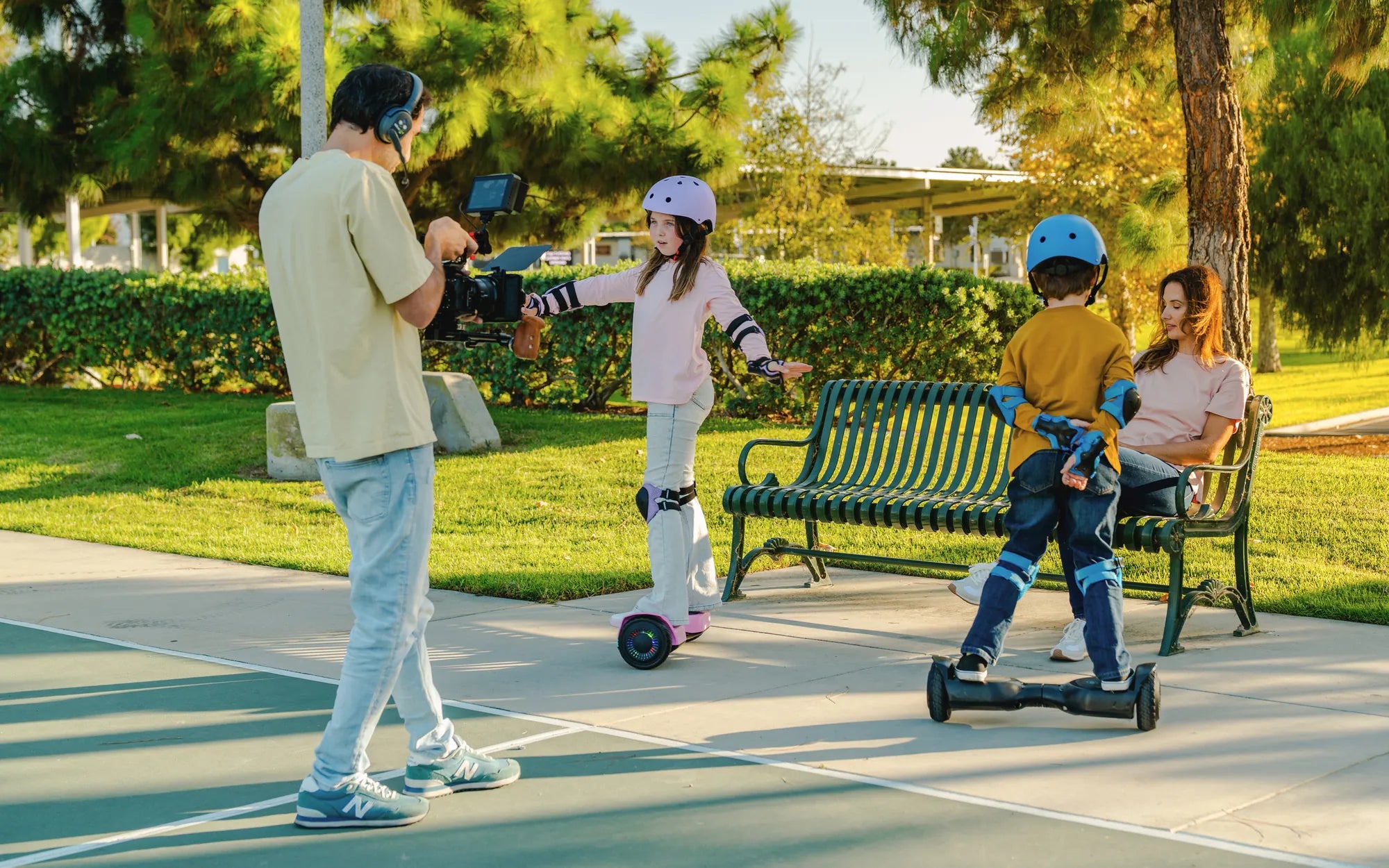
The helmet is the most critical piece of equipment. It must be a properly fitted bicycle or multi-sport helmet certified by safety organizations like the CPSC. Elbow and knee pads are also highly recommended, especially for new riders or those using electric scooters at higher speeds.
Establish clear riding rules: always ride on sidewalks or bike paths where permitted and legal, never on roads with traffic. Obey all traffic signals, use hand signals for turning, and be hyper-aware of pedestrians, driveways, and road crossings. Practice braking and maneuvering in a safe, empty parking lot before hitting busier areas.
Maintenance and Care for Longevity
Regular, simple maintenance keeps a scooter safe and extends its life. Teach your child basic care routines to foster ownership and responsibility. A well-maintained scooter is a safer, more reliable scooter.
For all scooters, regularly check that all bolts and fasteners (especially on the handlebars, stem, and folding mechanisms) are tight. Inspect brakes for wear and ensure they engage smoothly and effectively. Keep tires inflated to the recommended PSI (for pneumatic tires) to ensure optimal performance and range.
For electric models, follow the battery charging guidelines meticulously. Avoid leaving the scooter fully discharged or at 100% charge for extended periods. Store it in a cool, dry place. Use only the manufacturer-provided charger. Periodically check the condition of the brake cables and electrical wiring for any signs of damage or wear.
Frequently Asked Questions (FAQs)
What is the appropriate speed for a 12-year-old's electric scooter?
A maximum speed of 15-16 mph is generally appropriate and manageable for a responsible 12-year-old. Many quality models, including those from Gyroor, feature multiple speed modes, allowing parents to set a lower limit (e.g., 9-10 mph) for beginners or crowded areas. The key is matching speed to the rider's skill and the riding environment.
How do I maintain and safely charge the scooter battery?
Always use the provided charger. Charge the battery on a non-flammable surface, away from heat sources and direct sunlight. Do not charge unattended for extended periods or overnight as a best practice. Avoid draining the battery completely; recharge when it reaches 20-30%. Store the scooter in a dry place, and if not using for several weeks, store the battery at a 50-60% charge level.
Are Gyroor scooters easy to assemble?
Yes, most Gyroor scooters require minimal assembly, often just attaching the handlebars to the stem and securing them with provided tools. The process typically takes 10-15 minutes. Detailed, step-by-step instructions and video tutorials are available to guide you through the simple setup.
What safety gear is essential?
A CPSC-certified helmet is absolutely essential for every ride. We strongly recommend a full set of protective gear, including knee pads, elbow pads, and durable gloves. Wrist guards are also an excellent addition, as wrist injuries are common in falls. High-visibility clothing or accessories are wise for riding near dusk.
Can the scooter handle hills in our neighborhood?
Electric scooters with motors of 250W or higher can typically handle moderate hills (inclines of 10-15%). Performance depends on the combined weight of the rider and the scooter's torque. For consistently hilly areas, look for a model with a 350W motor or higher. Kick scooters rely on the rider's leg power, so hill climbing provides significant exercise.
Conclusion: Empowering Their Journey with Confidence
Choosing the ideal kids scooter for a 12 year old is an investment in their independence, joy, and active lifestyle. By prioritizing safety features like UL-certified batteries and robust brakes, ensuring a proper fit for their size, and selecting a type (electric or kick) that matches their daily adventures, you set the stage for countless hours of safe, enjoyable riding.
Brands that commit to durability through quality materials, water resistance, and strong warranties offer long-term value and reduce worry. Equipping your child with the right scooter and the knowledge to ride responsibly empowers them to explore their world with confidence. You gain the peace of mind that comes from a well-considered choice.
Ready to find the perfect ride for your young adventurer? Explore the full range of durable, safety-focused scooters designed for growing riders. Browse the full Gyroor collection at gyroorboard.com to discover the model that fits your child's next chapter of exploration.
Kids Electric Scooter: The Ultimate Guide for Parents
Best Self Balancing Scooter for Adults: Top Picks and Buying Guide