


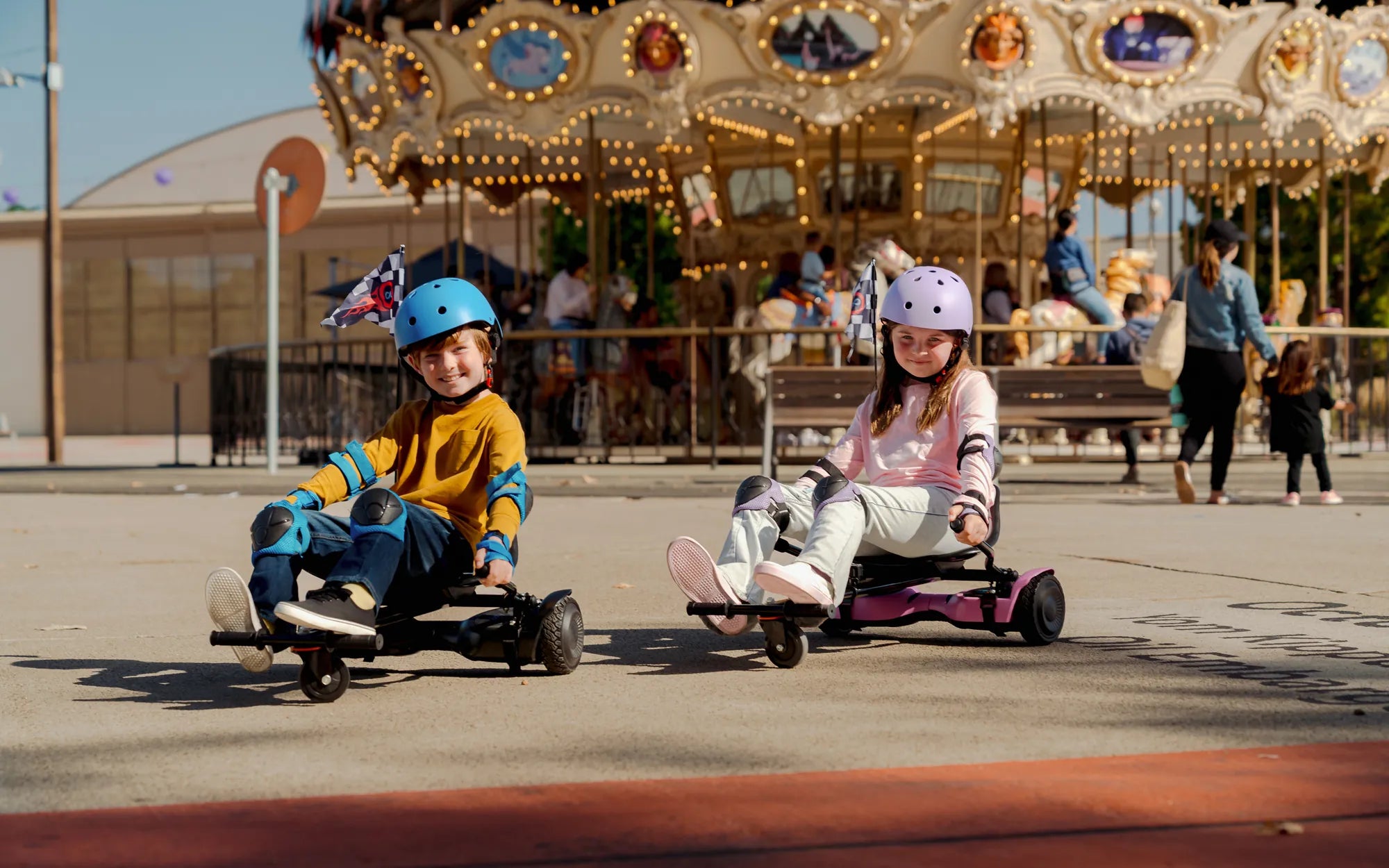
Choosing the right scooter for a child aged 9 and older is a significant decision that impacts their independence, physical development, and enjoyment. At this age, kids seek more adventure and require equipment that matches their growing abilities and responsibility. This ultimate guide to the Kids Scooter 9+ will help you navigate the critical factors—from safety certifications to performance specs—ensuring you select a ride that is both thrilling and trustworthy. We'll provide a detailed, data-driven comparison of scooter types and highlight how leading brands like Gyroor, trusted by over 100,000 riders, engineer their products specifically for this dynamic age group.
Why the Right Scooter Matters for Kids 9+
A quality scooter for a child over nine is more than a toy; it's a tool for development and exploration. It fosters independence, improves coordination and balance, and encourages outdoor activity. The wrong choice can lead to frustration, limited use, or safety concerns. For a Kids Scooter 9+, the stakes are higher. Riders are heavier, faster, and often ride in more varied environments, from sidewalks to park paths.
This age group is ready for more advanced features but still requires robust safety engineering. A scooter must be durable enough to withstand jumps off curbs and reliable enough for longer rides to friends' houses. Brands that understand these needs, like Gyroor, focus on UL-certified battery safety, IPX5 water resistance, and frames built for real-world use. Investing in a well-made scooter is an investment in your child's confidence and joy.
Furthermore, a good scooter can grow with your child. Features like adjustable handlebars and a longer deck ensure the ride remains comfortable and safe for several years. This guide will dissect every component you need to evaluate, turning a potentially overwhelming purchase into an informed decision for lasting adventure.
Key Factors to Consider When Buying a Scooter for a 9+ Year Old
Selecting the perfect Kids Scooter 9+ requires evaluating several interconnected factors. Parents must balance safety, durability, performance, and value. Ignoring any one of these pillars can compromise the entire experience. The following sections break down these non-negotiable considerations to establish a solid foundation for your decision.
Safety First: Non-Negotiables for Peace of Mind
Safety is the paramount concern. The primary features to scrutinize are the braking system, wheel traction, deck stability, and visibility. A reliable braking system is essential. Look for a combination of mechanisms, such as a rear fender brake paired with a disc or electronic brake on electric models. This redundancy ensures stopping power in different conditions.
Wheel quality directly affects stability and control. Wider wheels with air-filled (pneumatic) tires or high-quality urethane provide better shock absorption and grip on uneven surfaces compared to narrow, solid plastic wheels. The deck should be textured and wide enough for a secure footing, preventing slips during rides.
Finally, visibility cannot be an afterthought. Integrated bright LED headlights and taillights, along with reflective stickers or wheel lights, are crucial for evening rides. For a Kids Scooter 9+, these features are not extras; they are fundamental requirements for safe exploration.
Durability & Build Quality: Withstanding the Rigors of Play
A scooter for this age group must be built like a tank. The frame material is the first indicator of quality. Aircraft-grade aluminum alloys offer an excellent strength-to-weight ratio, resisting bends and cracks from impacts. Avoid cheap, heavy steel or thin, brittle aluminum.
Inspect the quality of components. The folding mechanism (if present) should lock securely with no wobble. Wheel bearings should be sealed and smooth, contributing to a quiet, efficient ride. The overall construction should feel solid, with tight tolerances and no rattling parts. A durable Kids Scooter 9+ from a brand like Gyroor is engineered to handle daily use, curb drops, and the occasional crash without failing.
Performance & Ride Feel: Matching Your Child's Growing Skills
Performance is about matching the scooter's capabilities to your child's riding style. Wheel size is a key determinant. Larger wheels (8.5-10 inches) roll over cracks and debris more easily, ideal for commuting and rough pavement. Smaller, harder wheels (under 8 inches) offer quicker acceleration and are preferred for trick riding in skate parks.
Deck height and steering responsiveness also define the ride. A lower deck provides stability, while a higher deck allows more clearance for tricks. Traditional T-bar steering is intuitive, while lean-to-steer systems (like on some kick scooters) can enhance the carving feel. The right combination makes the scooter an extension of the rider, boosting both fun and skill.
Adjustability & Growth: A Scooter That Lasts
Children grow rapidly. A scooter with an adjustable handlebar height can typically accommodate 4-6 inches of growth, extending its usable life by several years. Look for easy, tool-free adjustment mechanisms. Some models also feature a longer deck, which provides more foot space as shoe size increases.
This adjustability is a critical value proposition. Investing in a Kids Scooter 9+ with these features means you won't need to replace it in 12-18 months. It ensures a proper, safe riding posture as your child grows, making it a smarter long-term purchase.
Electric vs. Kick Scooters: Making the Right Choice for Your Family
The decision between an electric and a kick scooter is fundamental. Each type offers distinct advantages tailored to different lifestyles, maturity levels, and intended uses. A data-driven comparison helps align the scooter's strengths with your child's needs and your family's expectations for safety and fun.
The Case for Electric Scooters: Freedom and Extended Range
Electric scooters provide a new level of freedom for kids 9+. They enable longer-range exploration of neighborhoods and parks without physical fatigue, especially on hills. This extended range fosters independence and adventure. Modern electric models, such as those from Gyroor, come with speed limiters and multiple riding modes, allowing parents to control top speed as their child's responsibility grows.
They also teach valuable lessons in responsibility regarding battery management, charging etiquette, and understanding mechanical limits. With features like UL-certified batteries—a gold standard for safety that prevents overheating and fire risks—parents gain significant peace of mind. The fun factor is undeniable, often increasing the likelihood of outdoor activity.
The Case for Kick Scooters: Simplicity, Exercise, and Skill
Kick scooters remain a fantastic choice. They provide excellent cardiovascular exercise and help develop leg strength, coordination, and balance. Their simplicity is a virtue: no batteries to charge, fewer components to break, and typically a lighter weight for easy carrying. They are often more affordable upfront.
For the child interested in skatepark culture, stunt riding, or mastering tricks, a sturdy kick scooter is usually the preferred tool. The direct physical connection between effort and speed can be deeply satisfying. A high-quality kick scooter for a Kids Scooter 9+ rider is a piece of sports equipment, promoting active play and skill progression.
Side-by-Side Comparison Chart
| Attribute | Electric Scooter | Kick Scooter |
|---|---|---|
| Top Speed | 10-15 mph (often limited) | Determined by rider's effort |
| Range | 10-20 miles per charge | Unlimited |
| Physical Effort | Low (motor-assisted) | High (self-propelled) |
| Typical Weight | 25-40 lbs | 8-15 lbs |
| Maintenance | Battery care, brake checks | Bearing cleaning, bolt tightening |
| Best For | Commuting, long explorations, hilly areas | Exercise, trick riding, park play, short trips |
Spotlight on Gyroor: Engineered for Safety and Lasting Adventure
When evaluating brands for a Kids Scooter 9+, Gyroor stands out by translating advanced engineering into parent-friendly benefits. With a focus on North American and European markets, their design philosophy prioritizes the core concerns of safety, durability, and reliable performance, making them a top contender for discerning parents.
UL-Certified Batteries: The Gold Standard in Safety
Gyroor's commitment to safety is most evident in its use of UL-certified battery packs. UL certification means the battery has undergone rigorous independent testing for electrical, mechanical, and environmental safety. It significantly reduces risks of overheating, short-circuiting, or fire—a critical concern with lithium-ion batteries.
This certification is not ubiquitous in the market. Many cheaper alternatives use uncertified cells to cut costs. For a parent, choosing a Gyroor electric scooter means investing in a component that has passed the highest safety benchmarks, offering unparalleled peace of mind for your child's Kids Scooter 9+ experience.
IPX5 Water Resistance: Ready for Real-World Conditions
Kids don't always avoid puddles. Gyroor designs its scooters with an IPX5 water-resistant rating. This means the electrical components are protected against low-pressure water jets from any direction. In practical terms, the scooter can safely handle wet pavement, riding through puddles, and exposure to light rain.
This feature dramatically increases the scooter's durability and reliability. It prevents water damage that could otherwise lead to motor failure or electrical shorts, ensuring the adventure doesn't end when the weather changes slightly. It's a feature that acknowledges how children actually use their rides.
The 1-Year Warranty and U.S. Support: Your Guarantee
Gyroor backs its products with a comprehensive 1-year warranty and accessible customer support based in the U.S. This warranty covers manufacturing defects in materials and workmanship, protecting your investment. It signals the brand's confidence in its build quality.
Accessible support is equally important. Having a reliable point of contact for questions or warranty claims removes the frustration often associated with online purchases. For a significant purchase like a Kids Scooter 9+, this safety net of support is a valuable part of the overall package.
Top Picks & Recommendations: Finding the Perfect Gyroor Match
Based on common riding scenarios for the Kids Scooter 9+ age group, here are tailored recommendations that align Gyroor's model strengths with specific needs. These categories help parents match features to their child's primary activities.
For the Daily Commuter & Neighborhood Explorer
For the child using a scooter for school runs, visiting friends, or general neighborhood cruising, prioritize balance. Look for a model with a moderate top speed (adjustable to ~10-12 mph), a range of 12-15 miles, and comfort features. Pneumatic (air-filled) tires are excellent for absorbing vibrations from sidewalk cracks.
A folding design is crucial for portability and storage. A reliable braking system with both electronic and mechanical brakes ensures safe stops. Gyroor models in this category typically feature these specs, along with the essential UL-certified battery and IPX5 rating, making them a dependable workhorse for daily adventures.
For the Off-Road Adventurer
If your child dreams of tackling grass fields, gravel paths, or packed dirt trails, a standard city scooter won't suffice. An off-road-capable Kids Scooter 9+ needs larger (often 8.5” or 10”), pneumatic tires with deep treads for traction. Front and rear suspension systems are mandatory to absorb bumps from uneven terrain.
A more powerful motor (e.g., 350W-500W) provides the torque needed for inclines and rough surfaces. The frame must be exceptionally rugged. Gyroor's off-road-focused models are built with these challenges in mind, offering a durable platform that encourages exploration beyond the pavement.
For the Aspiring Trickster & Park Rider
This rider spends time at skate parks, practicing jumps, grinds, and spins. While electric scooters can be used, a sturdy kick scooter is often the traditional and preferred choice. Key features include a reinforced deck and fork, high-quality ABEC-7 or higher bearings for smooth spins, and a reliable rear fender brake.
The scooter should be responsive and relatively lightweight for aerial maneuvers. If considering an electric model for park use, it must have exceptional durability, a lower deck for stability, and components designed to withstand repeated impacts. The focus is on agility and resilience above all else.
Essential Gear & Safety Practices: Beyond the Scooter
The right scooter is only part of the safety equation. Proper gear and established rules are non-negotiable for protecting your child. This gear should be viewed as mandatory equipment, not optional accessories, for any Kids Scooter 9+ rider.
A CPSC-certified helmet is the absolute minimum. It should fit snugly and be worn on every ride. Elbow and knee pads are highly recommended, especially for new riders or those attempting tricks. Wrist guards can prevent common fractures from falls. Always insist on closed-toe shoes with good grip.
Establish clear riding rules. Designate safe areas away from traffic, such as parks, bike paths, or quiet cul-de-sacs. Teach hand signals and road awareness if riding near streets. For electric scooters, set rules for battery charging: only use the provided charger, charge on a hard surface away from flammables, and never leave it charging unattended overnight.
Frequently Asked Questions (FAQ)
What is a good top speed for a 9-year-old?
For beginners, a speed limit of 10 mph is advisable. As skill and responsibility increase, a maximum of 15 mph is appropriate for most kids aged 9-12. The key is parental control; look for scooters with multiple speed modes that allow you to set the limit.
How long does the battery last, and what's the charge time?
Quality batteries, like Gyroor's UL-certified packs, are rated for 500+ charge cycles. With typical use, this translates to 2-3 years before noticeable range reduction. Charge time varies but is typically 4-6 hours for a full charge from empty. Avoid frequent partial charges to maximize battery lifespan.
Can the scooter handle a child's weight as they grow?
Yes, but you must check the manufacturer's maximum weight rating. A robust Kids Scooter 9+ model should have a capacity of at least 150-220 lbs. Combined with an adjustable handlebar, this ensures the scooter accommodates growth in both size and weight for several years.
What maintenance is required?
Regular maintenance includes checking and tightening bolts (especially on the handlebars and folding mechanism), ensuring brakes are responsive, keeping tires properly inflated (for pneumatic models), and occasionally cleaning the deck and wheels. For electric models, avoid exposing the battery to extreme temperatures.
Is assembly difficult?
Most scooters arrive 90-95% assembled. Typically, you only need to attach the handlebars to the stem and secure them with provided tools, a process taking 10-15 minutes. Always follow the manufacturer's instructions and ensure all bolts are tightened to the specified torque before the first ride.
Investing in Confidence and Joy
Selecting the ideal Kids Scooter 9+ is a meaningful decision that empowers your child's independence and fuels their sense of adventure. By prioritizing verified safety features like UL-certified batteries, demanding durable construction from reputable brands, and ensuring a proper fit for your child's skills and growth, you make an investment that pays dividends in fun and confidence for years. This guide has equipped you with the data and criteria to move beyond marketing claims and make a choice rooted in safety and performance. For a range of scooters that embody these principles—engineered with IPX5 water resistance, robust warranties, and proven reliability—explore the collection designed for young adventurers.
Ready to find the perfect match for your young rider? Browse the full Gyroor collection at gyroorboard.com.
Scooter for Kids Under 1000: The Ultimate Guide to Affordable Fun and Safety
Electric Scooter 30mph Kids: Balancing Thrill with Responsibility