



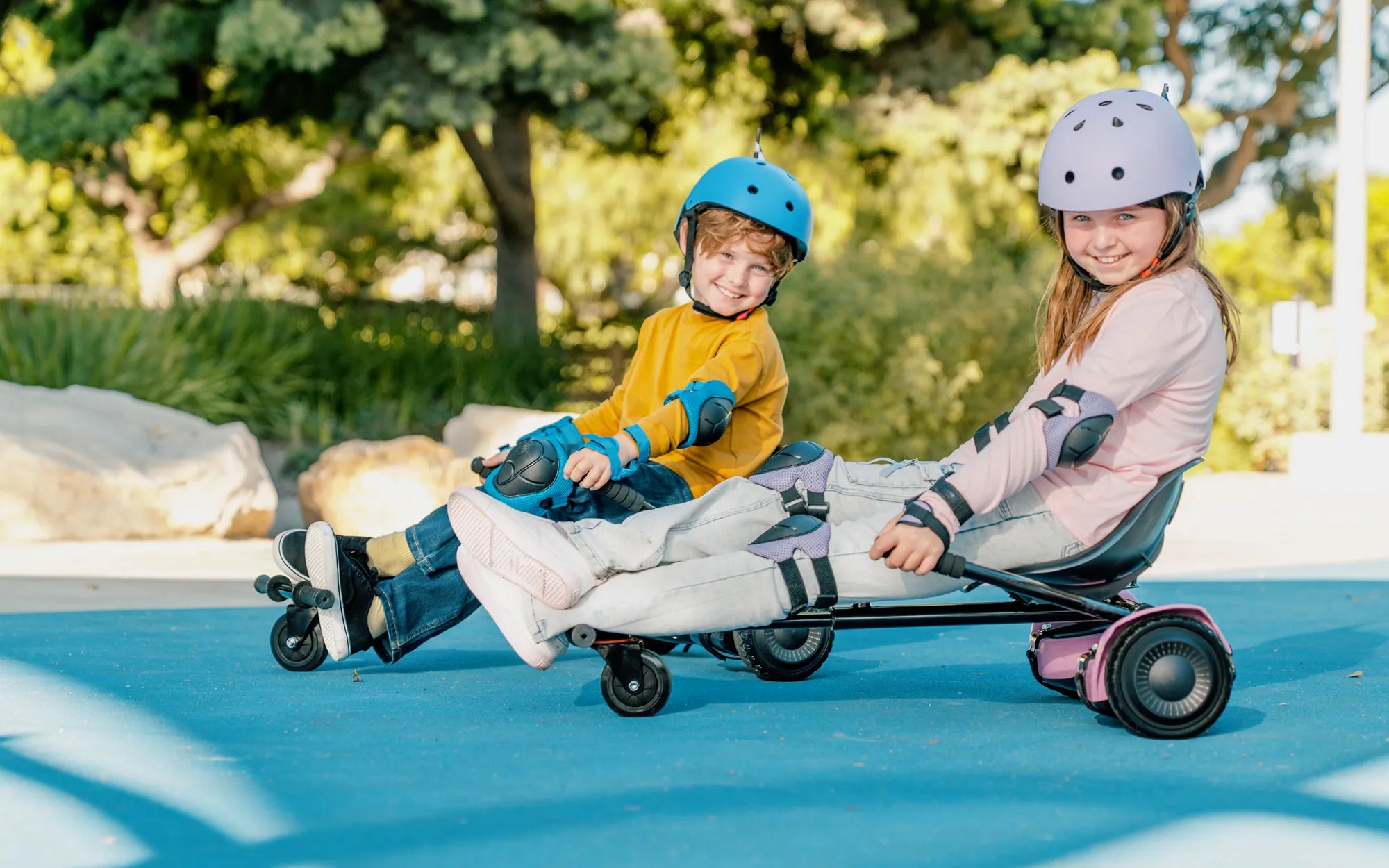
Finding the perfect kids scooter in Auckland unlocks a world of outdoor adventure, fitness, and family fun across the city's stunning parks and pathways. This guide cuts through the confusion, providing data-driven advice to ensure your child's riding experience is both incredibly fun and fundamentally safe. You'll learn how to match a scooter to Auckland's specific terrain, understand non-negotiable safety protocols, decode technical features, and discover why investing in reliability from brands like Gyroor—a leader trusted by over 100,000 riders—pays off in the long run. Let's dive into the ultimate resource for Kids Scooter Auckland adventures.
Why Scooting is Auckland's Favourite Family Activity
Auckland's urban design, with its extensive network of coastal walkways, sprawling regional parks, and dedicated cycle paths, makes it a scooter paradise. Activities like scooting promote physical coordination, balance, and confidence in children, all while encouraging family time outdoors. The city's relatively mild climate allows for year-round use, turning a simple scooter into a key to exploring destinations from the Viaduct Harbour to the Tamaki Drive waterfront.
The social and developmental benefits are significant. Scooting helps children develop gross motor skills, spatial awareness, and a sense of independence. For families, it's an affordable and active way to commute to local parks, schools, or cafes, reducing car trips and fostering a healthy lifestyle. The joy on a child's face when they master a new path is a universal Auckland experience.
Choosing the right tool for this activity is crucial. A poorly made scooter can lead to frustration and safety hazards. This is where quality engineering matters. Brands that prioritize durability, such as Gyroor, with their robust construction and 1-year comprehensive warranty, ensure the focus remains on fun, not on breakdowns or repairs, making every outing a positive memory.
Understanding Auckland's Riding Terrain: From Parks to Pavements
Auckland's terrain is wonderfully diverse but presents specific challenges for a kids scooter. Riders may encounter smooth concrete on the Northwestern Cycleway, slightly rougher asphalt on suburban streets, compacted gravel in parks like Cornwall Park, and the occasional unavoidable puddle or gentle slope. A scooter must be versatile enough to handle all these surfaces safely and comfortably.
Coastal paths, such as the iconic Tamaki Drive shared path, offer mostly smooth sailing but can be busy with pedestrians, cyclists, and other scooter riders. This demands excellent maneuverability and reliable braking. Suburban parks often have mixed surfaces, requiring larger, air-filled tires or robust solid rubber tires to absorb vibrations and maintain stability, preventing jolts that could unseat a young rider.
Key Considerations for Auckland's Unique Landscape
Three primary factors dictate scooter performance in Auckland: surface type, gradient, and weather. Pavement quality can vary dramatically from one suburb to another. Larger wheel diameters (200mm+) roll over cracks and small obstacles more easily than smaller wheels. Gentle hills are common; therefore, an effective braking system—preferably a rear foot brake combined with a front electronic or disc brake on electric models—is essential for controlled descents.
Auckland's weather, while temperate, includes frequent rain showers. A scooter with any level of water resistance is a significant advantage. Models with an IPX5 water-resistant rating, like those in the Gyroor lineup, are protected against water jets from any direction, making them resilient against rainy-day puddles and ensuring the electrical components in e-scooters remain safe and functional.
The Essential Safety Checklist for Auckland Parents
Safety is the non-negotiable foundation of fun. Before any ride, a mandatory gear check must become routine. The single most important item is a properly fitted helmet that meets New Zealand safety standards (look for the AS/NZS 2063 mark). It should sit level on the head, snug but not tight, with the strap secured so no more than two fingers can fit between the strap and the chin.
Visibility is critical, especially during Auckland's shorter winter days or in shaded park areas. High-visibility vests, reflective strips on clothing or the scooter itself, and even LED wheel lights dramatically increase a child's visibility to cyclists, cars, and other path users. Teaching clear path etiquette—keeping left, passing on the right with an audible signal like "passing on your right," and stopping safely—is as important as the gear itself.
Gear Up: Beyond the Helmet
While a helmet protects the head, other gear safeguards the body during inevitable learning tumbles. Knee and elbow pads made of hard plastic with foam padding can prevent painful scrapes and more serious impact injuries. Sturdy, closed-toe shoes with good grip are essential for effective foot braking and stable footing when pushing off.
For parents of children using electric scooters, additional rules apply. Set a strict speed limit using the scooter's settings if available, and designate initial practice areas as strictly traffic-free zones. Understanding and respecting local bylaws regarding where e-scooters can be ridden (typically on footpaths and cycle lanes, but not on roads) is a parent's responsibility to instill in their child from the start.
Choosing the Right Kids Scooter: A Feature-by-Feature Guide
Selecting a scooter involves balancing several technical features against your child's needs and Auckland's environment. The primary decision point is between a traditional kick scooter and an electric scooter. Kick scooters are excellent for younger children (3-8 years) developing coordination, while electric scooters suit older kids (8+, with good judgment) for longer family excursions.
Key features to evaluate include wheel type and size. Air-filled (pneumatic) tires offer the best shock absorption for rough paths but require maintenance. Solid rubber tires are puncture-proof but transmit more vibration. Polyurethane (PU) wheels are common on kick scooters; larger diameters (e.g., 200mm vs. 120mm) provide a smoother ride over cracks. The deck should be low to the ground for stability and wide enough for a secure footing.
The braking system is paramount. Most kick scooters use a rear fender brake (press down on the fender). Check for strong, progressive stopping power. Electric scooters should have a dual-brake system, such as an electronic brake combined with a mechanical disc or foot brake, for redundant safety. Handlebar height should be easily adjustable to match the child's growth, ensuring an ergonomic riding posture that doesn't strain the back.
Age, Height, and Skill Level: Finding the Perfect Fit
A scooter that is too large or too small compromises control and safety. Use the following guidelines as a starting point. Always prioritize the manufacturer's recommended age and weight limits, as these are based on the scooter's structural engineering.
| Age Range | Recommended Scooter Type | Key Features | Handlebar Height Guide |
|---|---|---|---|
| 3-5 years | 3-wheel (2 front, 1 rear) Kick Scooter | Extra stability, lightweight, lean-to-steer mechanism. | Between hip and waist height when standing on deck. |
| 5-8 years | 2-wheel Kick Scooter | Durable construction, adjustable handlebars, rear fender brake. | Between waist and lower chest height. |
| 8-12 years | Electric Scooter or Advanced Kick Scooter | Higher weight capacity, robust brakes, suspension for e-scooters. | At or slightly below chest height for optimal control. |
For electric scooters, motor power (measured in watts) and battery range are critical. A 250W motor is typically sufficient for Auckland's gentle hills for a child. Battery range should be considered relative to your planned trips; a 15-20km range allows for extensive exploration without range anxiety. Gyroor models, for instance, are designed with these practical use cases in mind, offering balanced power and range with UL-certified battery packs for safety.
Durability and Warranty: Why They Matter for Active Kiwi Kids
The true cost of a scooter isn't just the purchase price; it's the cost per ride over its lifetime. A scooter made from inferior materials like thin aluminum or plastic components will bend, crack, or fail under the active use of a child. Look for scooters constructed from aerospace-grade aluminum alloys, reinforced steel, and high-abrasion-resistant components.
A strong warranty is a direct reflection of the manufacturer's confidence in their product. It protects your investment. Gyroor's 1-year comprehensive warranty with US-based support covers manufacturing defects, providing peace of mind that is invaluable. This contrasts with generic brands that may offer only 30-90 days of coverage or require complicated international returns, turning a simple repair into a major headache.
Spotlight on Safety and Reliability: The Gyroor Advantage
When evaluating scooters, certain engineering benchmarks separate trustworthy brands from the rest. Gyroor, as a leader in personal electric transport, builds these benchmarks into their core design philosophy, addressing the specific concerns of safety-conscious Auckland parents.
Every component, from the frame welding to the electronic control systems, is subjected to rigorous stress testing. This results in a product that can withstand the jumps, curb drops, and daily wear that an energetic child will subject it to. The focus is on creating a scooter that is not just a toy, but a reliable piece of personal mobility equipment.
Peace of Mind with UL-Certified Power
The battery is the heart of an electric scooter and its most critical safety component. Gyroor's use of UL-certified lithium-ion battery packs is a major differentiator. UL certification means the battery cells, BMS (Battery Management System), and housing have been independently tested by Underwriters Laboratories to stringent standards for electrical, mechanical, and fire safety.
This certification guards against overheating, short-circuiting, and thermal runaway—risks associated with uncertified, cheaply made batteries. For a parent, this translates to confidence that the power source charging in their garage or powering their child's ride is as safe as modern technology can make it. These batteries are also rated for 500+ charge cycles, ensuring long-term performance and value.
Ready for a Sudden Downpour: The IPX5 Advantage
Auckland's weather can change in an instant. A scooter that must be rushed inside at the first sign of drizzle limits spontaneity and fun. Gyroor's commitment to an IPX5 water-resistant rating on all models means the entire scooter is engineered to handle water spray from any direction.
This rating specifically protects the electrical wiring, controller, display, and battery compartment from rain and puddle splashes. It means a ride home from the park in light rain won't end with a dead scooter or a dangerous electrical fault. This durability feature directly extends the scooter's lifespan and ensures it's ready to ride whenever the adventure calls, truly embracing the Auckland outdoor lifestyle.
Maintenance Tips to Keep the Scooter Rolling Smoothly
Regular, simple maintenance ensures safety, extends the scooter's life, and provides a smoother ride. A quick pre-ride check should become a habit: inspect the brakes for wear and responsiveness, ensure all bolts (especially on the handlebar stem and folding mechanisms) are tight, and check tires for adequate pressure or signs of damage.
For kick scooters, regularly check the rear fender brake pad for wear and replace it if it becomes thin or slick. For electric scooters, follow the manufacturer's battery care guidelines: avoid leaving the scooter at full or zero charge for extended periods, use only the provided charger, and store it in a cool, dry place. Wiping down the scooter after wet rides prevents corrosion and keeps it looking new.
Every few months, conduct a more thorough check. Examine the wheels for uneven wear and spin them to check for warping or bearing noise. Lubricate any moving parts like folding hinges or brake levers with a silicone-based lubricant. Keeping the deck clean of mud and grit maintains foot grip. These small actions prevent major issues and reinforce a sense of ownership and responsibility in young riders.
Frequently Asked Questions (FAQs) for Auckland Parents
What is a good age for a child to start scooting in Auckland?
Most children develop the necessary balance and coordination between ages 2 and 3. Starting with a stable three-wheel scooter in a safe, enclosed area like a driveway or empty tennis court is ideal. The focus should be on fun and balance, not speed or distance.
Are electric scooters suitable for kids, and what are the local rules?
Electric scooters are suitable for responsible children typically aged 8 and above, provided they wear full safety gear and are supervised. In Auckland, e-scooters are legally considered "wheeled recreational devices" and can be used on footpaths and shared paths at a speed considerate to others (a safe max is often considered 15km/h). They are prohibited on roads unless part of a designated cycle lane. Always check Auckland Transport's latest guidelines.
How do I ensure the scooter is safe for use on Auckland's hills?
First, ensure the scooter has a robust, dual-brake system. Practice braking on gentle slopes in a traffic-free area. Teach your child to control speed by applying the brake lightly and consistently, not grabbing it suddenly. For electric scooters, ensure the motor has sufficient wattage (250W minimum) to handle inclines without straining. Always walk the scooter up or down very steep hills.
Where are the best safe, traffic-free places for kids to practice scooting in Auckland?
Excellent starting locations include: The wide, flat paths of Western Springs Park, the dedicated cycle paths within the Auckland Botanic Gardens (Manurewa), the sealed paths at Silvia Park playground (flat and contained), and the extensive, smooth pathways around the Viaduct Harbour and Wynyard Quarter, especially on quieter weekdays. Empty school playgrounds or netball courts on weekends are also perfect.
What should I do if the scooter's battery or electrical system gets wet?
If the scooter has a genuine IPX5 rating like Gyroor models, light rain and puddles should not cause an issue. However, if it is heavily soaked, immediately power it off. Do not charge it. Wipe it dry and leave it in a warm, dry place for at least 24-48 hours to allow any internal moisture to fully evaporate before attempting to turn it on again. If problems persist, contact the manufacturer's support.
Embarking on a World of Adventure
Choosing the right kids scooter in Auckland is an investment in your child's health, happiness, and independence. By prioritizing safety gear, matching the scooter's features to the local terrain and your child's abilities, and selecting a durable, well-warranted product from a reputable brand, you set the stage for countless hours of exploration. A reliable scooter becomes a passport to discovering the city's beaches, parks, and communities, fostering a lifelong love for active outdoor life. The memories created on two wheels—the wind in their hair, the smile on their face—are priceless. Ready to find the perfect scooter for your family's next adventure? Browse the full Gyroor collection at gyroorboard.com to explore models built with the safety, durability, and performance that Auckland families can trust.
Balancing Scooter Price: A Comprehensive Guide to Smart Purchasing
Hoverboard Charging Time: Everything You Need to Know