

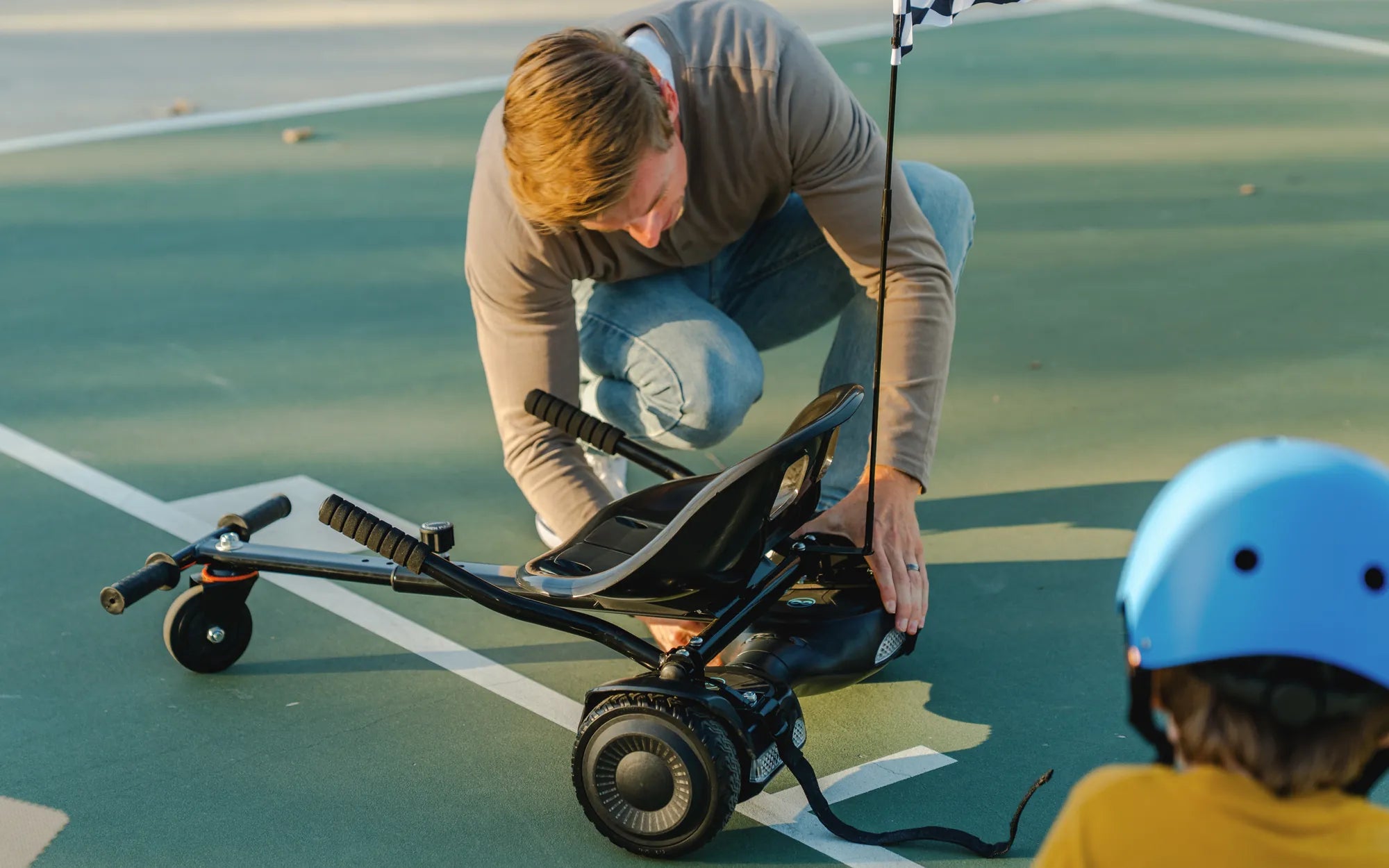
When it comes to kids' scooters, the wheels are the unsung heroes that determine how smooth, safe, and fun the ride will be. Whether your child is a beginner or a seasoned rider, understanding the ins and outs of kids scooter wheels can make all the difference. From materials to sizes and maintenance, this guide covers everything you need to know to make an informed choice.
Why Kids Scooter Wheels Matter
Kids scooter wheels are more than just round pieces of rubber or plastic—they are the foundation of a smooth and safe ride. The right wheels can enhance stability, speed, and durability, while the wrong ones can lead to accidents or a frustrating experience. For parents, knowing what to look for in scooter wheels is essential to ensure their child's safety and enjoyment.
Types of Kids Scooter Wheels
There are two primary types of wheels used in kids scooters: polyurethane (PU) wheels and plastic wheels. PU wheels are the most popular choice due to their durability, grip, and smooth ride. They are ideal for outdoor use on pavements and sidewalks. Plastic wheels, on the other hand, are lighter and cheaper but offer less traction and are better suited for indoor or very smooth surfaces.
Wheel Size and Its Impact
The size of kids scooter wheels plays a crucial role in performance. Smaller wheels (around 100mm) are great for younger kids as they provide better control and stability. Larger wheels (120mm or more) are better for older kids who want more speed and a smoother ride over rough surfaces. However, larger wheels may make the scooter slightly heavier, so it's important to find the right balance.
Wheel Hardness and Terrain
Wheel hardness, measured in durometer (A scale), affects how the scooter performs on different terrains. Softer wheels (78A-85A) offer better grip and shock absorption, making them ideal for rough or uneven surfaces. Harder wheels (88A-95A) are faster and more durable but may lack traction on slippery or bumpy roads. For most kids, a medium hardness (around 85A) strikes the perfect balance.
Maintenance Tips for Long-Lasting Wheels
To keep kids scooter wheels in top condition, regular maintenance is key. Check for wear and tear, especially if your child rides frequently. Rotate the wheels periodically to ensure even wear, and clean them to remove dirt and debris that can affect performance. If the wheels become too worn or damaged, replace them promptly to maintain safety.
Safety Considerations
Always prioritize safety when choosing kids scooter wheels. Ensure the wheels are compatible with the scooter's frame and brakes. Teach your child to avoid wet or slippery surfaces, as even the best wheels can lose traction. Additionally, pair the right wheels with proper safety gear like helmets and knee pads for a worry-free ride.
Choosing the perfect kids scooter wheels doesn't have to be overwhelming. With the right knowledge, you can ensure your child enjoys a smooth, safe, and thrilling ride every time they hop on their scooter. Ready to upgrade their ride? Start by picking the wheels that match their skill level and riding style!
Kids Kids Electric Scooter and Side Car: The Ultimate Fun Ride for Young Adventurers
Self-Balance Hoverboard Under $100: The Ultimate Budget-Friendly Ride